
[bsa_pro_ad_space id=14]
Researchers have developed the opposite to the world’s ‘blackest’ paint: the world’s whitest paint. It could soon be coming to a car near you.


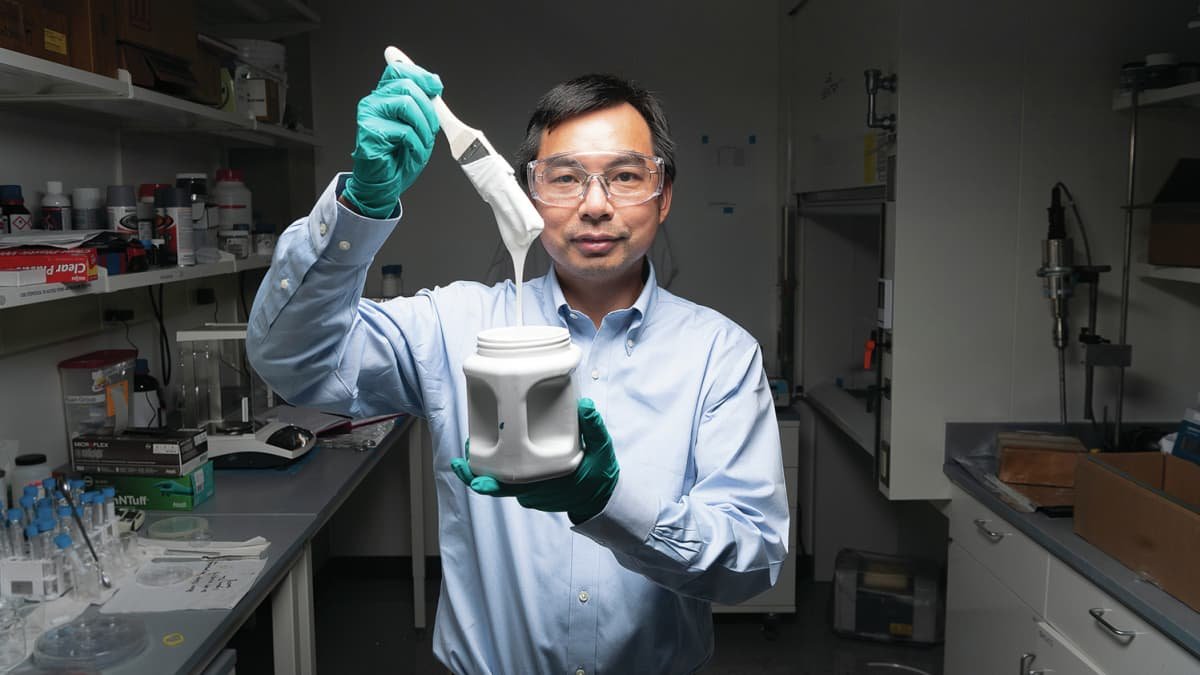
A team of US-based engineers has created what is dubbed the ‘world’s whitest paint’ – which is claimed to help curb global warming, and it could be ideal for radiating heat away from cars, trains, and aircraft on hot days.
Researchers from Purdue University in Indiana – who developed the ultra-white paint formulation – say it can reflect up to 98 per cent of sunlight, and can keep surfaces so cool that it could reduce the need for air-conditioning.
Two versions of the special paint have been developed – including one that only needs a single, 150-micron layer, and is claimed to be able to reflect up to 97.9 per cent of light.
It is the opposite to Vantablack, a paint formula developed by researchers in the UK – and displayed on a BMW X6 SUV in 2019 – that is claimed to absorb up to 99 per cent of light that hits it.
The other paint formula developed by the US researchers uses a barium sulfate compound that can reflect up to 98.1 per cent of visible light, but is nearly three times as thick, limiting its real-world applications.
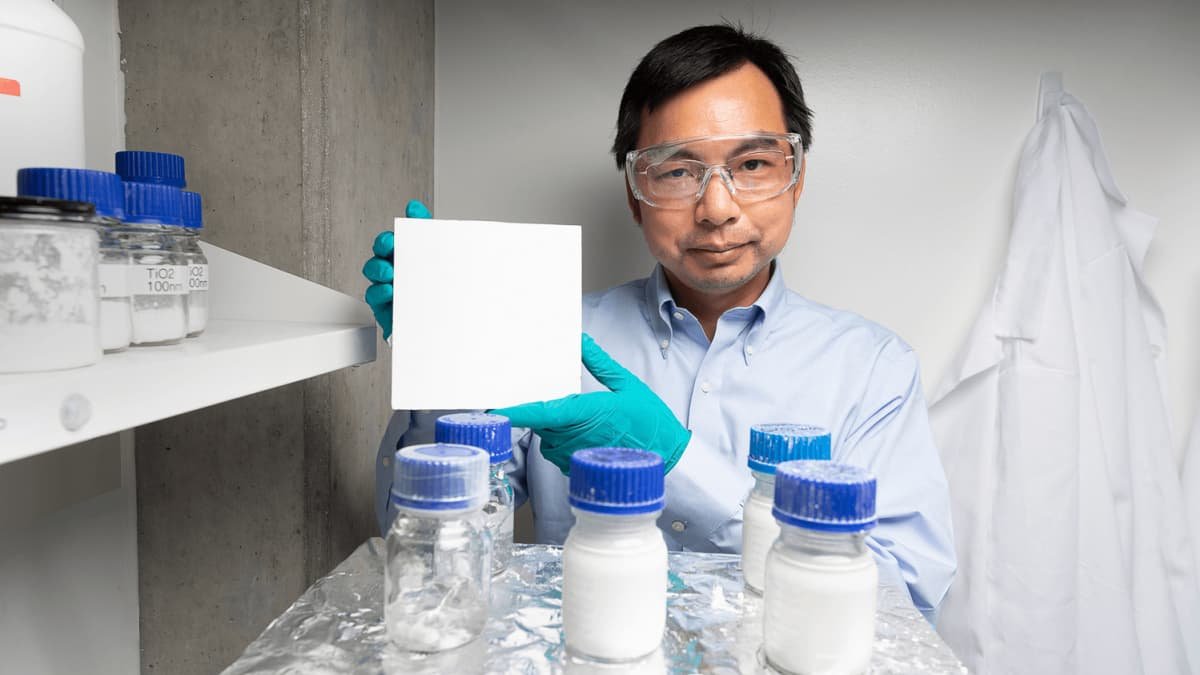
“To achieve this level of radiative cooling below the ambient temperature, we had to apply a layer of paint at least 400 microns thick,” lead researcher Xiulin Ruan said in a media statement.
“That’s fine if you’re painting a robust stationary structure like the roof of a building. But in applications that have precise size and weight requirements, the paint needs to be thinner and lighter.”
The less effective but thinner version developed by Mr Ruan’s team is a ‘nanoporous’ paint which incorporates hexagonal boron nitride – a substance used frequently in lubricants.
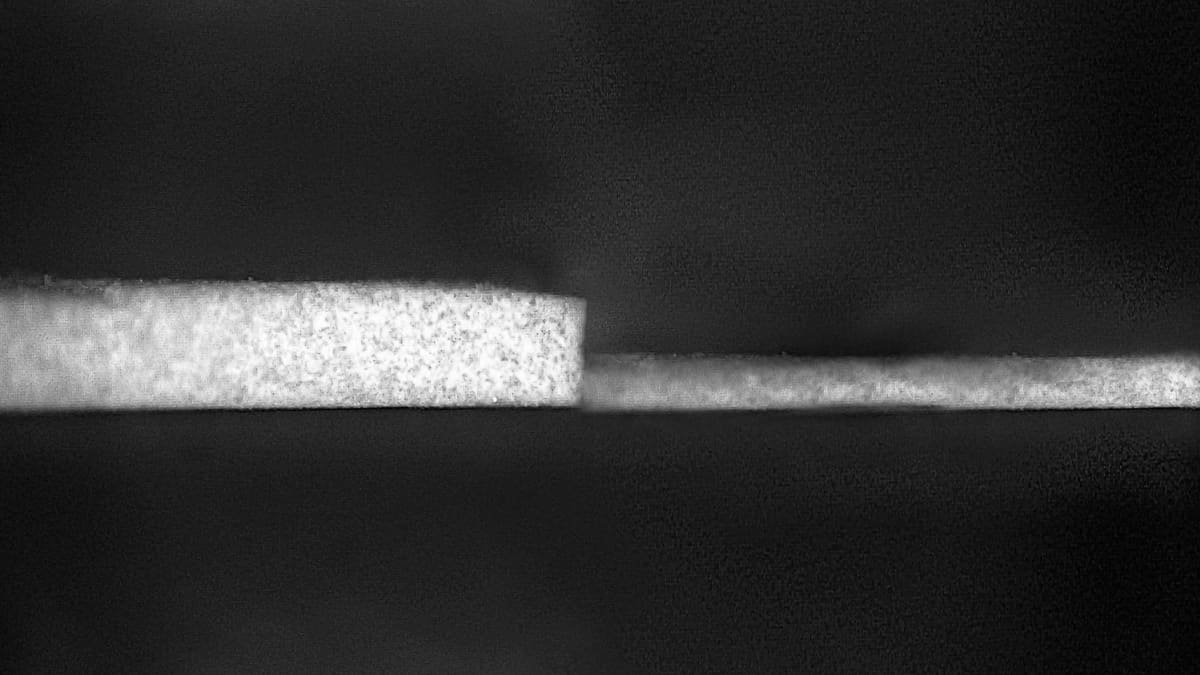
This formulation achieves almost the same level of light reflectance – up to 97.9 per cent – with just a single 150-micron layer of paint. It also weighs a claimed 80 per cent less than the original paint.
The paint’s ‘whiteness’ means it can cool surfaces lower than the ambient air temperature.
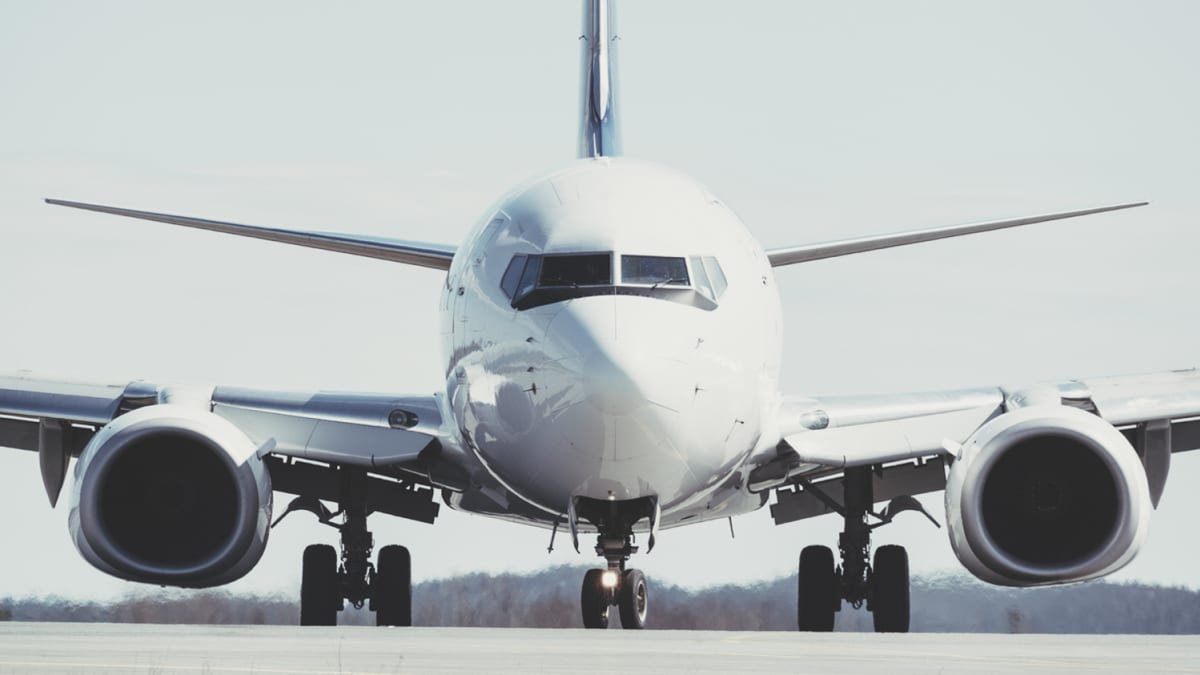
“Now this paint has the potential to cool the exteriors of aircraft, cars or trains. An aircraft sitting on the tarmac on a hot summer day won’t have to run its air conditioning as hard to cool the inside, saving large amounts of energy,” said associate researcher George Chiu in a media statement.
The researchers said in a media announcement there remain roadblocks before the paint can be commercialised, however they are reportedly already in discussions with other companies to put the technology into production.
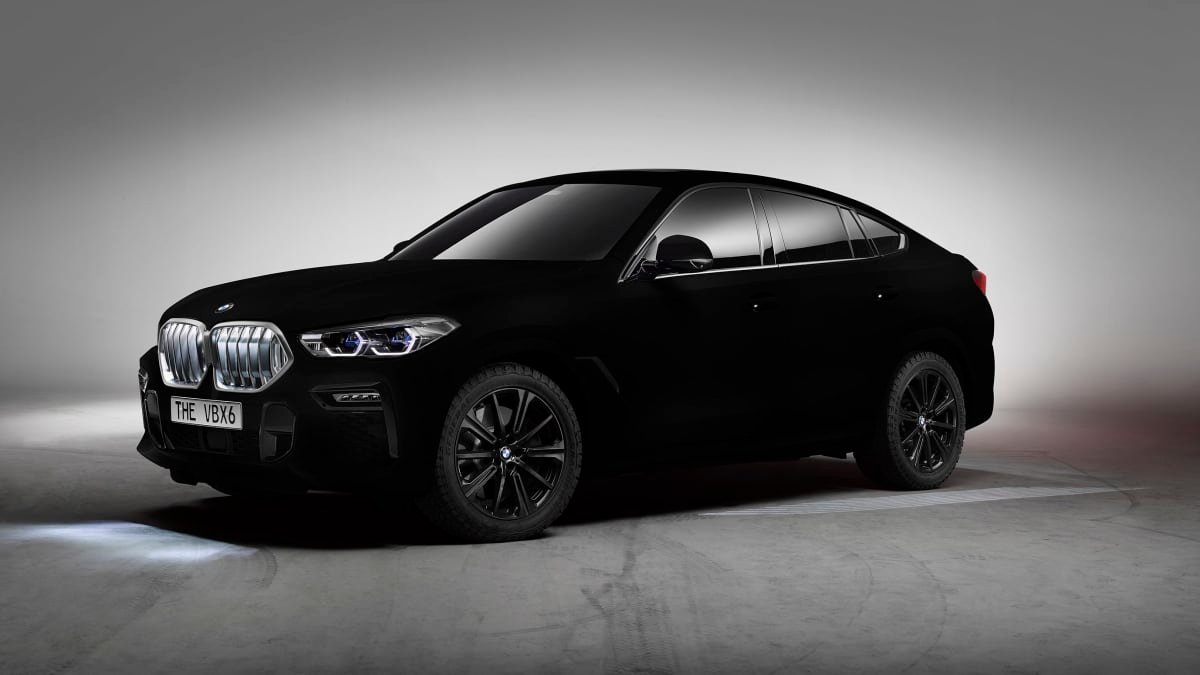
BMW X6 in ‘world’s blackest black’ coming to Frankfurt
The opposite of this white paint – Vantablack – was developed in the UK and has already seen use on cars, albeit on a small scale.
“This not only saves money, but it reduces energy usage, which in turn reduces greenhouse gas emissions. Unlike other cooling methods, this paint radiates all the heat into deep space, which also directly cools down our planet,” Mr Ruan said in a media statement.
As part of the Drive content team, Tom covers automotive news, car reviews, advice, and holds a special interest in long-form feature stories.
He understands that every car buyer is unique and has varying requirements when it comes to buying a new car, but equally, there’s also a loyal subset of Drive audience that loves entertaining enthusiast content.
Tom holds a deep respect for all things automotive no matter the model, priding himself on noticing the subtle things that make each car tick. Not a day goes by that he doesn’t learn something new in an everchanging industry, which is then imparted to the Drive reader base.
Read more about Tom Fraser
[bsa_pro_ad_space id=15]