
[bsa_pro_ad_space id=14]
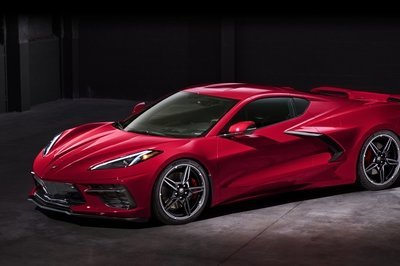
Chevrolet really got people talking with the location of the engine in the new C8 Corvette Stingray. The fact that the car is mid-engined made headlines, as did the slew of advantages this new configuration brings. There are plenty of upsides to a mid-mounted engine, but in spite of all that, some people aren’t thrilled by the new Corvette and they say they would have preferred if Chevrolet had kept it front-engined, in-keeping with tradition.
It seems that the people who share this view all agree that the Corvette nameplate is synonymous with the FR layout. Some go on to argue that the C7 was already mid-engined (well, front-mid-engined, anyway) and that there was no need to radically change the formula, just find ways to improve upon what was there.
Chevy, on the other hand, says it had just about reached the upper limit of what it could do with the front-engined Corvette, on top of the fact that there had been talks about shifting the Corvette to a mid-engined layout for decades. The automaker is adamant it made the right decision and that the mid-engined C8 is a better car than a front-engined C8 could ever have been.
And, it still looks distinctly Corvette-esque, even though its proportions might seem off due to the new layout. This essentially means that the C8 will probably still appeal to most existing Corvette fans, but at the same time, attract new buyers that may have been looking to buy something similar but far more exclusive and expensive. Is this the Corvette that will put a dent in Ferrari, Lamborghini, or McLaren’s sales? Probably not, but it will definitely affect the AMG GT, Porsche Cayman, 911, BMW Motorsport, and Audi RS and R8 sales, though, as well as the second-hand supercar market too.
Only time will tell just how big its impact will be, but while we wait, we can still imagine what a front-engined C8 Corvette Stingray may have looked like.
[bsa_pro_ad_space id=15]