
[bsa_pro_ad_space id=14]
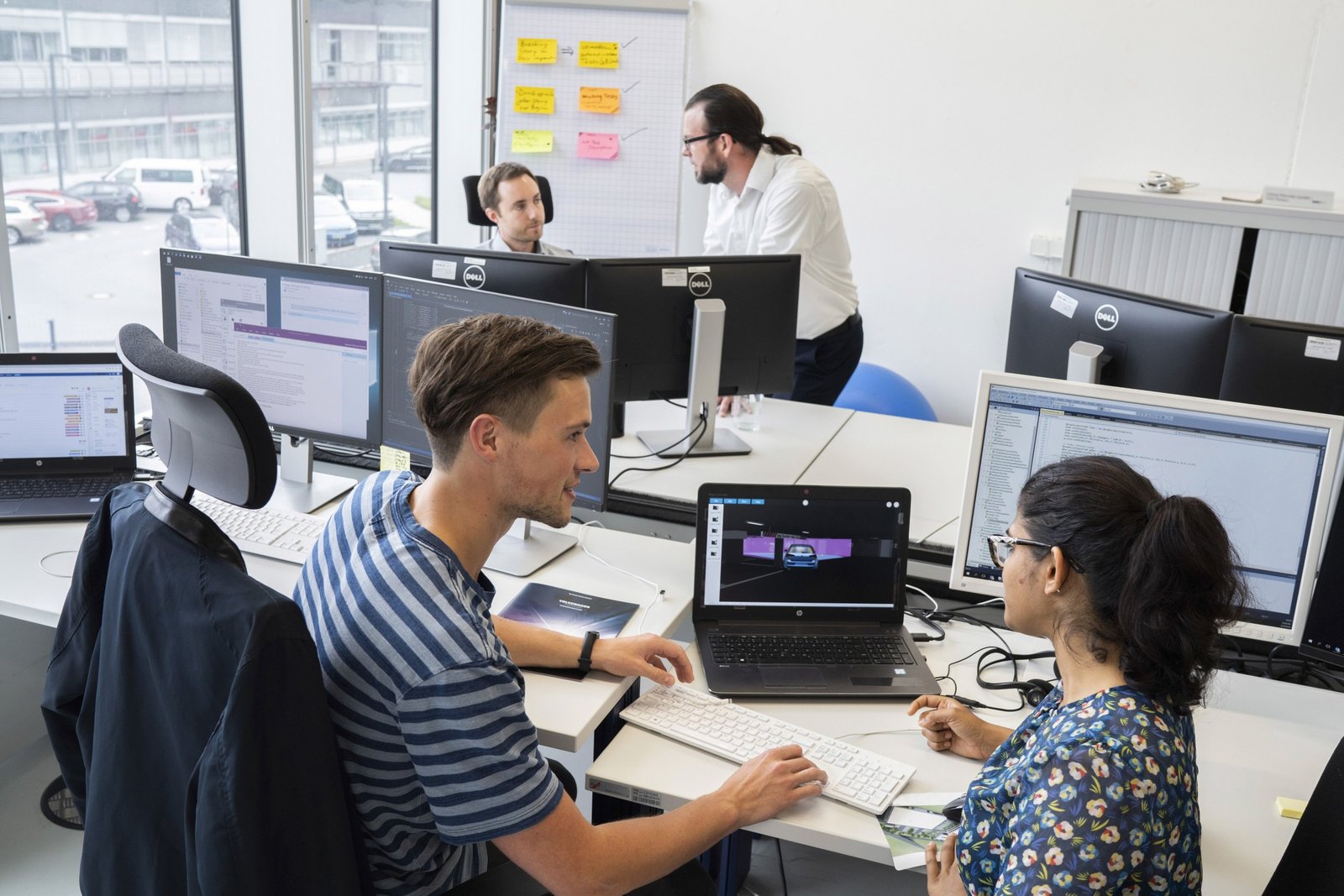
Volkswagen breaks new ground with its foray into the virtual world as an avenue to test its new driver assistance systems faster while also reducing expenses. Is it a double-edged sword, though?
As automakers worldwide make leaps and bounds towards a brave new world of automation, green energy and efficiency, German manufacturer Volkswagen set about trying a new way of testing its driver assistance systems that will be part of the new I.D. lineup of vehicles. Lengthy real-world tests where prototypes are taken out on the open road or on test facilities will be a thing of the past, thinks Volkswagen, who wants to replace all of that with virtual simulations. They should, in theory, be programmed to feature as many scenarios as needed to get the systems through their testing phases.
The process to move testing from the real-world to a computer-generated virtual one is complicated, but Volkswagen is already trying out the idea with virtual parking simulations where all the parameters can be altered to suit the needs of those conducting the experiments. This all sounds great, but can computer-generated simulations, regardless of computing power and intricacy, really provide the same randomness that actual testing on the open road gives? Will cars that go on sale with systems that went through virtual testing be as well prepared as those that had a bigger chunk of their testing done on the roads? Volkswagen did not officially say they plan to eliminate real testing from the procedure of introducing new driving assistance systems, so we have to wait and see.
Read on to learn more about Volkswagen’s new virtual testing and more
[bsa_pro_ad_space id=15]