
[bsa_pro_ad_space id=14]
Australia’s east coast is preparing for another wet week, and safety authorities have fresh warnings about not driving through flooded roads. Watch how little water can render your car inoperable.

 0
0This video compilation, of Rufford Ford in the United Kingdom, is something every driver should watch. Note how little water is needed, and how quickly cars become stranded – including some that you would expect to drive straight through…
More rain and potential flooding on the east coast of Australia has prompted calls for Australian motorists to be prepared as they hit the road over the school-holiday break.
Last week, a five-year-old boy died near the NSW town of Tullamore – six hours west of Sydney – after the vehicle he was travelling in was swept away after attempting to drive through a flooded road.
While large off-roaders have plenty of ground clearance, often much of the roadway is washed away in the flood – making it deeper than normal – and the current so strong it pulls the vehicle downstream.
The latest fatality came at the start of school holidays, prompting the State Emergency Service (SES) to reiterate calls for motorists to plan their trips and be aware of where they’re driving when it’s wet.
“We are asking people, particularly with the school holidays, to prepare their route, (and) know where they’re going ahead of time … and if they are camping on the side of a river, to really be aware of their surroundings,” SES Assistant Commissioner Nicole Hogan told ABC television, via The Canberra Times.
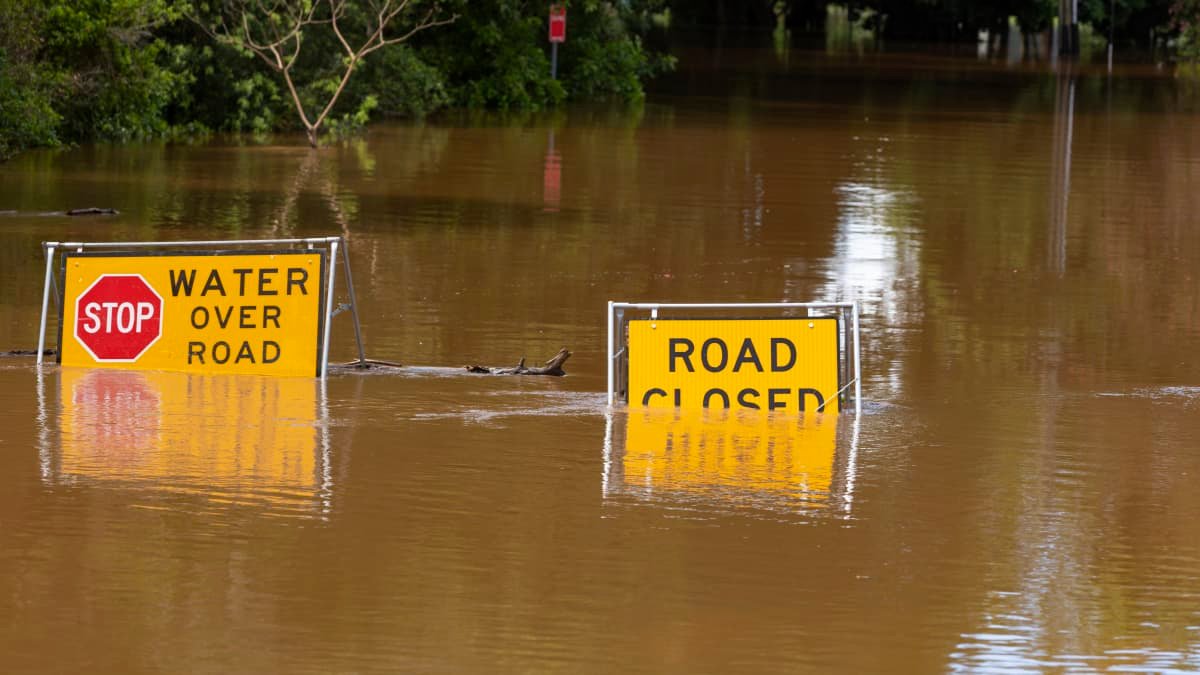
Throughout the past two weeks, the State Emergency Service (SES) has responded to 825 calls for assistance and 59 flood rescues in New South Wales alone.
Bureau Of Meteorology forecaster Stephen Stefanac told ABC Radio the east coast of Australia is due for a drenching.
At the start of the downpour, towns in the north-west of New South Wales such as Warren and Wee Waa were cut off by road, while flooding in Gunnedah has started to recede.
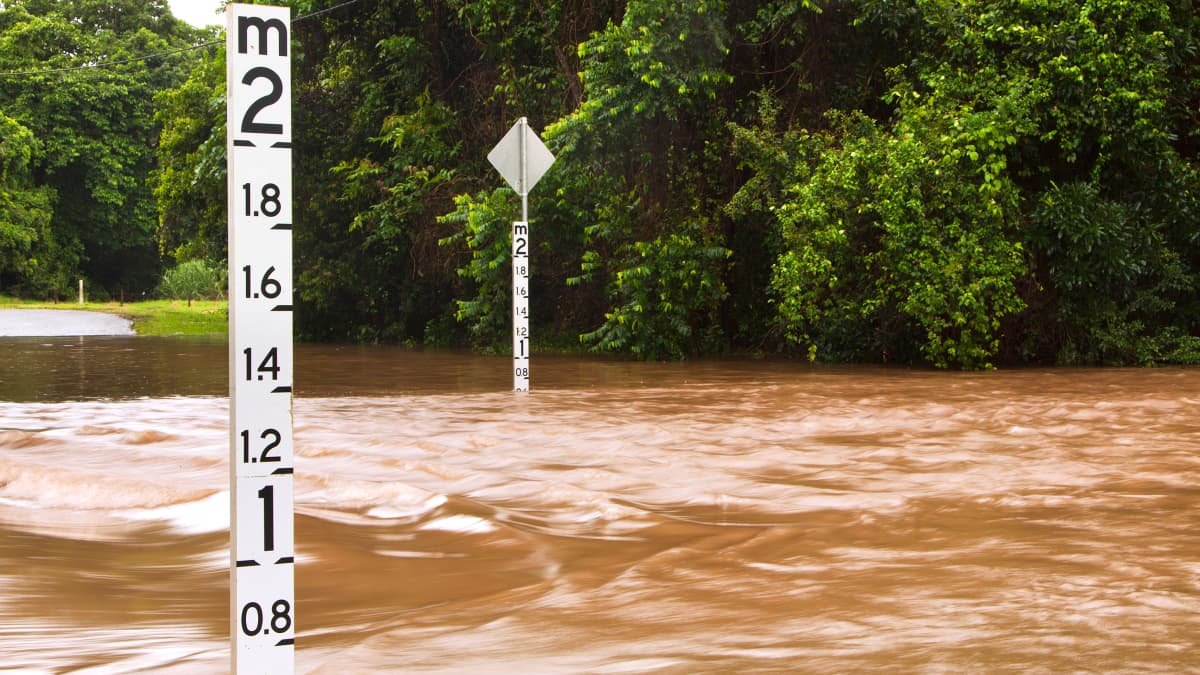
As previously reported, a 2016 study by the University of New South Wales found that even a two-tonne Nissan Patrol could become unstable in 45cm of water before floating when the water level reached 95cm – in a swimming pool (as tested), let alone a waterway with a fast-flowing current.
Running the same tests on a Toyota Yaris, the hatchback was unstable in only 15cm of water, moving at one metre per second.
Even low-lying flood waters can kill a car’s engine and leave you stranded, forcing occupants to bail out and risk injury or putting already busy rescuers in harm’s way.
Still not convinced driving in flood waters is a poor idea?
Watch the below video to see a compilation of some very expensive examples of what not to do.

Read more about Jordan Mulach
[bsa_pro_ad_space id=15]