
[bsa_pro_ad_space id=14]
Diesel passenger cars and small SUVs have fallen out of favour with Australians over the last 15 years – but large SUVs, 4WDs, utes and vans are keeping the fuel’s flame alive.

 0
0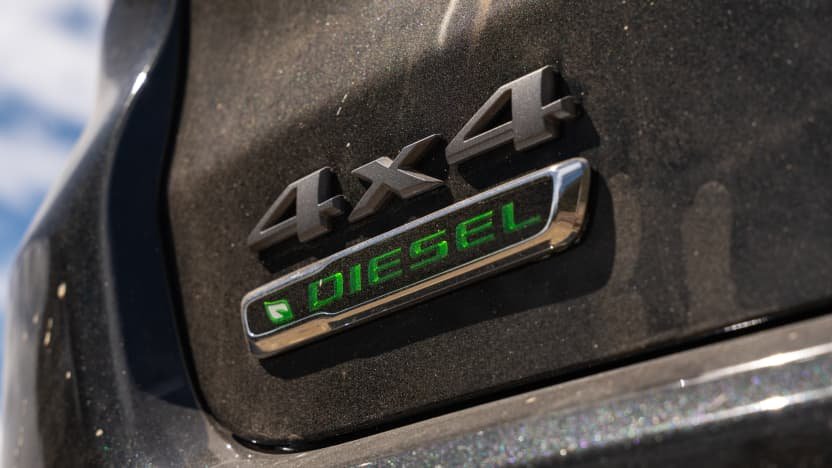
Introduced to the passenger car market in the 1960s, Australians’ relationship with diesel has been one of highs and lows.
Diesel has long been the fuel of choice among four-wheel drives and commercial vehicles – but among passenger cars and family SUVs, its popularity has surged and subsided in recent decades, as petrol engine efficiency improves, and hybrid and electric cars grow in popularity.
In 2006, just 2.6 per cent of all passenger cars sold accepted diesel fuel, compared to 21 per cent of SUVs – figures which hit highs of 8.0 per cent for passenger cars in 2011, and 38.9 per cent of SUVs in 2012.
But today, only 4.2 per cent of new passenger cars sold so far this year have been powered by diesel, while the fuel accounts for 21.6 per cent of SUV sales – albeit up compared to 3.3 and 19.9 per cent respective shares in 2021.
Diesel is still king among light commercial vehicles – accounting for 92.3 per cent of utes and vans sold so far in 2022, up from 48.7 per cent in 2006 – but (almost) everywhere else, it’s in decline.
Slowing sales have seen the number of diesel cars left on sale fall, too. BMW and Audi are the last car makers to offer diesel engines in passenger cars – at any price – while the top-selling Toyota RAV4 swapped its diesel option for a petrol-electric hybrid in 2019.
Let’s take a look at the new diesel cars, SUVs and light commercial vehicles you can still buy – and how many consumers still do.
Note: The percentage figures for sales mix included below apply to the first five months of 2022, unless otherwise stated. Stock shortages and production delays mean they can be reflective of supply, rather than pure customer demand.
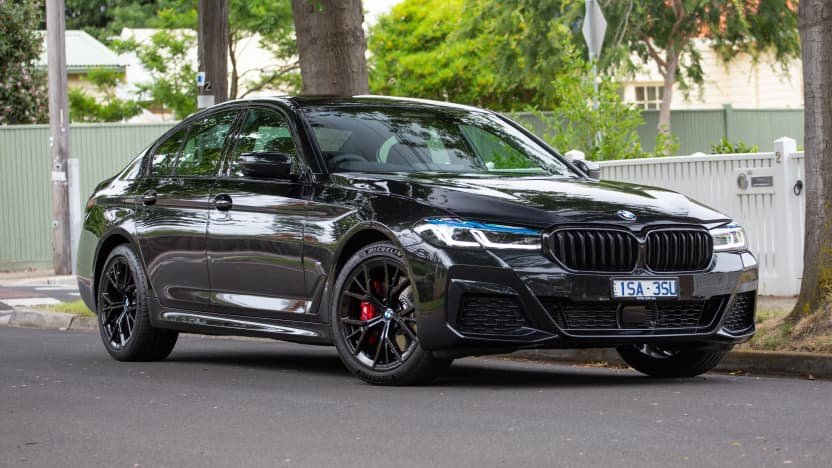
Of Australia’s three vehicle types, it’s passenger cars which have experienced the sharpest decline in the popularity of diesel.
A diesel engine can no longer be had in a hatchback – and it’s only offered in sedans and wagons by two brands, BMW and Audi.
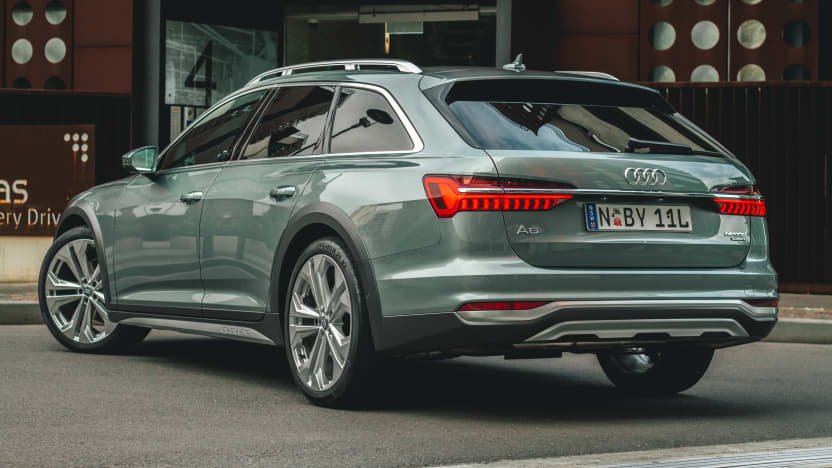
Audi offers diesel Allroad wagon versions of the A4 and A6 – which account for two and 11 per cent of each model’s sales respectively since the start of 2021 – as well as the A8 sedan, accounting for a clean 50 per cent of sales.
Meanwhile, 31 per cent of BMW 5 Series large cars sold so far this year have been 530d diesels – assisted by fleet contracts with NSW and Victoria Police – while 11 per cent of outgoing 7 Series flagships over the same period are 730d diesels.
So far in 2022, diesel has accounted for 73 per cent of Hyundai Staria sales, 5.6 per cent of LDV G10 sales, and 90 per cent of Kia Carnival sales – though the latter is shaped by supply, as diesel has typically accounted for less than 50 per cent of Carnival sales.
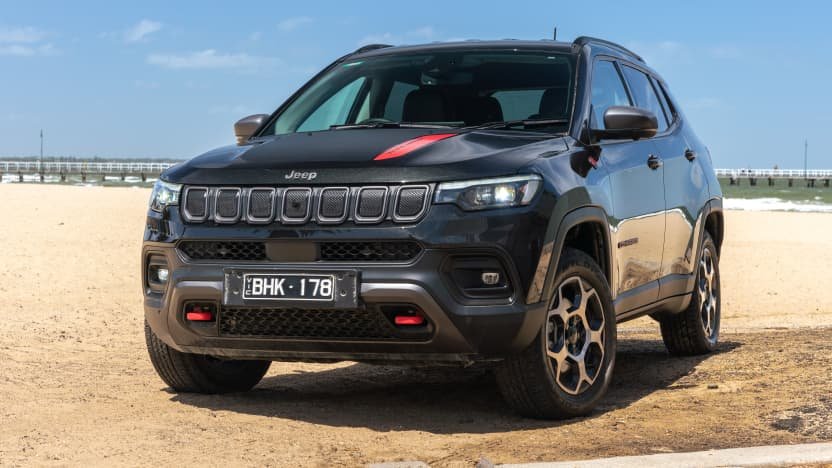
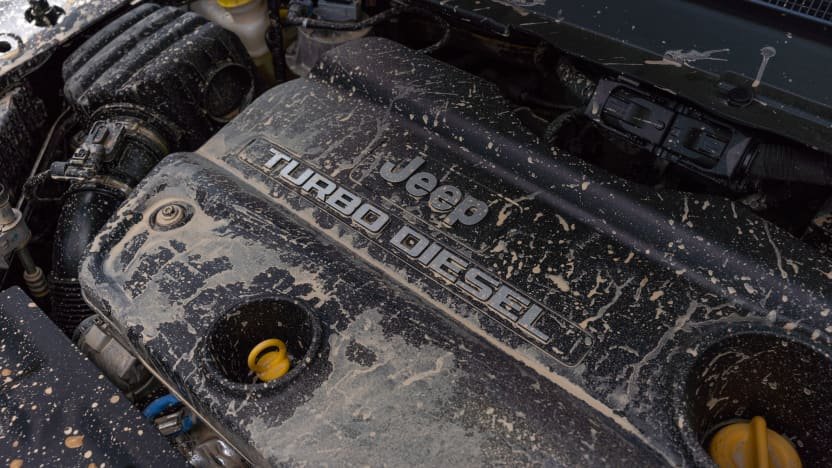
Only two small SUVs can be had with diesel engines: the Jeep Compass in Trailhawk form, and the outgoing BMW X1, only three per cent of which sold this year have been sDrive18d diesels. The new X1 due later this year won’t offer a diesel option.
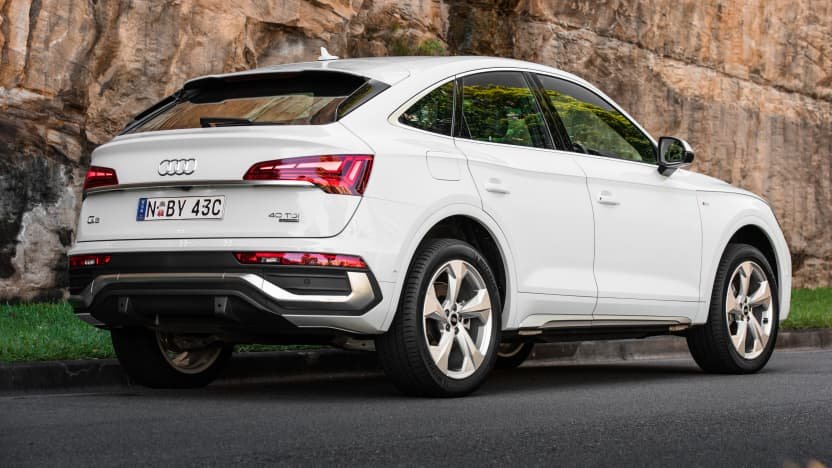
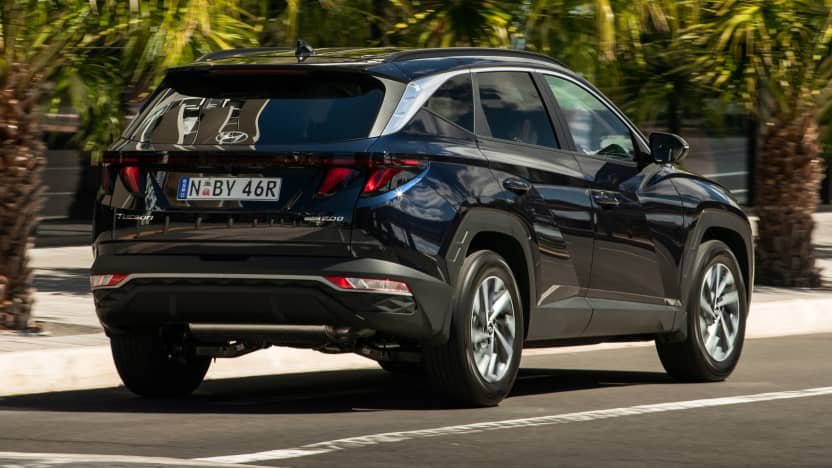
With luxury branding, diesel accounts for four per cent of BMW X3 sales, and 8.4 per cent of Genesis GV70 sales – but a more significant 47 per cent of Audi Q5 sales since the start of 2021, with the SQ5 TDI representing 14 per cent of the total alone. All Alpina XD3s are diesels.
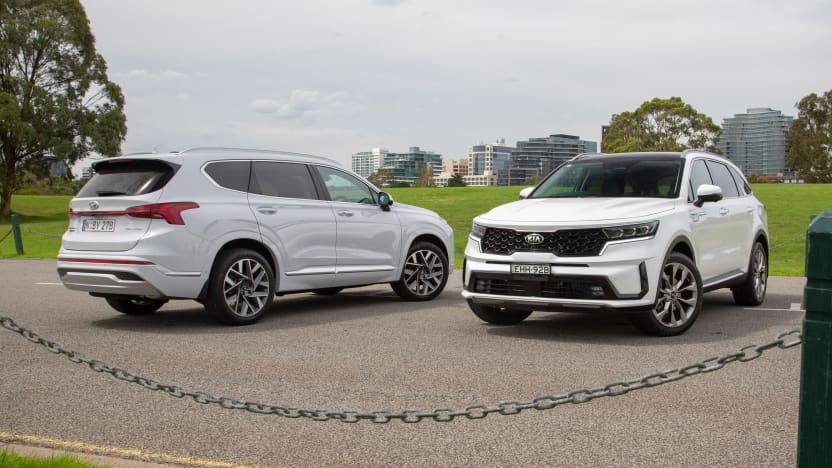
Diesel is also available in the Mercedes-Benz G-Class – but has not accounted for a single delivery in 2022, as Mercedes focuses on clearing backorders for the AMG G63 flagship.
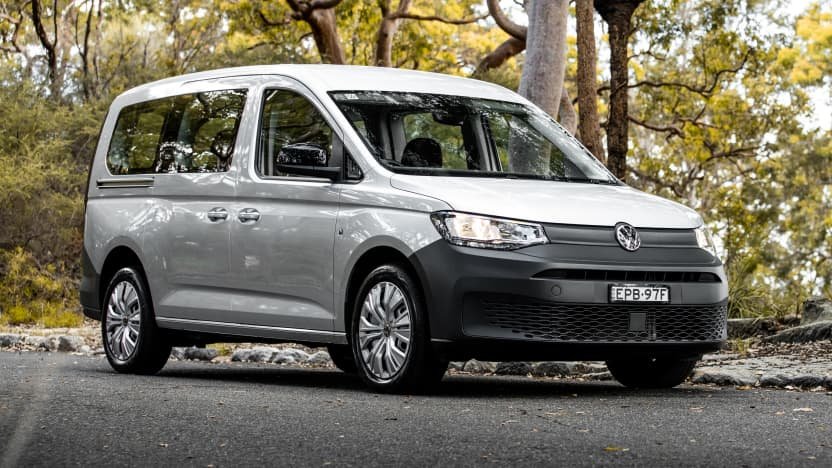
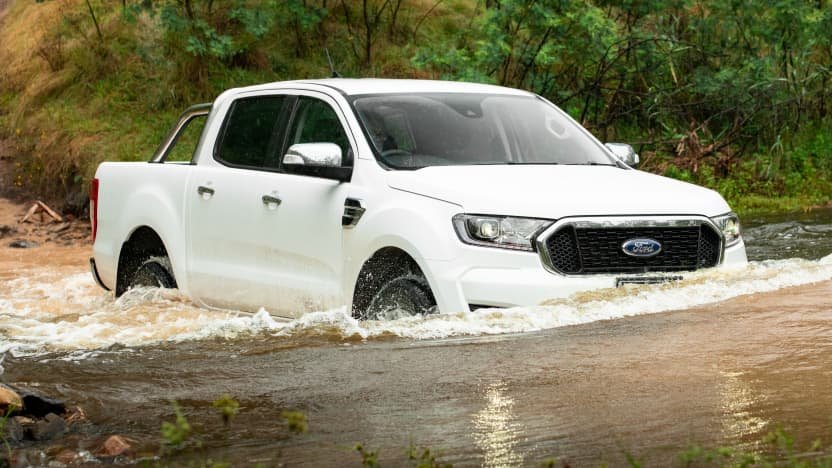
Diesel power dominates in utes and vans, with only a few versions – usually fleet-focused base grades – of certain models even offering the choice of petrol engines.
The only mid-size utes offering a choice between petrol and diesel power are the Mitsubishi Triton and Toyota HiLux – though petrol is only available on the base ‘traffic controller’ model, and only represents one per cent of Triton sales, or a higher-than-expected 18 per cent of HiLux sales.
Full-size US pick-ups offer petrol power more readily – though only on the ‘1500’ versions, with the heavy-duty ‘2500’ and ‘3500’ models usually sticking to diesel. The heavy-duty models represent 13 per cent of Ram sales, or 26 per cent of Chevrolet Silverados.
Only three vans of any size can be had without a diesel engine – the LDV G10, Renault Kangoo and Volkswagen Caddy. Whereas diesel represents 92 per cent of G10 sales, it only accounts for 27 per cent of Kangoos.
Cars have played a central role throughout Alex’s life, from flicking through car magazines as a young age, to growing up around performance vehicles in a car-loving family.
Read more about Alex Misoyannis 
[bsa_pro_ad_space id=15]