
[bsa_pro_ad_space id=14]
As supply chains and manufacturing processes become increasingly complex, new car delays are inevitable from time to time – however, some manufacturers are straggling more than others.


The old adage ‘underpromise and overdeliver’ appears to be increasingly irrelevant in the automotive world – particularly when it comes to prestige performance cars and ambitious electric projects.
While manufacturers would once do research and development to work out what was feasible before announcing product plans to the press, many seemingly now conduct this process in reverse.
Here are some of the models which have sat idling for far too long.
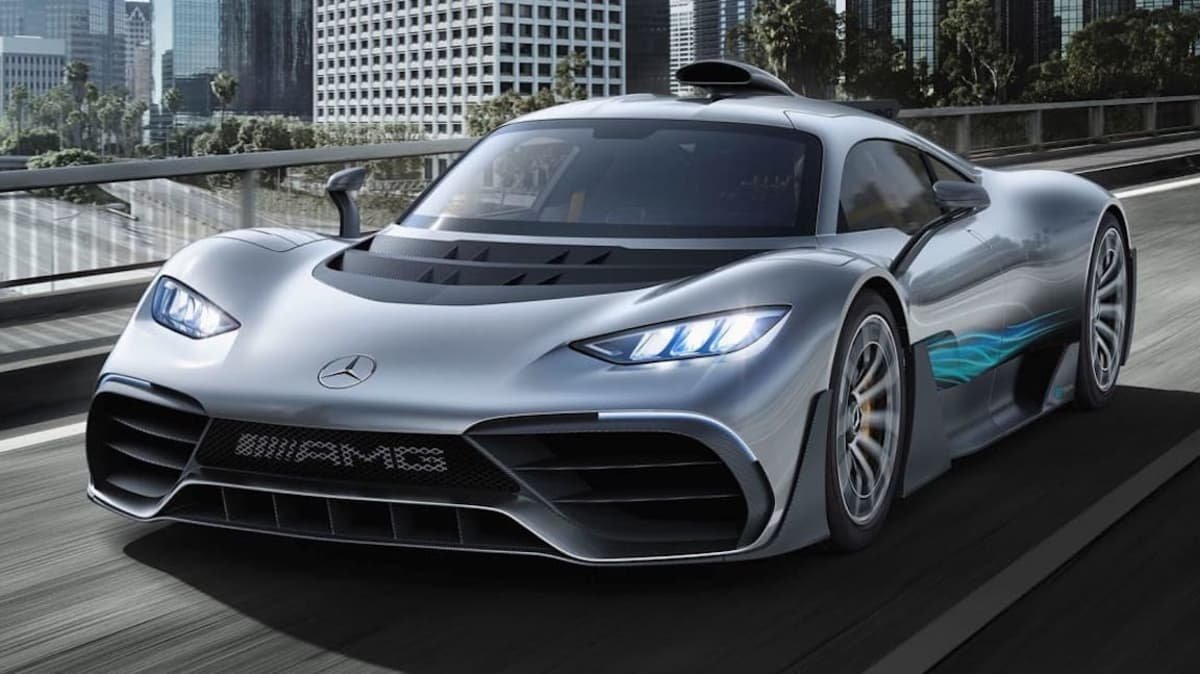
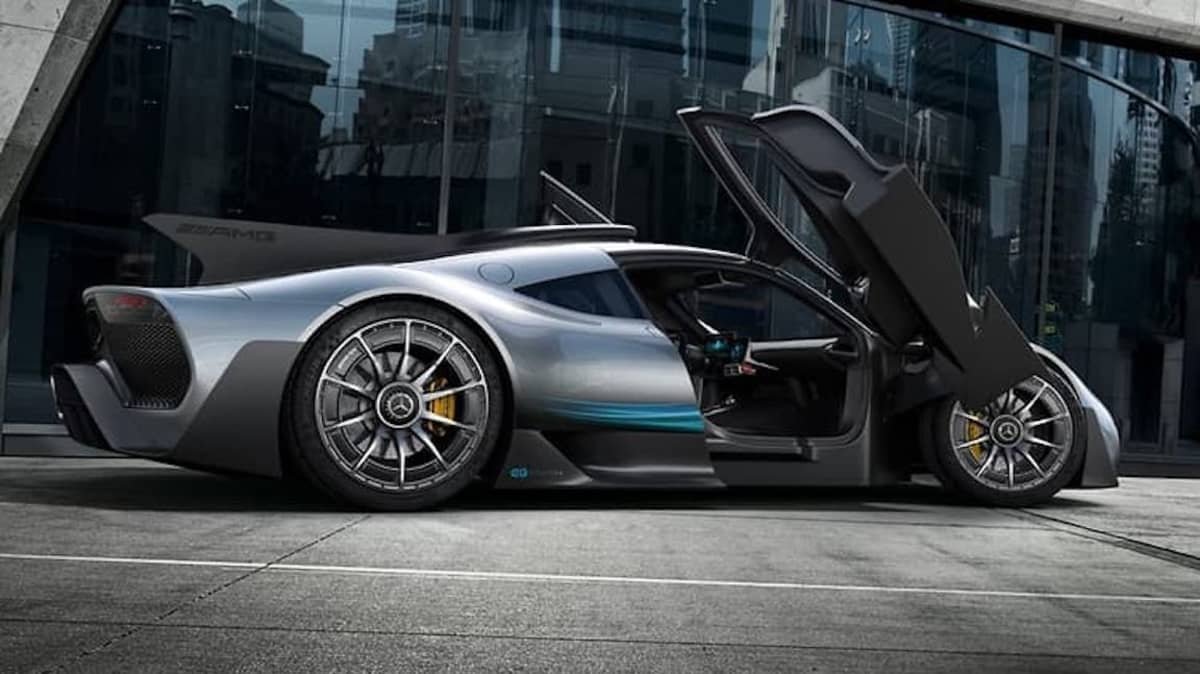
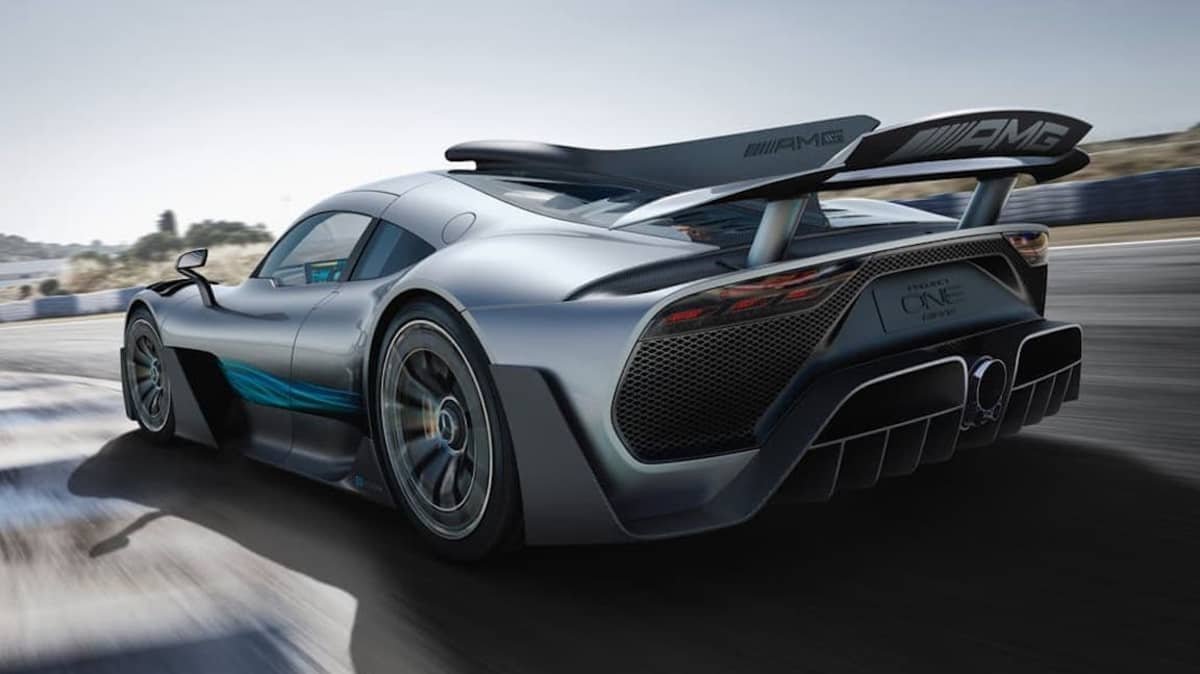
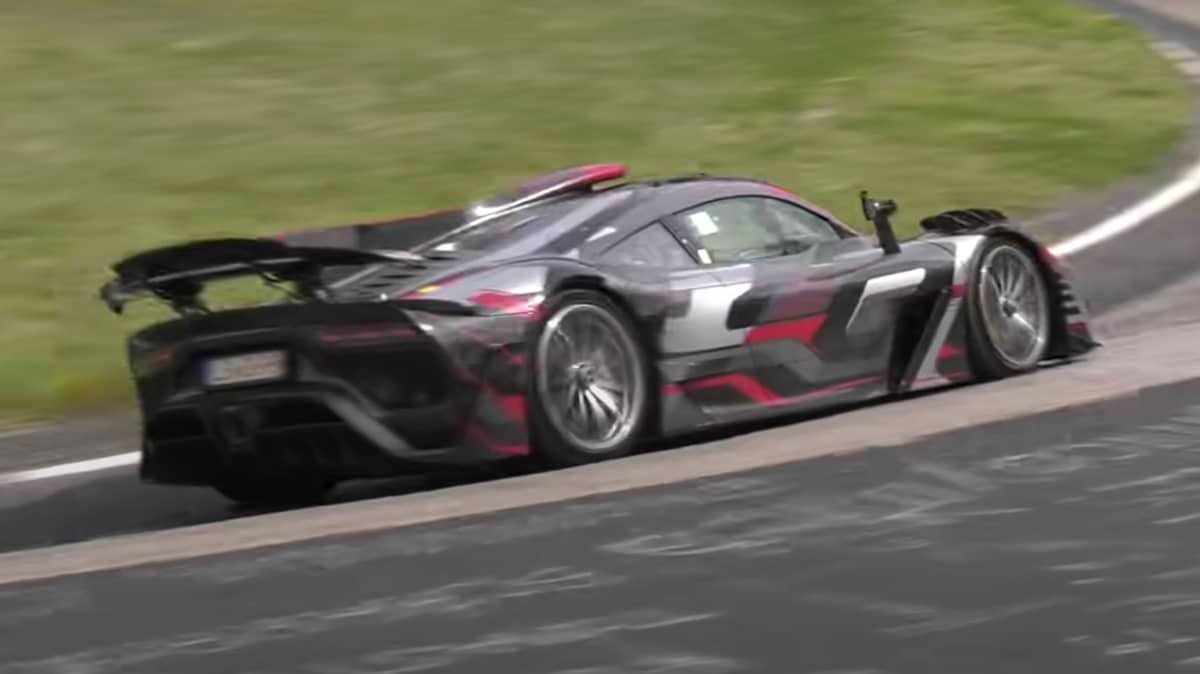
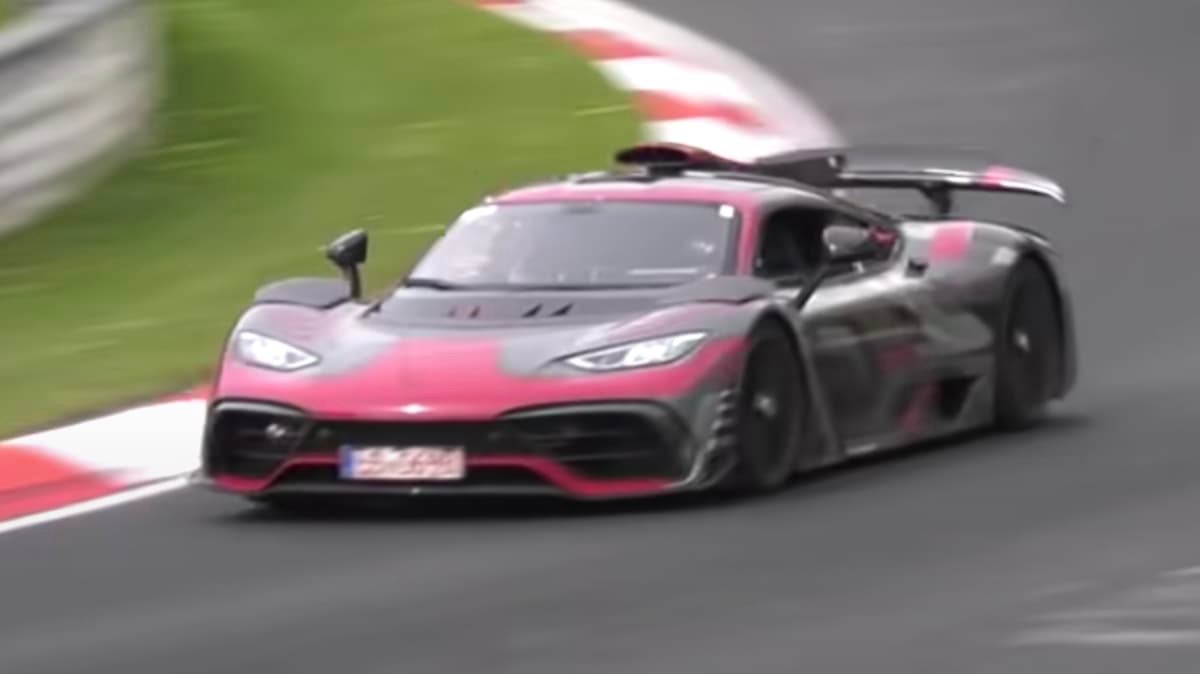
Mercedes-AMG began taking deposits for the low-slung coupe almost immediately, and initially claimed it was on course to deliver customer examples before the end of 2019.
From the outset, the German performance manufacturer – which was coming off the back of three Formula One World Constructors’ Championships using the same engines – pitched its new flagship as the most advanced and capable road-going vehicle ever built.
However, adapting a highly-specialised racing power unit to the varying demands of the daily commute, and keeping it cool at a low 1000rpm idle speed (rather than the 6000rpm of the F1 car) proved a formidable engineering challenge.
Mercedes-AMG attempted to keep its increasingly-frustrated customers – including at least eight in Australia – happy with F1-inspired variants of its other models, and now says the ‘One’ (sans Project) will go into production later this year (2022).
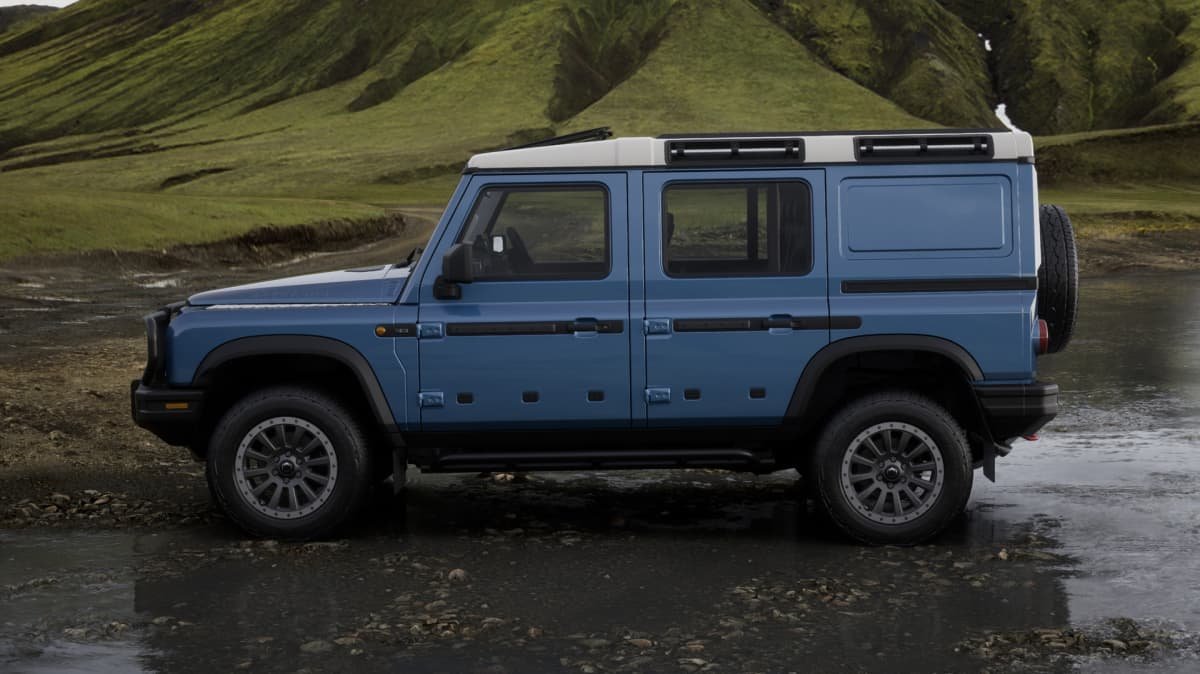
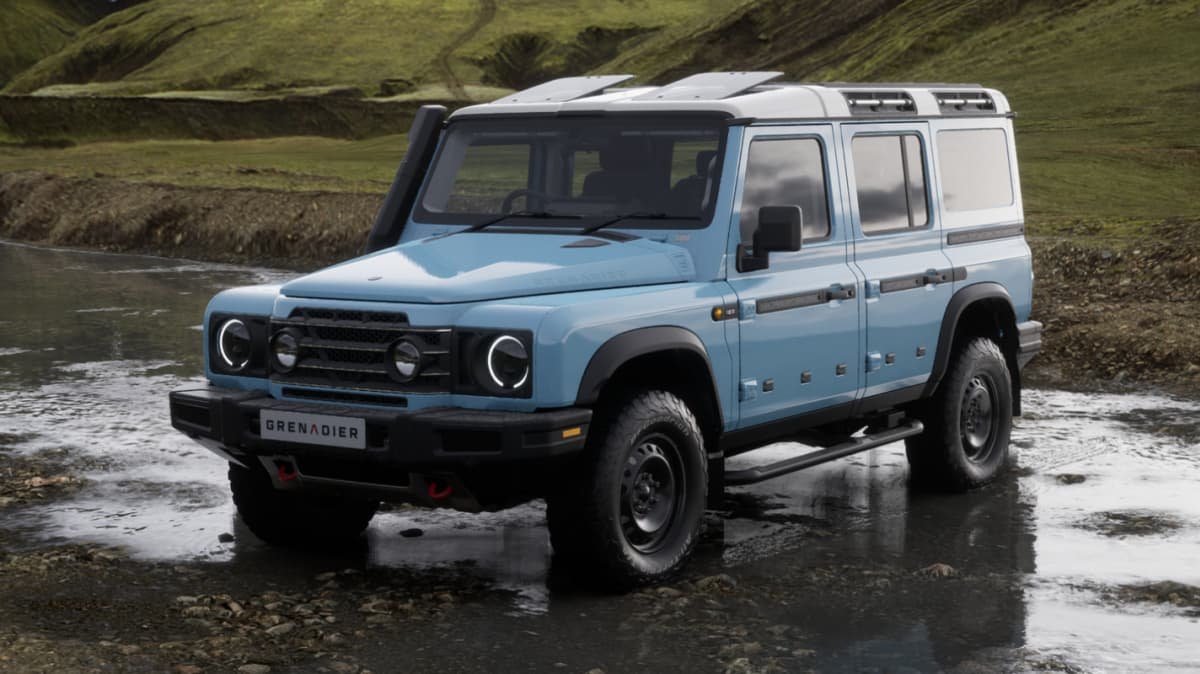
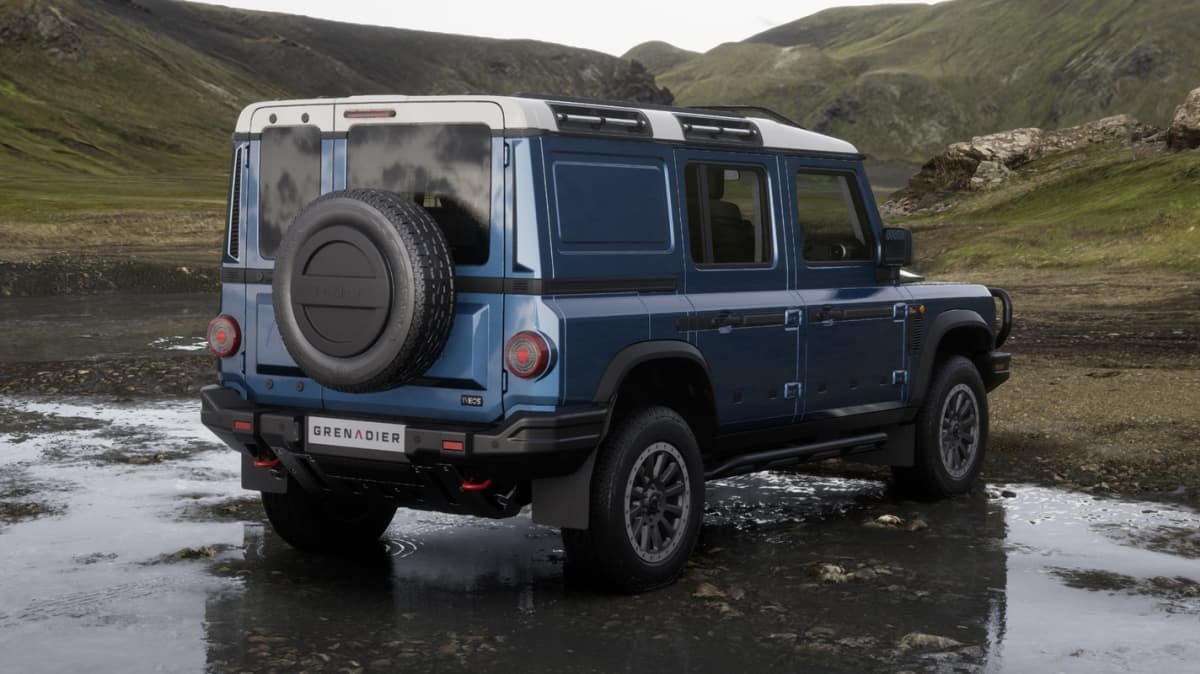
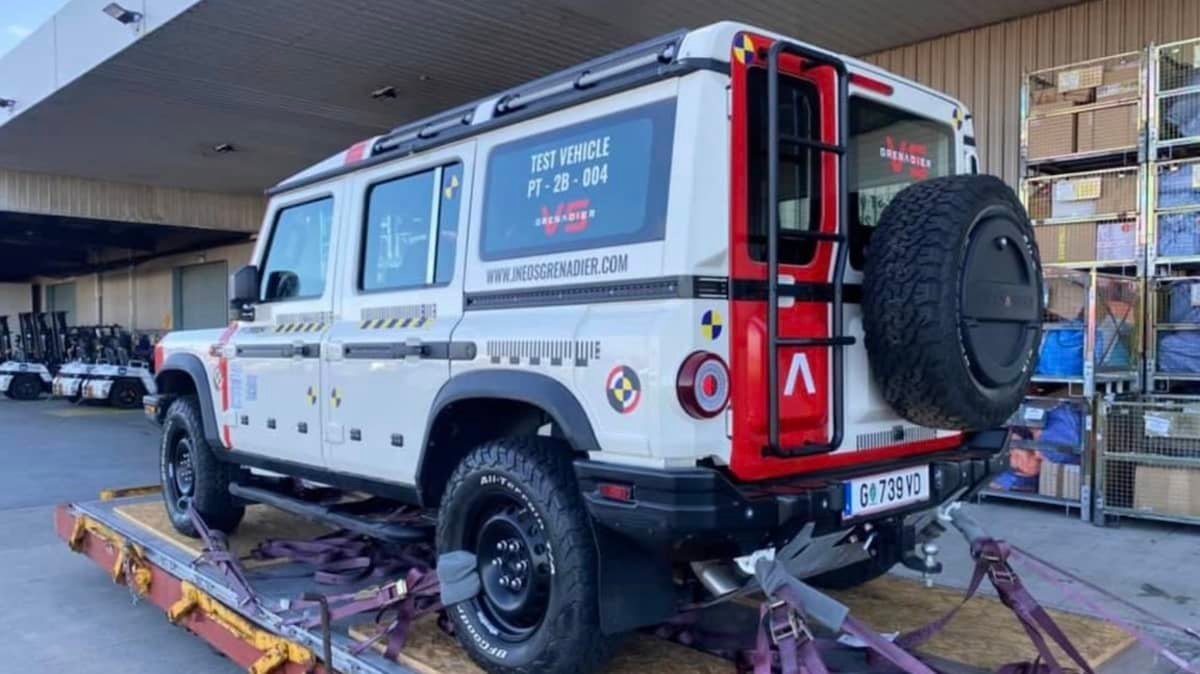
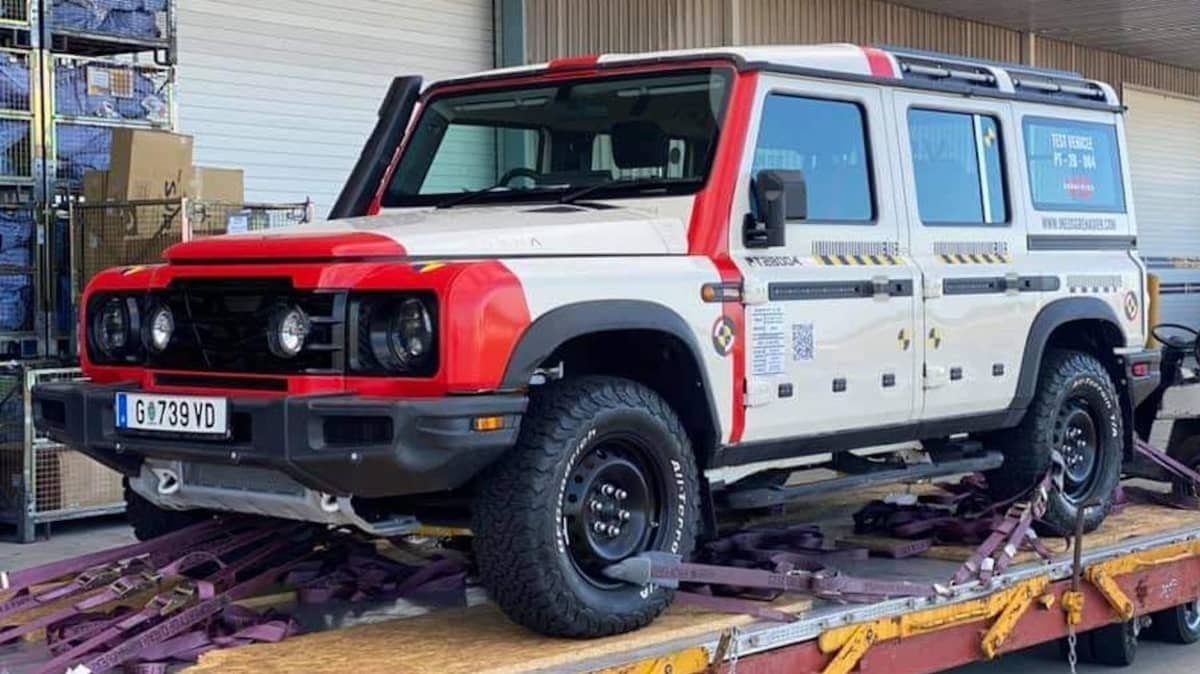
At the time, its design team said the retro off-roader would hit showrooms and dirt roads before the end of 2021 – however, that did not come to fruition.
Pitched to customers at launch as a “last-of-its-kind” chassis-based 4×4 and uniquely-tough tourer, the Ineos Grenadier quickly attracted widespread public and media interest.
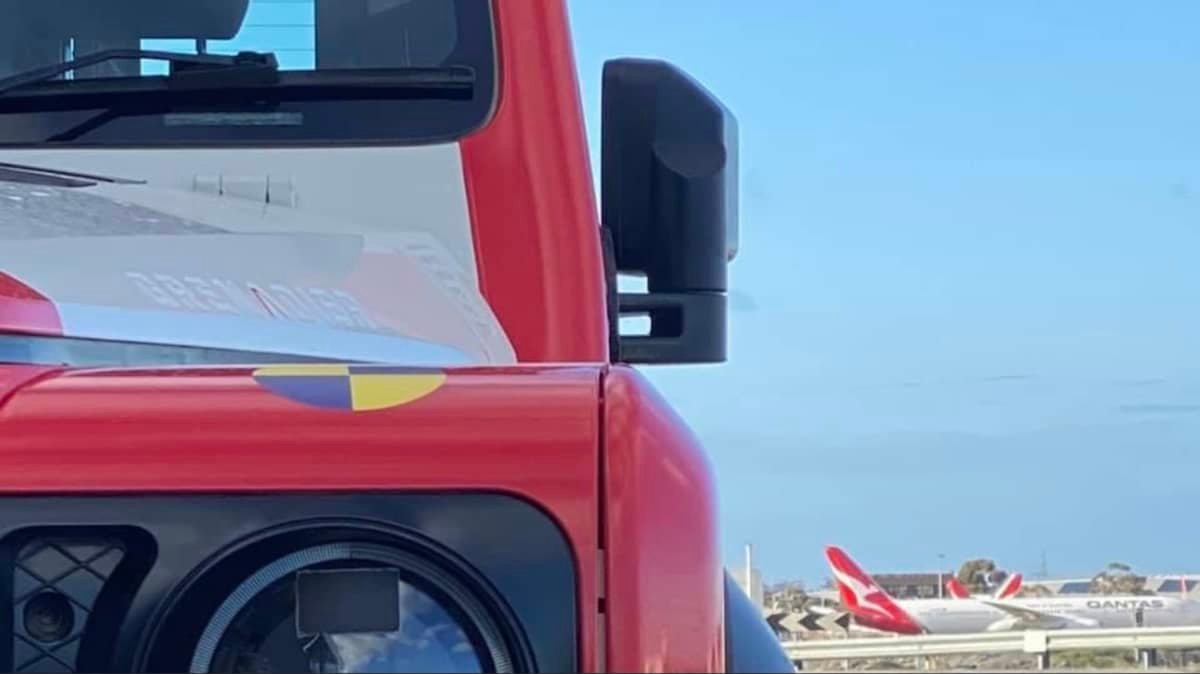
The vehicle conducted testing and promotional photoshoots around the globe – including in Australia (shown below) – throughout much of 2021, and, with an engine and gearbox supply deal finalised with BMW and development subcontracted to Austrian engineering giant Magna Steyr, production seemed imminent.
However, hurdles during testing, manufacturing challenges, and disagreements over factory arrangements in France and Wales stalled customer deliveries.
Ineos now says its debut vehicle will go into mass production later this year.
2019 Tesla Cybertruck
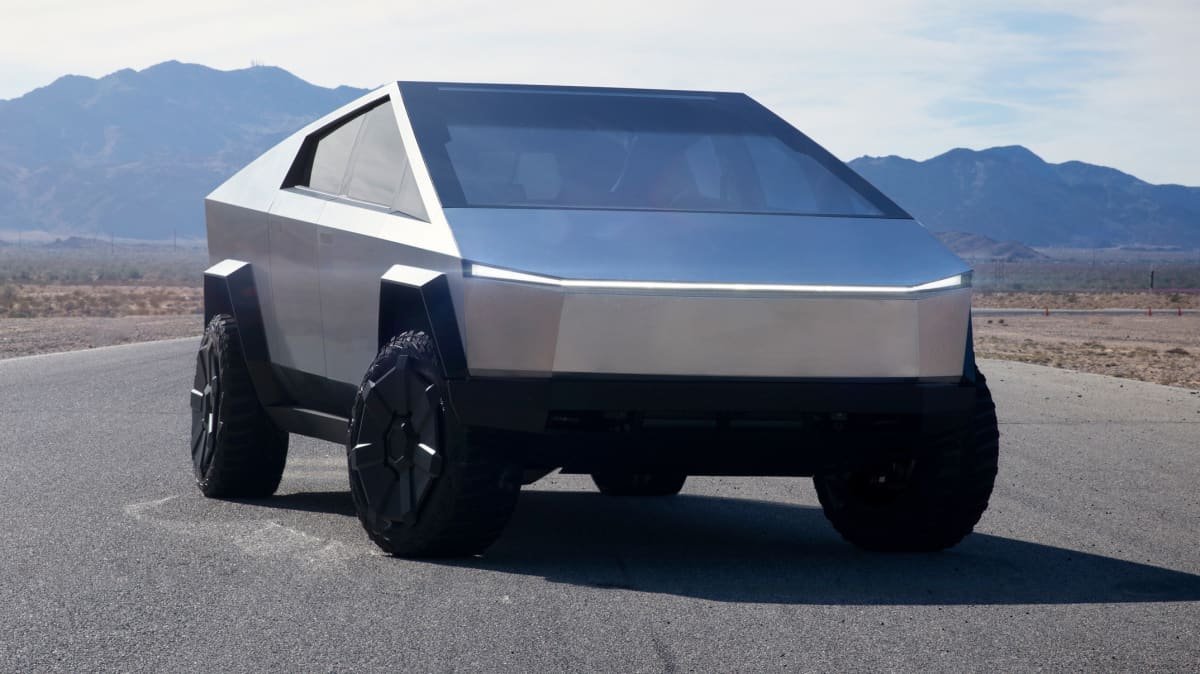
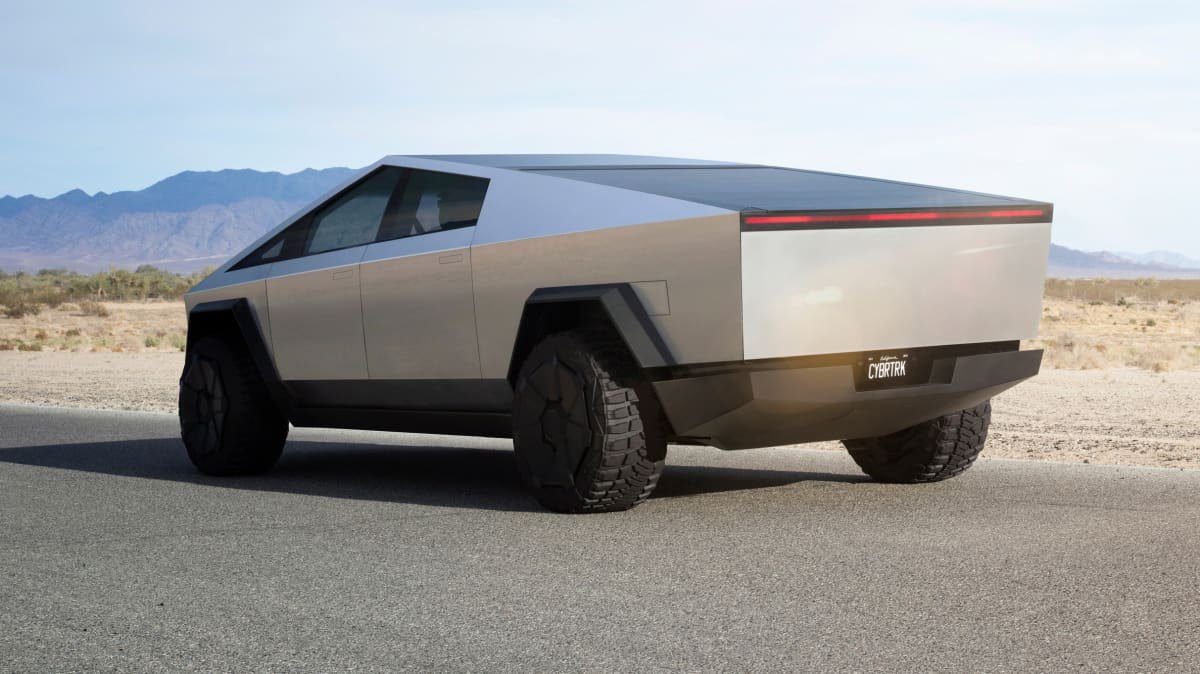
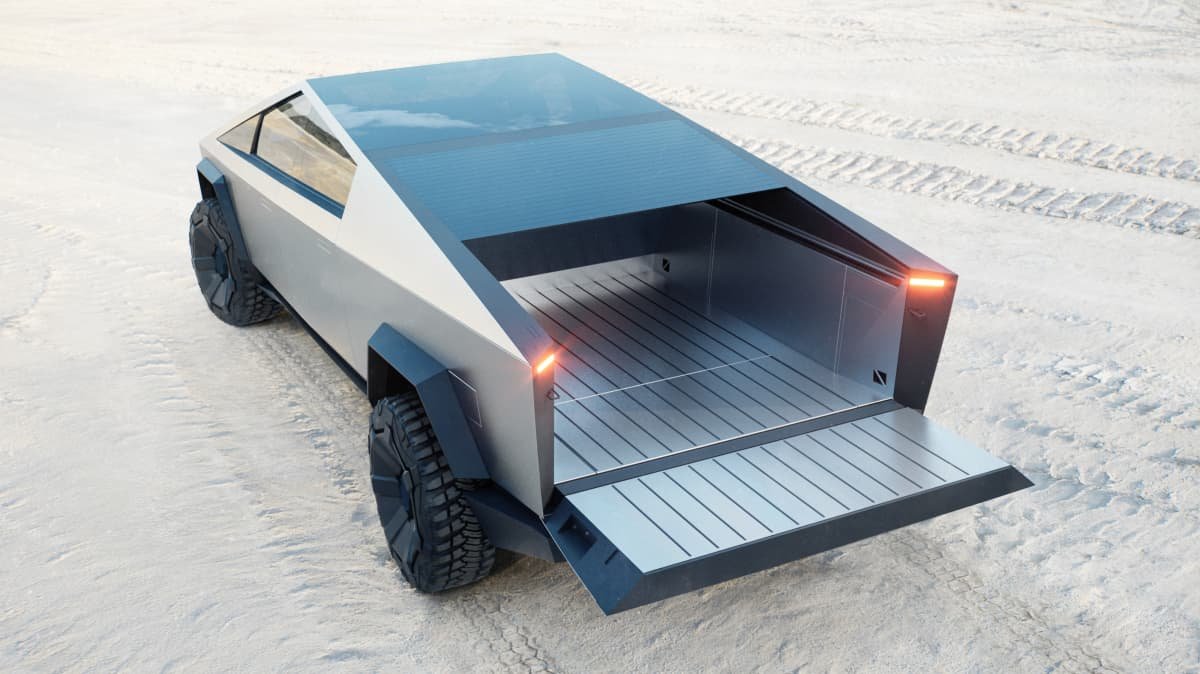
At launch CEO Elon Musk promised the radical zero-emission ute would be in production by 2021, however, we’re still yet to see one in the traffic.
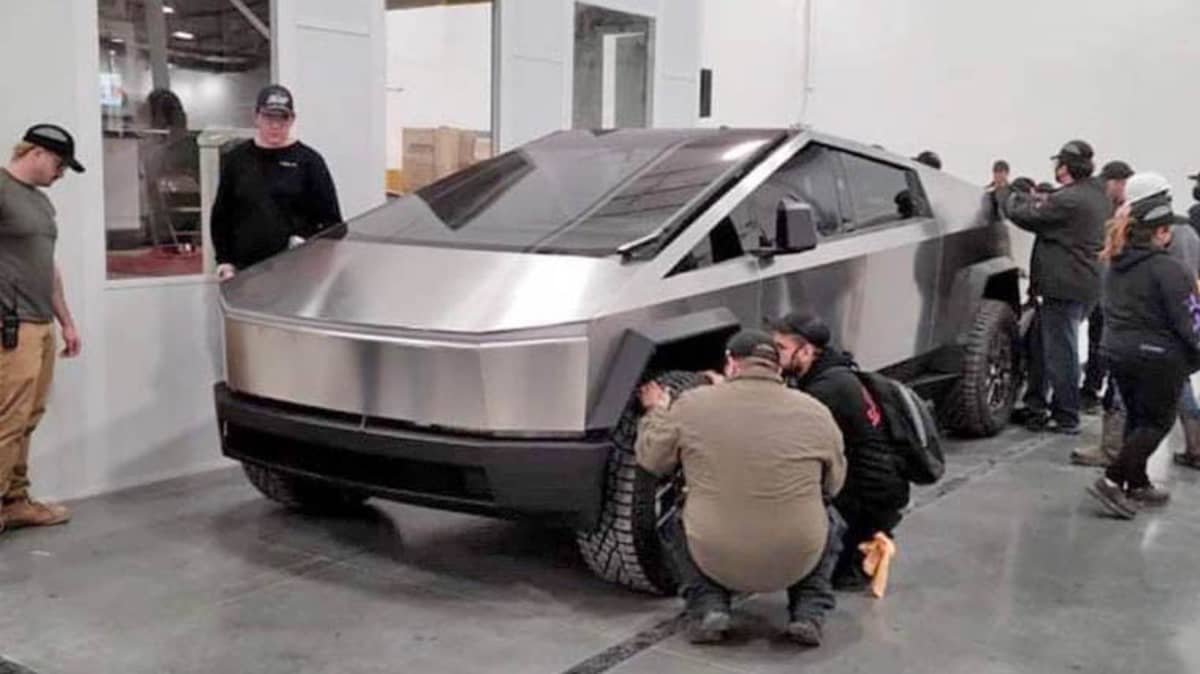
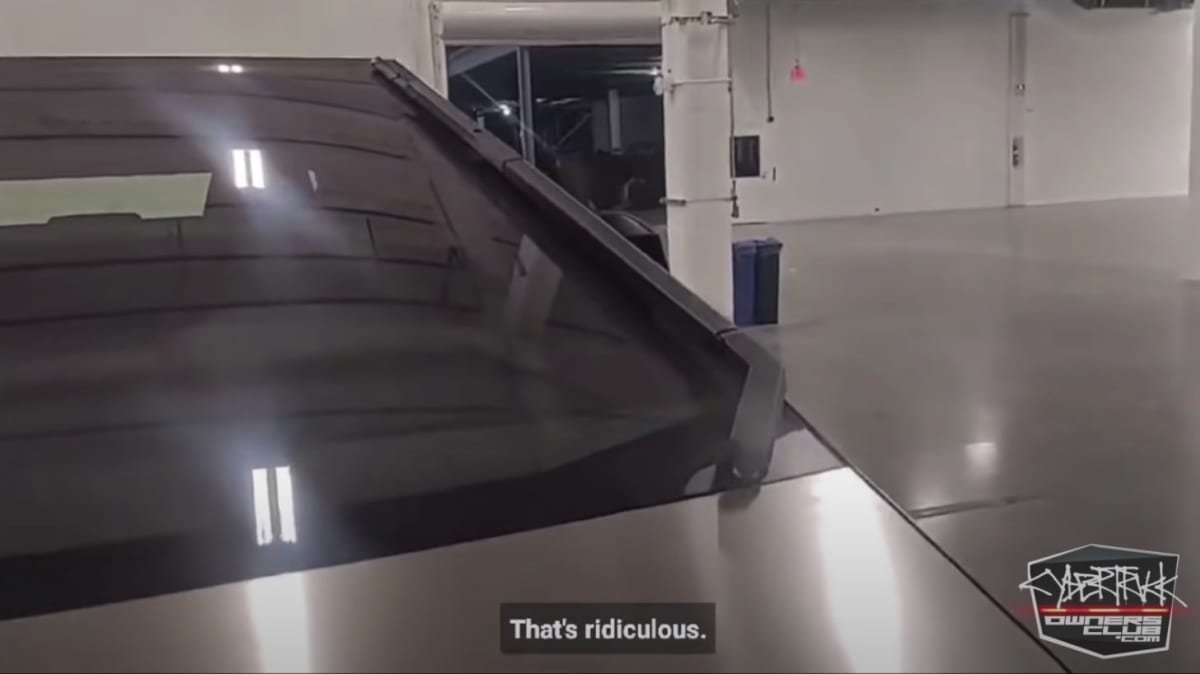
It’s unclear what specifically has caused the delay, however engineering challenges, slow regulatory approval, pedestrian safety criticisms, and factory setbacks in Texas likely played a role.
Elon Musk recently claimed deliveries will likely now begin in 2023.

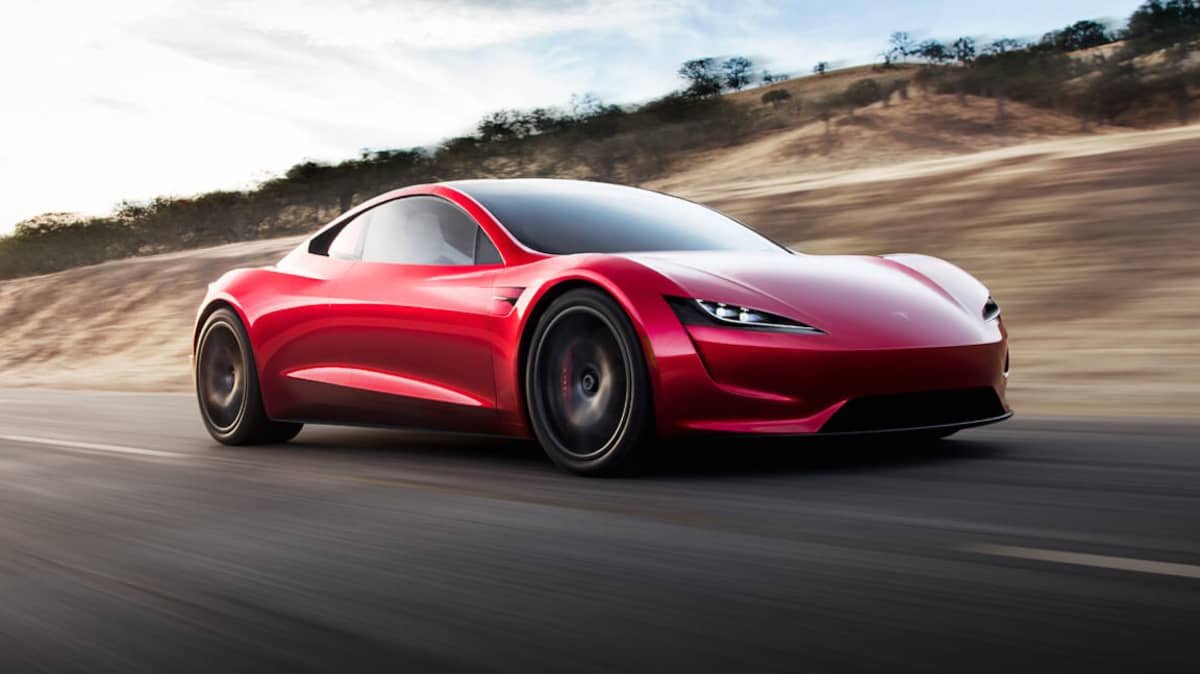
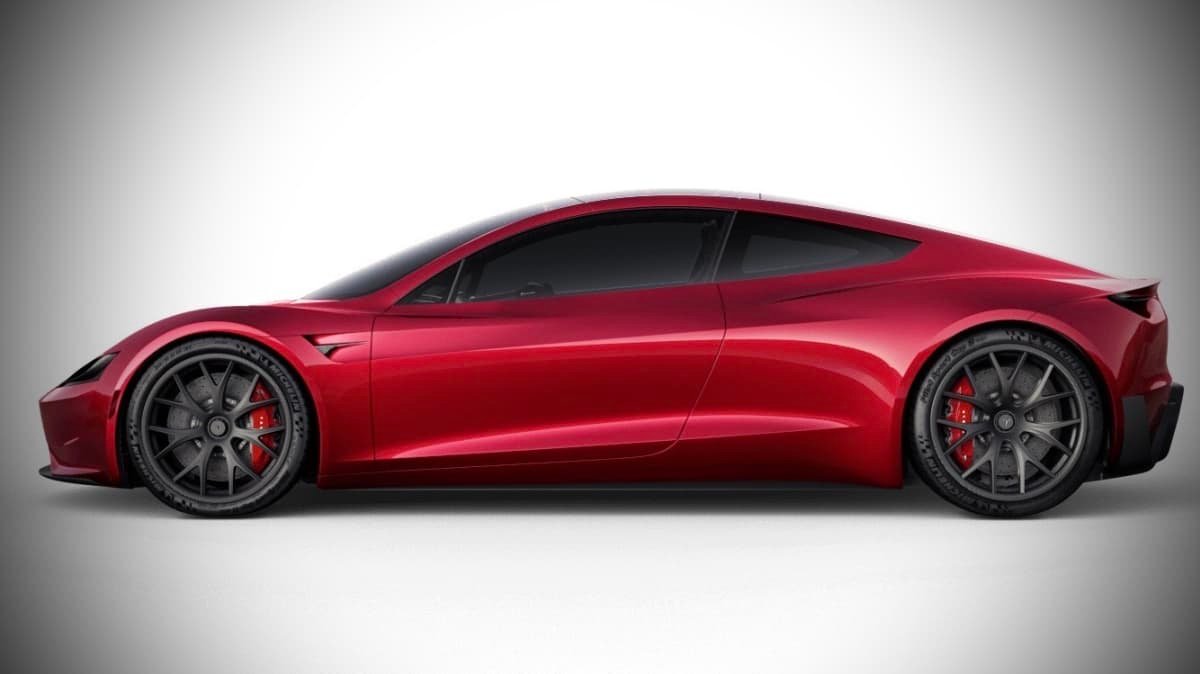
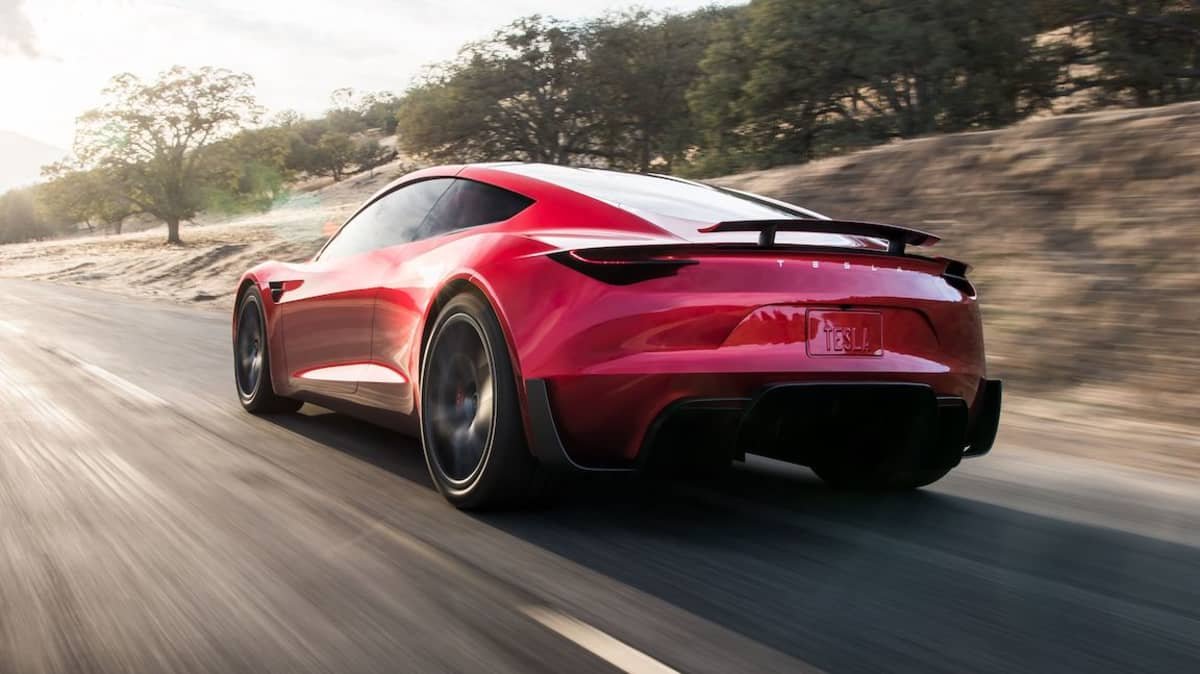
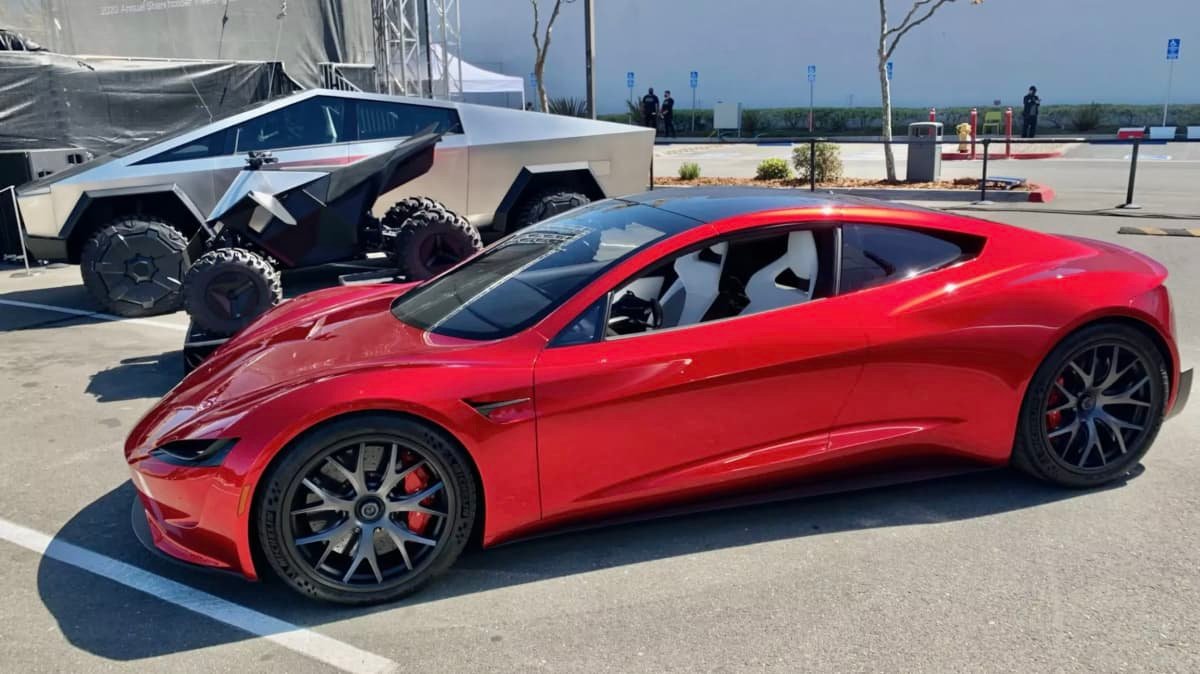
Tesla has achieved some mighty engineering feats over the past decade, however it’s also developed a habit of overpromising and underdelivering on production timelines – never more so than with its second-generation Roadster sports car.
Revealed more than half a decade ago during the 2016 Tesla Semi event, the two-door coupe was pitched as the vehicle to end demand for internal combustion supercars.
“The point of doing this is to give a hardcore smackdown to gasoline cars,” Elon Musk said at the time. “Driving a gasoline sports car is going to feel like a steam engine with a side of quiche.”
Its claimed specifications – 0-60mph (97km/h) in under 2.0 seconds and a top speed of 400km/h – seemed near-mythical at launch, however electric vehicle technology has developed significantly since that time.
Other manufacturers including Rimac and Lotus have brought similarly impressive vehicles from the concept phase to market during the same period, albeit at a considerably higher cost to customers than the circa-$US200,000 ($AU280,000) originally stated for the Roaster.
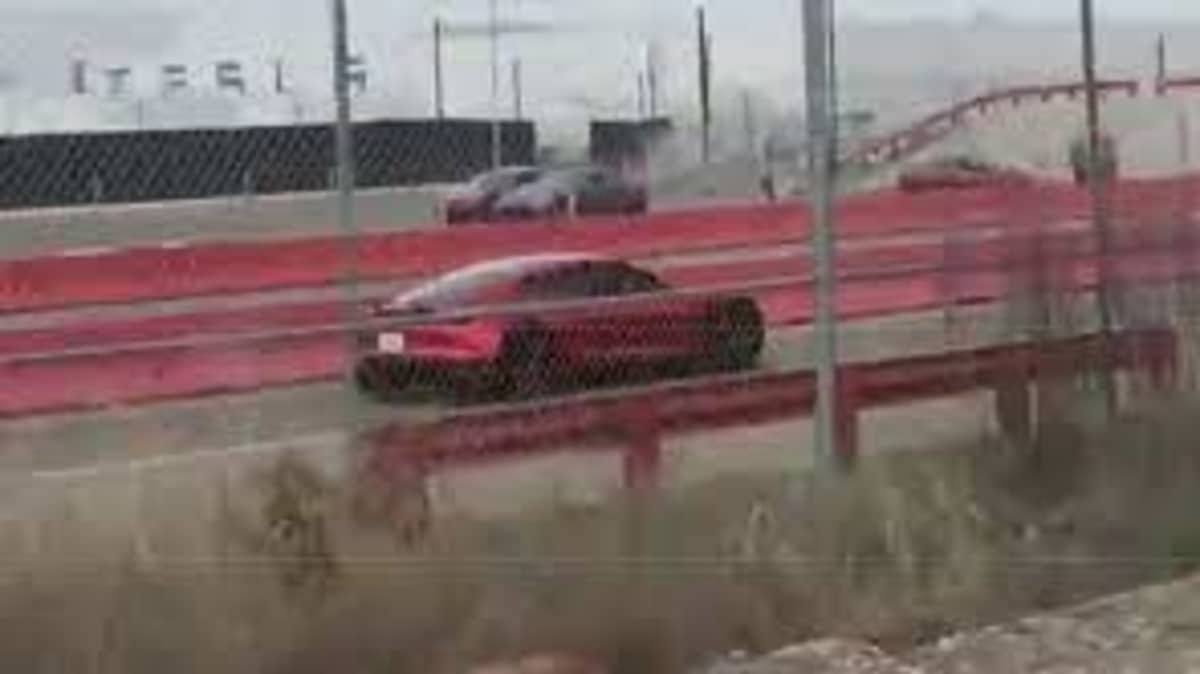
Very little testing or development has been reported, however the images below supposedly show a demonstration launch outside the manufacturer’s Fremont factory in California.
As with the Cybertruck, it’s unclear exactly what has caused the delays or when the successor to Tesla’s debut model will arrive in showrooms – though Elon Musk most recently claimed it would launch no earlier than next year.
2016 Aston Martin Valkyrie
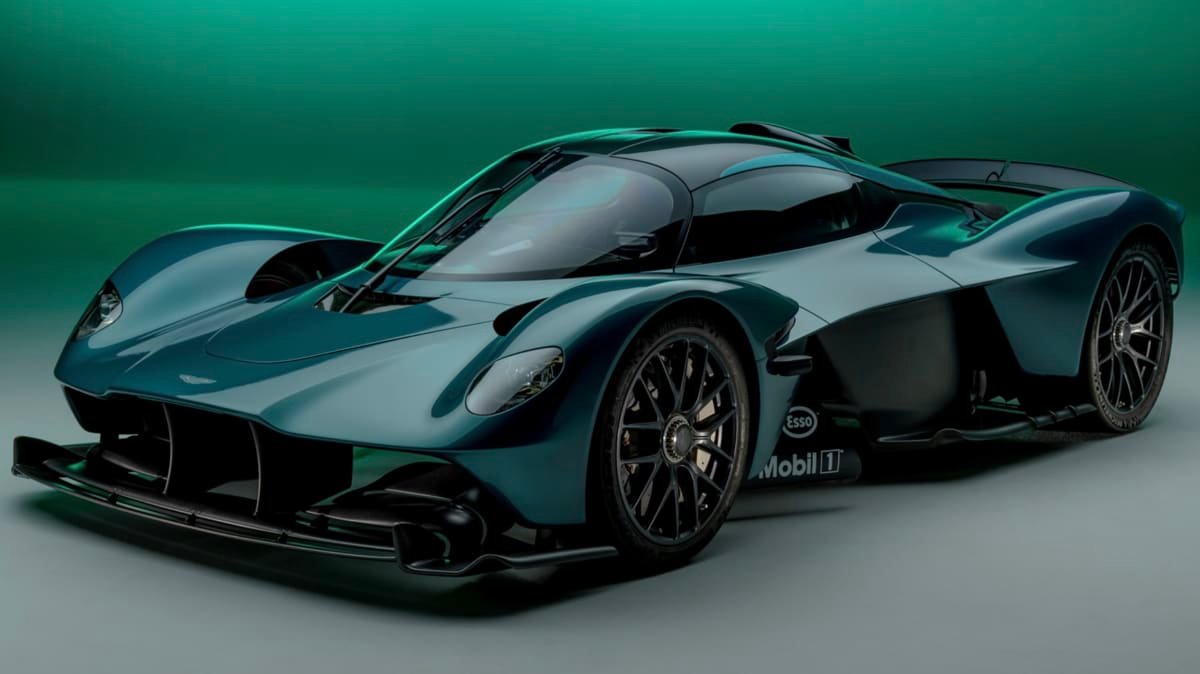
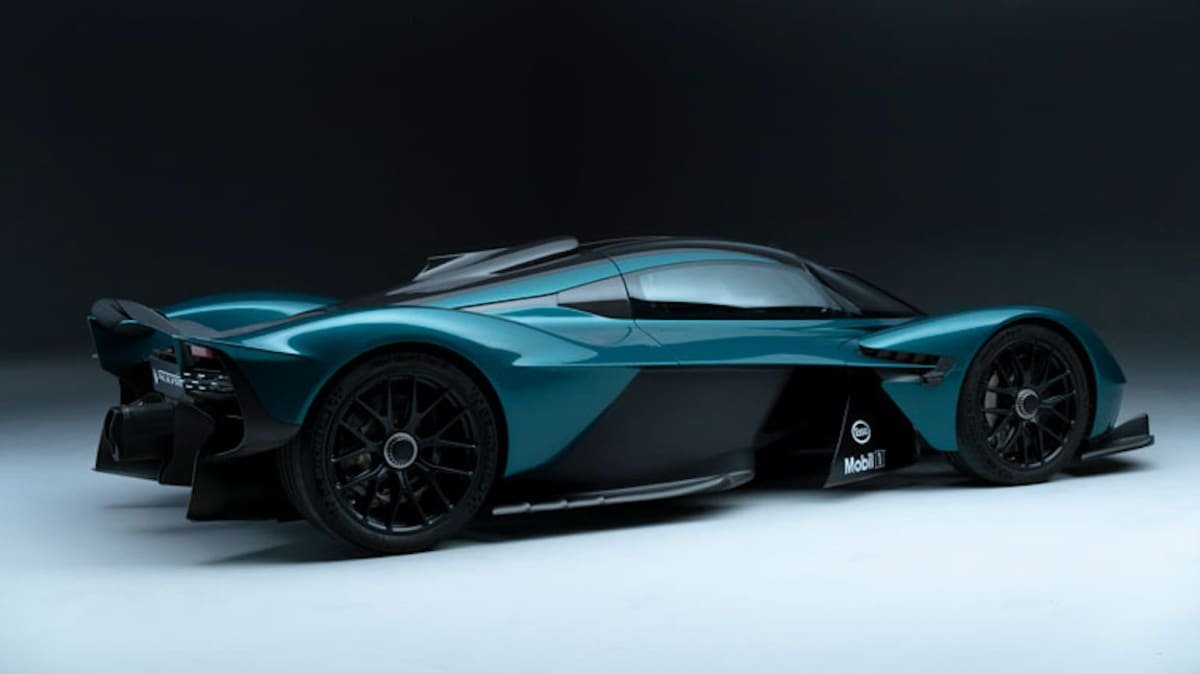
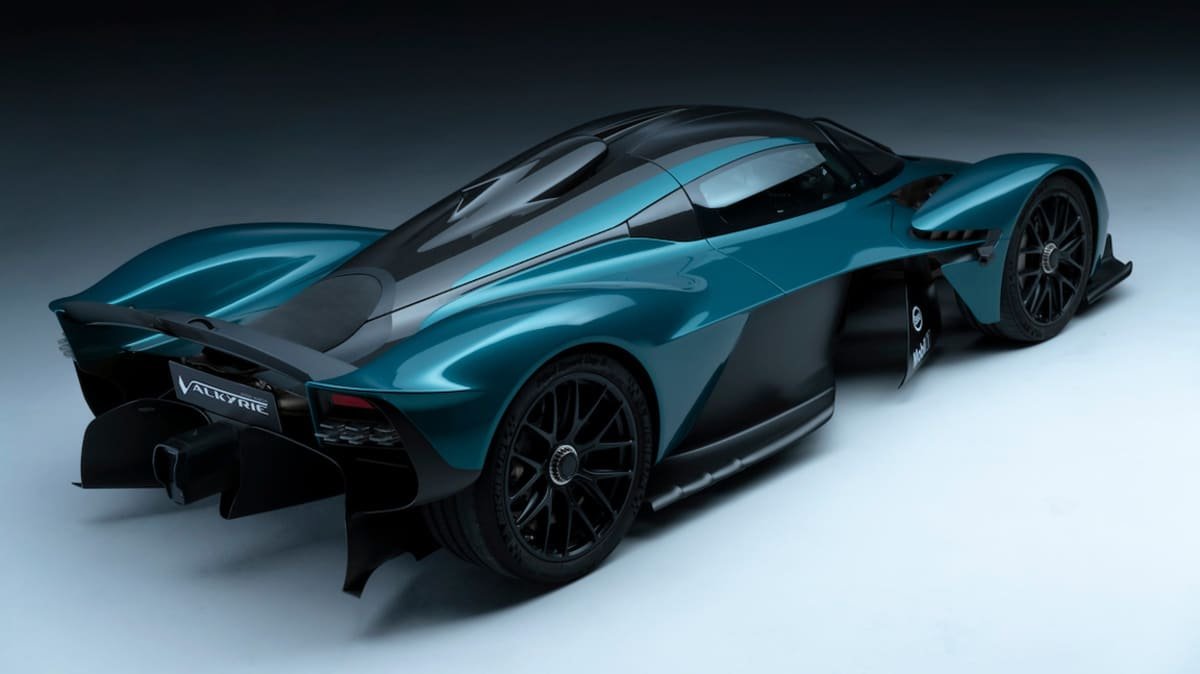
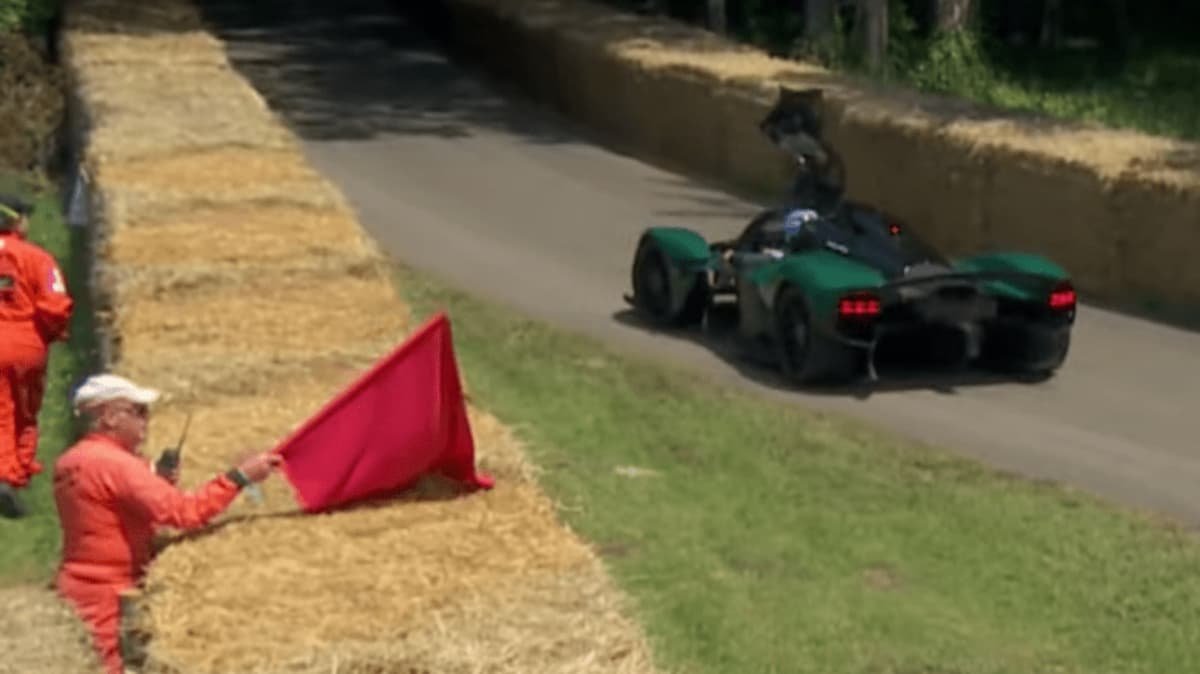
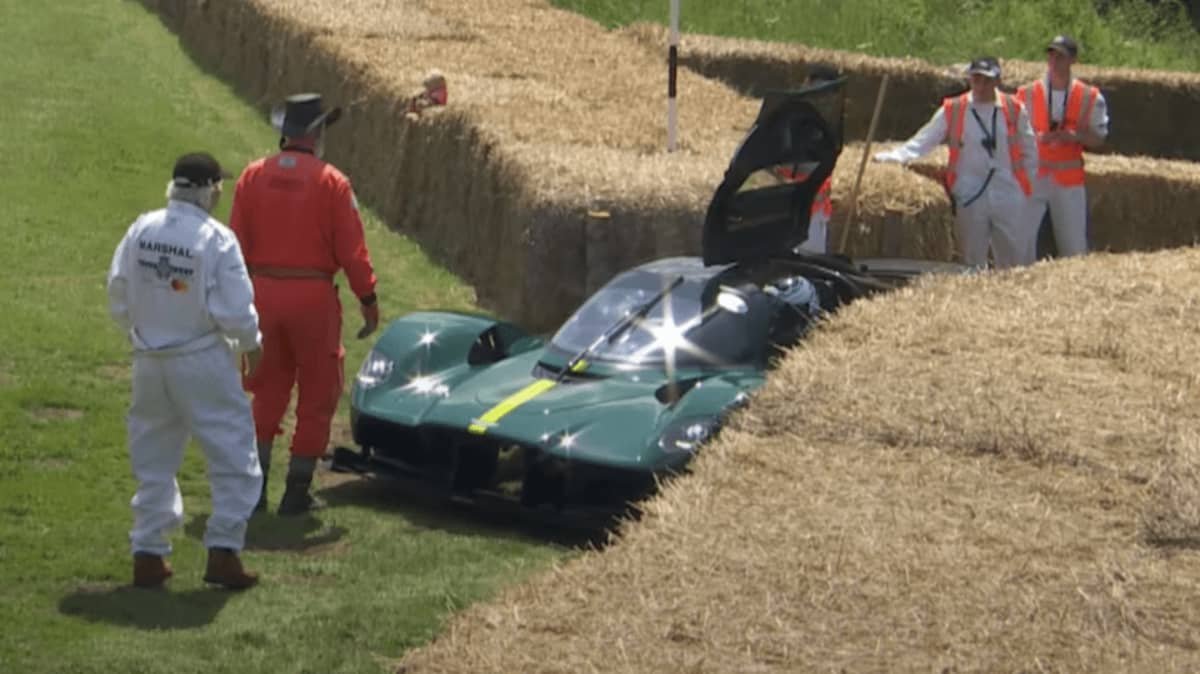
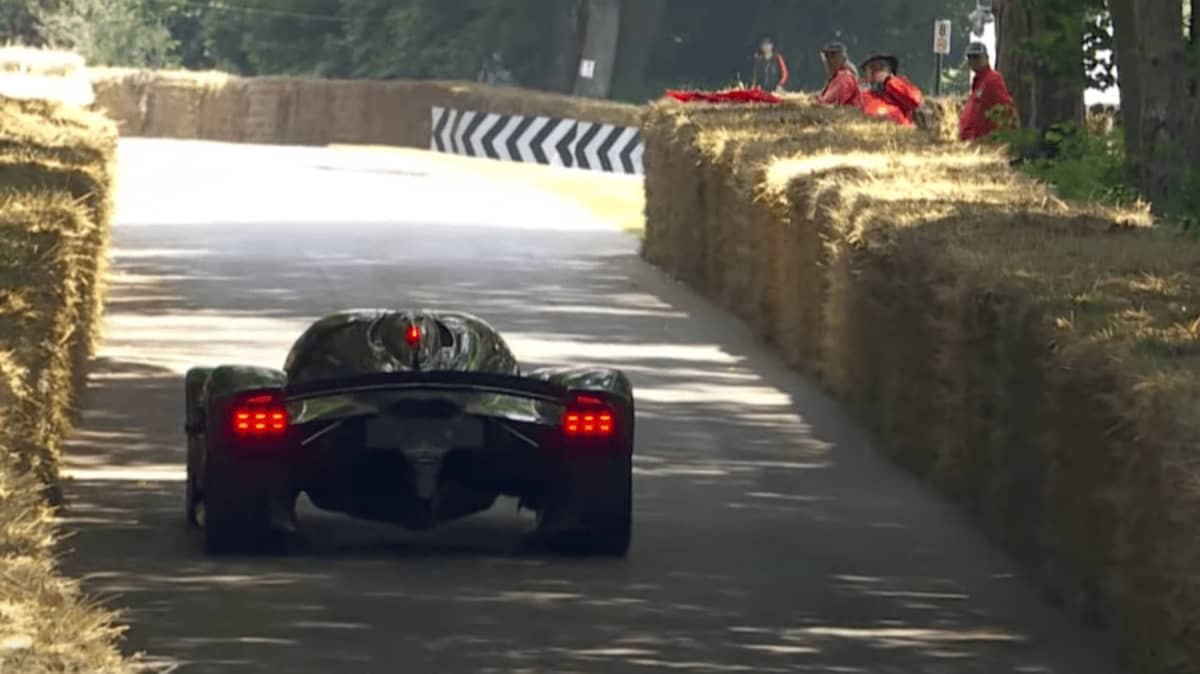
The Aston Martin Valkyrie broke cover in concept guise way back in 2016, and it’s been largely downhill from there (on at least one occasion, literally).
Designed in collaboration with Formula One legend Adrian Newey and launched as part of Aston Martin’s previous partnership with Red Bull, the vehicle was initially slated for production in 2017 or 2018.
A 1160kW 6.5-litre naturally-aspirated V12 hybrid power unit and ground-effect aerodynamics were supposed to make this the closest experience mortals could get to driving a F1 car.
At the time the British marque was adamant the fault was caused by a $AU9 electrical component, however the car then broke down again just one day later.
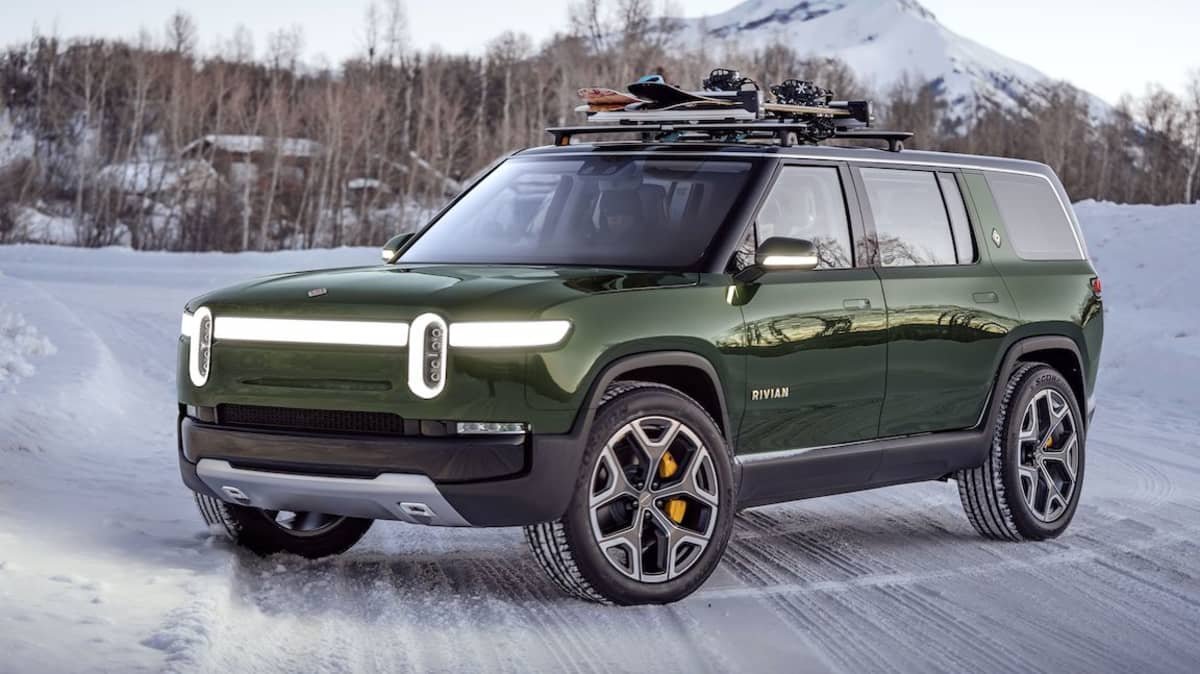
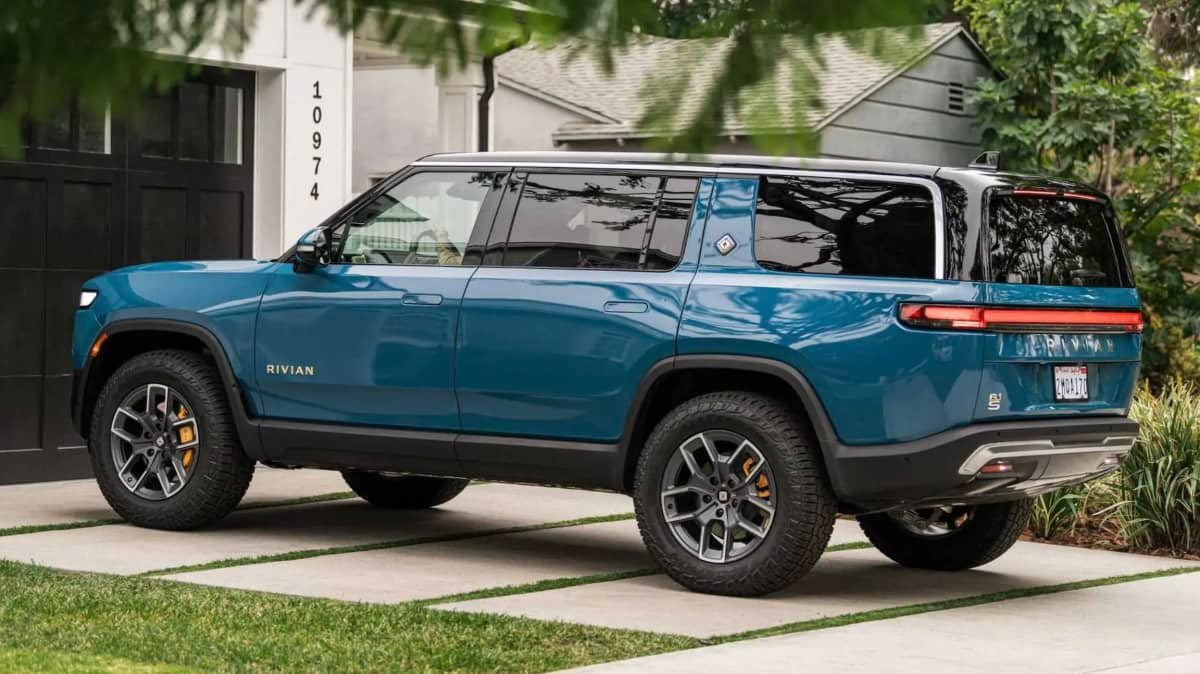
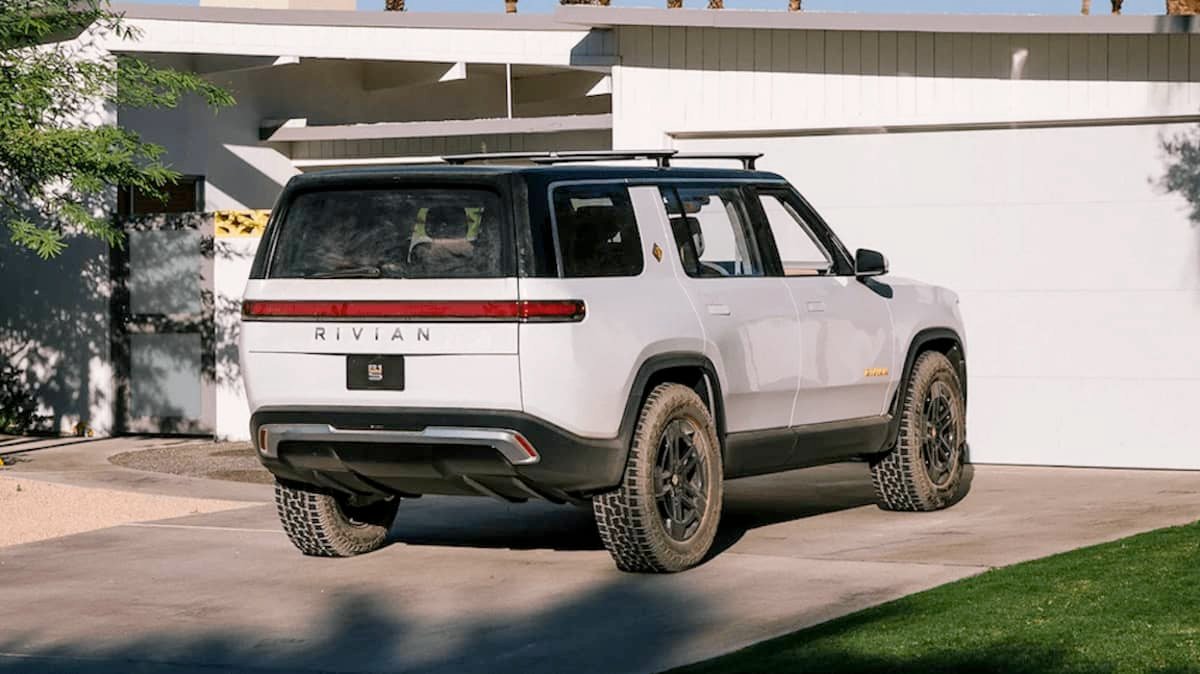
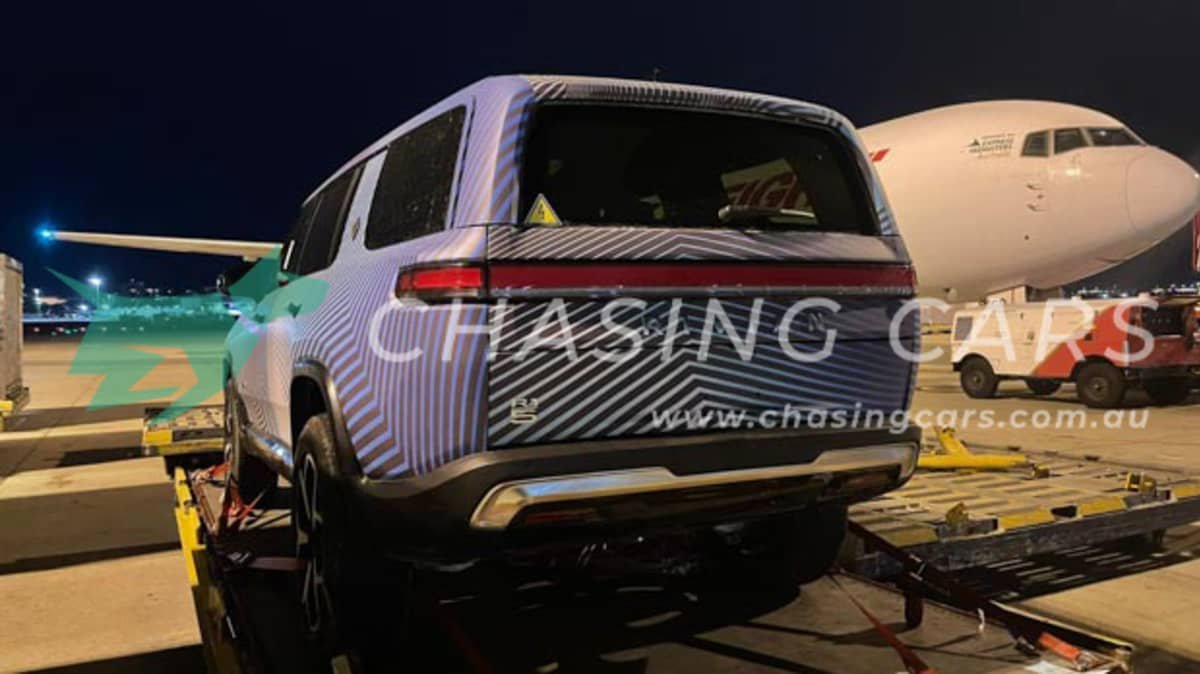
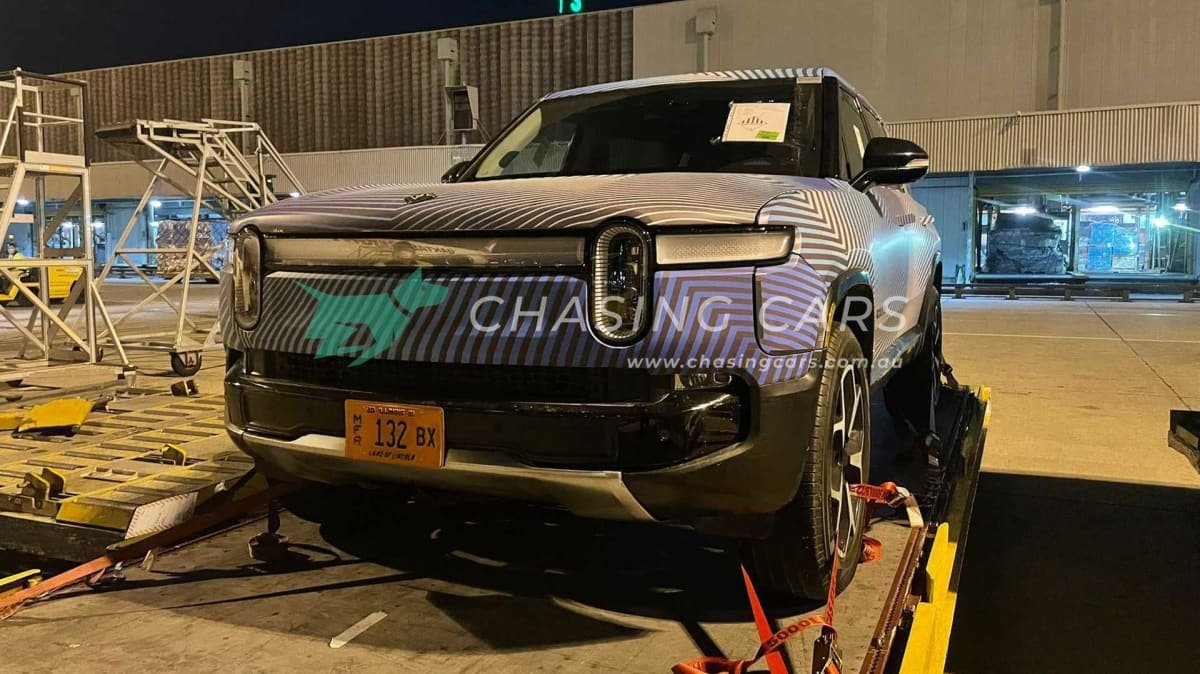
The Rivian R1S electric SUV was shown off alongside its ‘R1T’ pick-up twin at a press event in 2018.
At the time, the California-based electric vehicle start-up – which is backed by Amazon and automotive giant Ford – claimed it would begin customer deliveries before the end of 2020. However, this did not eventuate.
The R1S and R1T are underpinned by a shared skateboard platform, and both feature four independent motors – one on each wheel. Three lithium-ion battery packs will be available: 105kWh, 135kWh, or 180kWh.
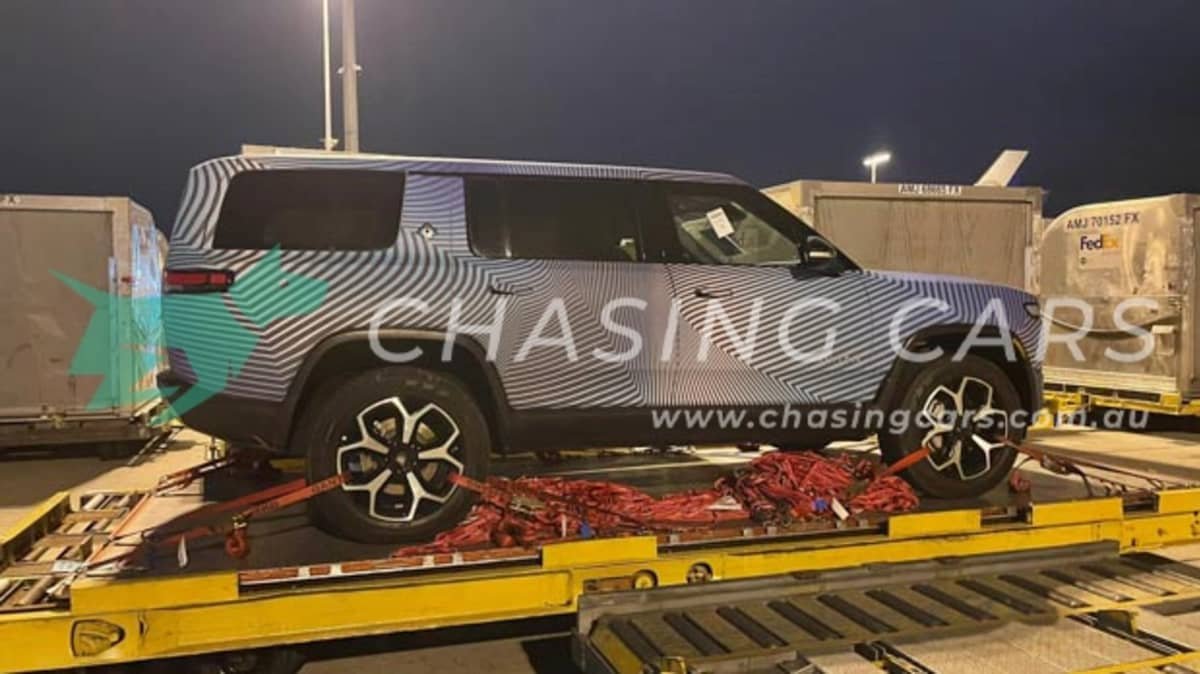
While both models were pushed back several times due to a ballooning production timeline, it’s appears likely the R1T ute – which is now on sale – was prioritised for initial deliveries, to compete in the increasingly-competitive electric ute segment.
Mass production of the Rivian R1S is now slated to begin sometime in 2023.
Do any other delayed models spring to mind? Let us know in the comments below.
He has maintained a primary focus on industry trends, autonomous technology, electric vehicle regulations, and local environmental policy.
As the newest addition to the Drive team, William was brought onboard for his attention to detail, writing skills, and strong work ethic.
Despite writing for a diverse range of outlets – including the Australian Financial Review, Robb Report, and Property Observer – since completing his media degree at Macquarie University, William has always had a passion for cars.
Read more about William Davis
[bsa_pro_ad_space id=15]