
[bsa_pro_ad_space id=14]
Tesla CEO Elon Musk has called the extent of the company’s recent price hikes “embarrassing” – but price cuts could be on the way, once material prices stabilise.

 0
0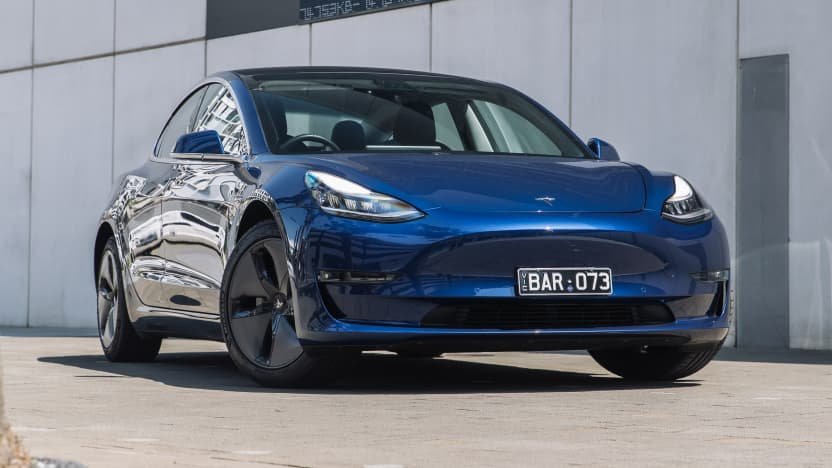
Tesla has acknowledged criticism of recent price hikes across its range – but for customers holding out on placing an order, lower prices could be on the way.
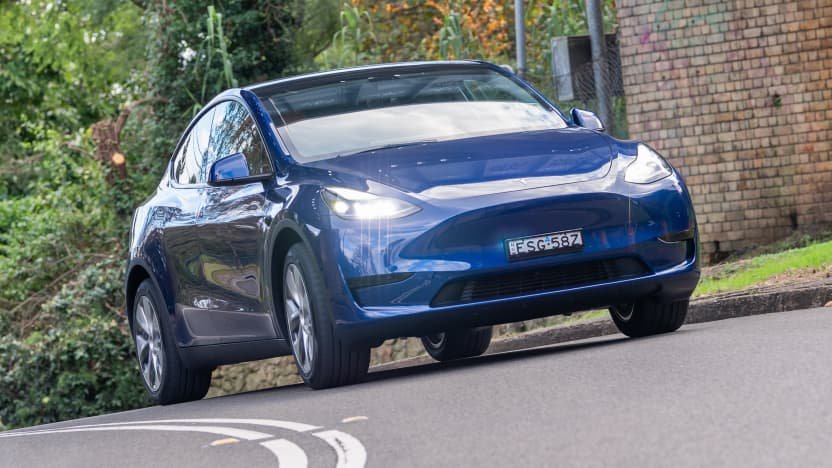
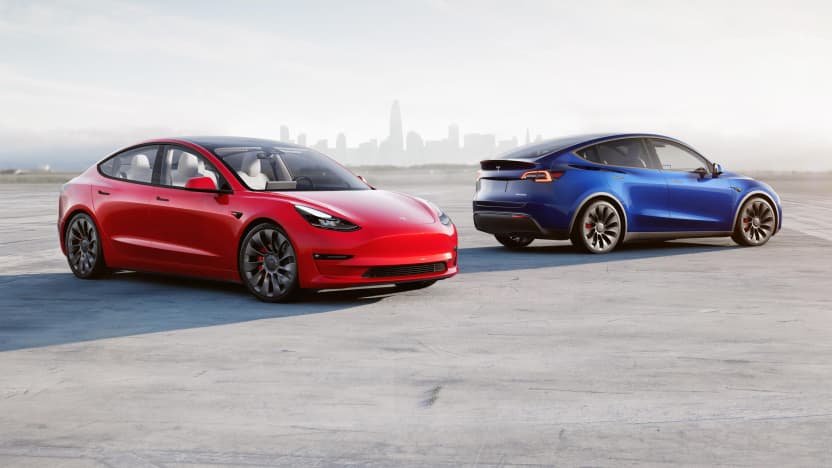
Tesla has increased prices significantly across the Model 3 and Model Y ranges in recent months, pushing the cheapest Model 3 electric car up by $5600 in six months – and the entry-level Model Y SUV by $3400 within a week of its Australian launch.
The price rises have hit even harder in the US, where multiple price increases over the last 18 months have pushed cars like the Model 3 Long Range from about $US48,000 ($AU69,300) in early 2021, to $US57,990 ($AU83,800) today – an increase of more than 20 per cent.
Speaking to media and investors this morning, Elon Musk explained the need to raise prices to protect Tesla from rising inflation and material costs – but nonetheless called the extent of the price hikes “embarrassing”.
“Since there’s quite a long wait when somebody our car – it’s like six months or so, or in some cases, up to a year – we have to anticipate what the global inflation rate is over that period of time,” Musk told investors.
“So that’s what we’re trying to do on the [price rises]. If we see indications that the inflation rate is declining then we would not need to increase our car prices.
“It’s possible that there could be a slight decrease in car prices. But this is mainly dependent on that global economic inflation, which is not something we can control.
Despite the price rises being unavoidable, Musk admitted: “I do feel like we’ve raised our prices quite a few times there, frankly, [to] embarrassing levels.
“But we’ve also had a lot of supply chain and production shocks, and we’ve got crazy inflation so, you know, I’m hopeful. This is not a promise or anything but, I’m hopeful that at some point we can reduce the prices a little.”
Much of the price increases across Tesla’s range are attributed to increases in material and production costs, and rising inflation – with some raw materials being affected more than others.
“Take this with a grain of salt, but I think inflation will decline towards the end of this year. We’re certainly seeing prices of commodities trading lower,” said Musk.
Another Tesla executive said: “The price of lithium has really shot up, but you know not every situation is that bad – so it’s kind of a spectrum.
“Carbon steel and aluminium have started trending down. We will only see the benefits of this probably in the later part of this year, or early next year. Most commodities [are] pursuing a downward trend towards the end of this year or next year.”
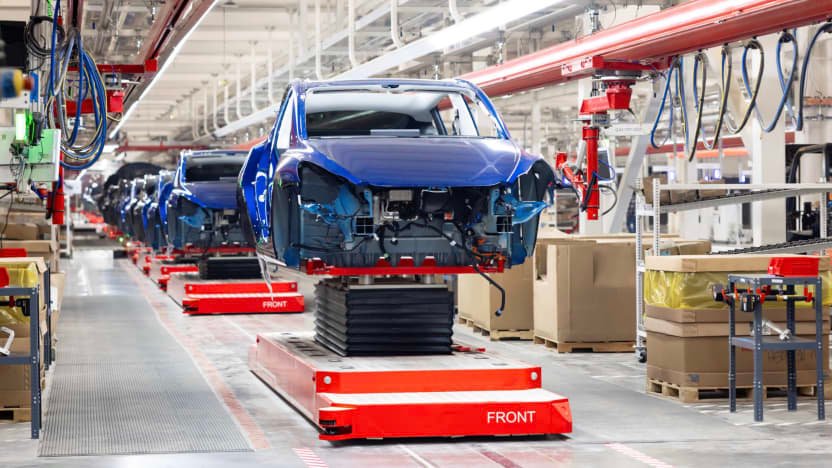
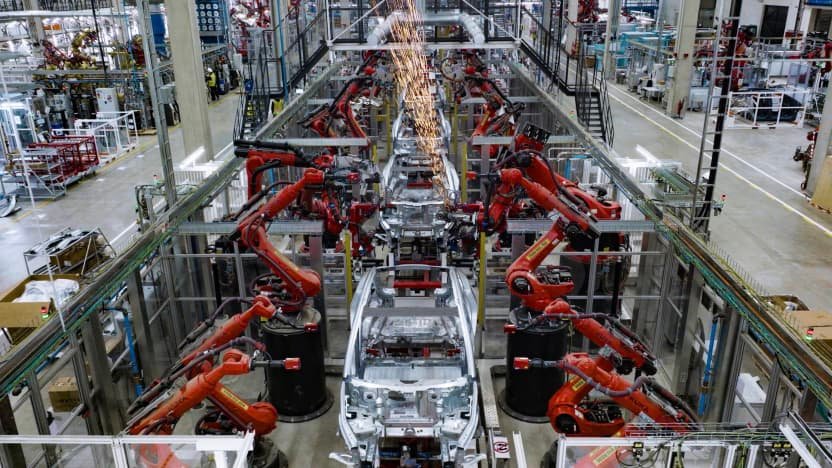
The price rises are backed by long wait times across Tesla Australia’s two currently-available models, the Model 3 sedan and Model Y, which stretch to February or May 2023 delivery for orders placed today.
The quotes above come as Tesla posts a profit for the second quarter of 2022 (April to June), with record production months for the brand’s Fremont, USA and Shanghai, China factories.
It delivered 254,695 vehicles over the period – down on the 310,048 delivered in the first three months of the year, but up on the 201,304 delivered in the second quarter of 2021.
Cars have played a central role throughout Alex’s life, from flicking through car magazines as a young age, to growing up around performance vehicles in a car-loving family.
Read more about Alex Misoyannis 
[bsa_pro_ad_space id=15]