
[bsa_pro_ad_space id=14]
Buried in the fine print of some car insurance policies is a disclaimer that permits the use of generic, non-genuine parts in crash repairs.

 0
0
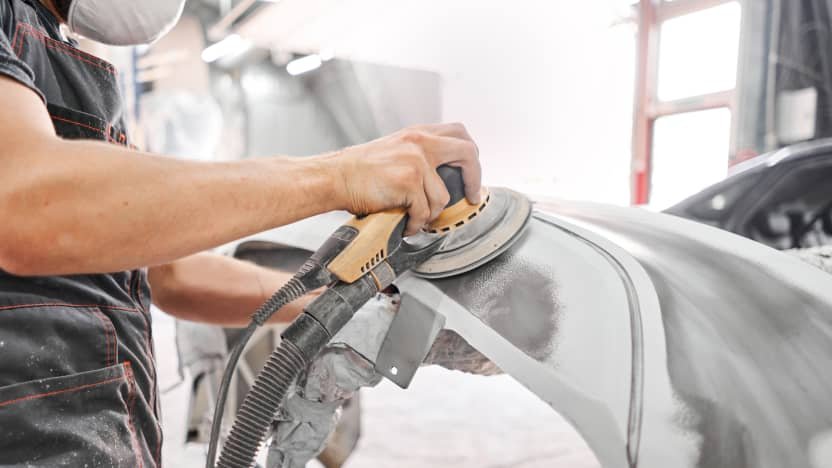
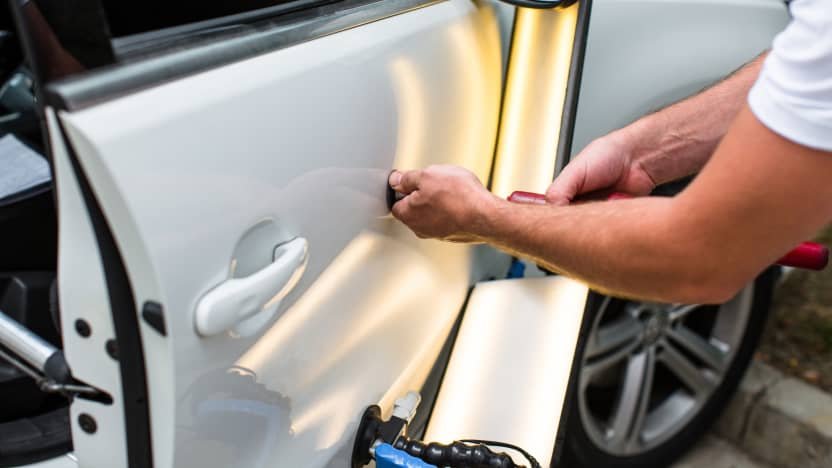
Some of Australia’s biggest insurance companies have discreetly introduced policies to use generic, non-genuine parts in crash repairs.
Permission to use non-genuine parts – which saves some insurance companies millions of dollars each year, but can leave car owners with ill-fitting repairs – is included in the fine print in the policies written by major insurers such as AAMI and GIO and others.
Insurance giants NRMA and RACV are the only major policy providers unearthed by Drive that specifically outline the use of genuine parts in crash repairs.
All major insurers had a provision to use “high quality, non-genuine” parts for windscreen and radiator replacements.
And they all had a provision to use genuine secondhand parts provided they were in good condition which, smash repairers say, is a better option than generic, non-genuine “aftermarket” new parts.
The fine print in product disclosure statements that enables the use of generic, non-genuine parts in crash repairs is easy to skim past.
For example, the product disclosure statements for AAMI and GIO say: “When we authorise repairs to your car we will ensure the repair work is properly carried out, use new parts or, where available, quality reusable parts.
“The parts used will not void the warranty provided by the car manufacturer, comply with the car manufacturer’s specifications and applicable Australian Design Rules, be consistent with the age and condition of the car, and preserve or improve the safety and structural integrity of the car.”
Of note, the AAMI and GIO policies refer to “new” parts but do not specifically mention they must be genuine parts.
The use of generic, “off-brand” parts saves insurance companies millions of dollars each year, but smash repairers are becoming increasingly frustrated because some non-genuine parts don’t fit properly – and it adds to their repair time when warranty claims emerge.
In contrast, the product disclosure statements for NRMA Insurance and RACV Insurance specifically highlight the use of genuine parts.
“If your vehicle is under three years, we use genuine new parts (when reasonably available). On vehicles three years or older, we use genuine new parts (when reasonably available), or – quality non-mechanical reusable parts.”
As with other insurers, NRMA Insurance and RACV Insurance note: “Regardless of your vehicle’s age, we may use non-genuine parts for windscreens, sunroofs, window glass, radiators and air-conditioning components.”
They also note: “We only use quality non-mechanical reusable parts when it is consistent with the age and condition of your vehicle, does not affect the safety or the structural integrity of your vehicle, complies with your vehicle manufacturer’s specifications and applicable Australian Design Rules, does not adversely affect the way your vehicle looks after it has been repaired, (and) does not void or affect the warranty provided by your vehicle’s manufacturer.”
The revelation about the increasingly widespread use of generic non-genuine parts in crash repairs comes as the Federal Chamber of Automotive Industries published a study that found nine out of every 10 motorists believe they have a right to be informed before non-genuine parts are fitted to their car.
The study surveyed more than 1000 Australians intending to buy a new car in the next two years.
The research also found most drivers surveyed were not aware car insurance companies could mandate the use of non-genuine parts in crash repairs.
“Fewer than two people in every 100 of those surveyed would be willingly excluded from decisions about the quality of parts fitted to their vehicle,” said Tony Weber, the chief executive of the Federal Chamber of Automotive Industries.
“The message is clear. If you’re planning to fit anything other than the tested and proven genuine part, Aussies demand the right to be notified. It’s really a bare minimum expectation. It’s my car, it’s my choice.
“Australians are acting as testers for non-genuine parts on the behalf of the insurers and repairers motivated to repair … cars as cheaply as possible.”
The Australian Automotive Aftermarket Association (AAAA), which represents independent repairers, agreed with the need to use genuine parts for safety-critical components.
However, the AAAA said the car industry could encourage the wider use of genuine parts across more crashed components “at the stroke of a pen” if car companies made genuine parts more affordable.
“The car industry could fix this problem overnight if they simply reduced the inflated prices of their parts,” said Stuart Charity, the chief executive officer of the AAAA.
“Our view is airbags, airbag sensors, and any safety-critical parts in the crash zone should be genuine parts,” said Mr Charity.
“Other crash repair parts on the car should be genuine, certified to meet or exceed the genuine part’s specification, or be genuine but recycled (good condition secondhand) parts.”
An industry insider, who declined to be named, told Drive: “From a consumer perspective, the insurer is the one saving money, not the customer.”
The insurance industry says premiums would be higher if not for the use of generic, non-genuine parts.
“It’s about disclosure,” said the industry insider. “If a replica part is going on my car and could impact the value of it, or vehicle performance, I should have a right to be informed about it – and ideally the right to make a choice.”
Read more about Joshua Dowling 
[bsa_pro_ad_space id=15]