
[bsa_pro_ad_space id=14]
Volkswagen’s Czech brand Skoda says it is not in a hurry to switch from petrol to solely electric power – and other auto giants are coming to the same realisation.


Czech car brand Skoda – which is part of automotive conglomerate Volkswagen – says it is not about to abandon affordable petrol hatchbacks, wagons and SUVs in international markets, despite a push by European regulators to switch to zero-emissions electric power by 2035.
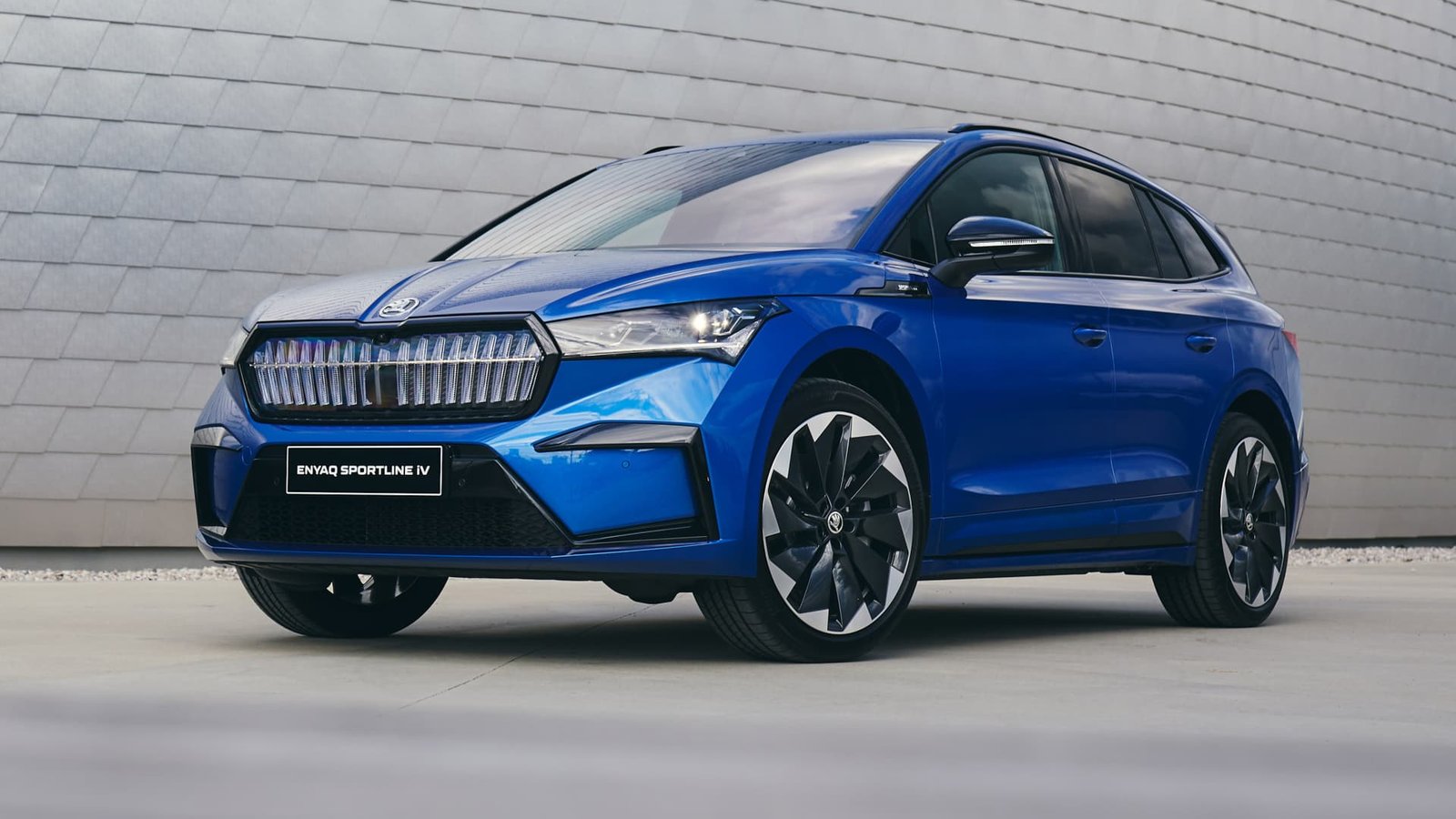
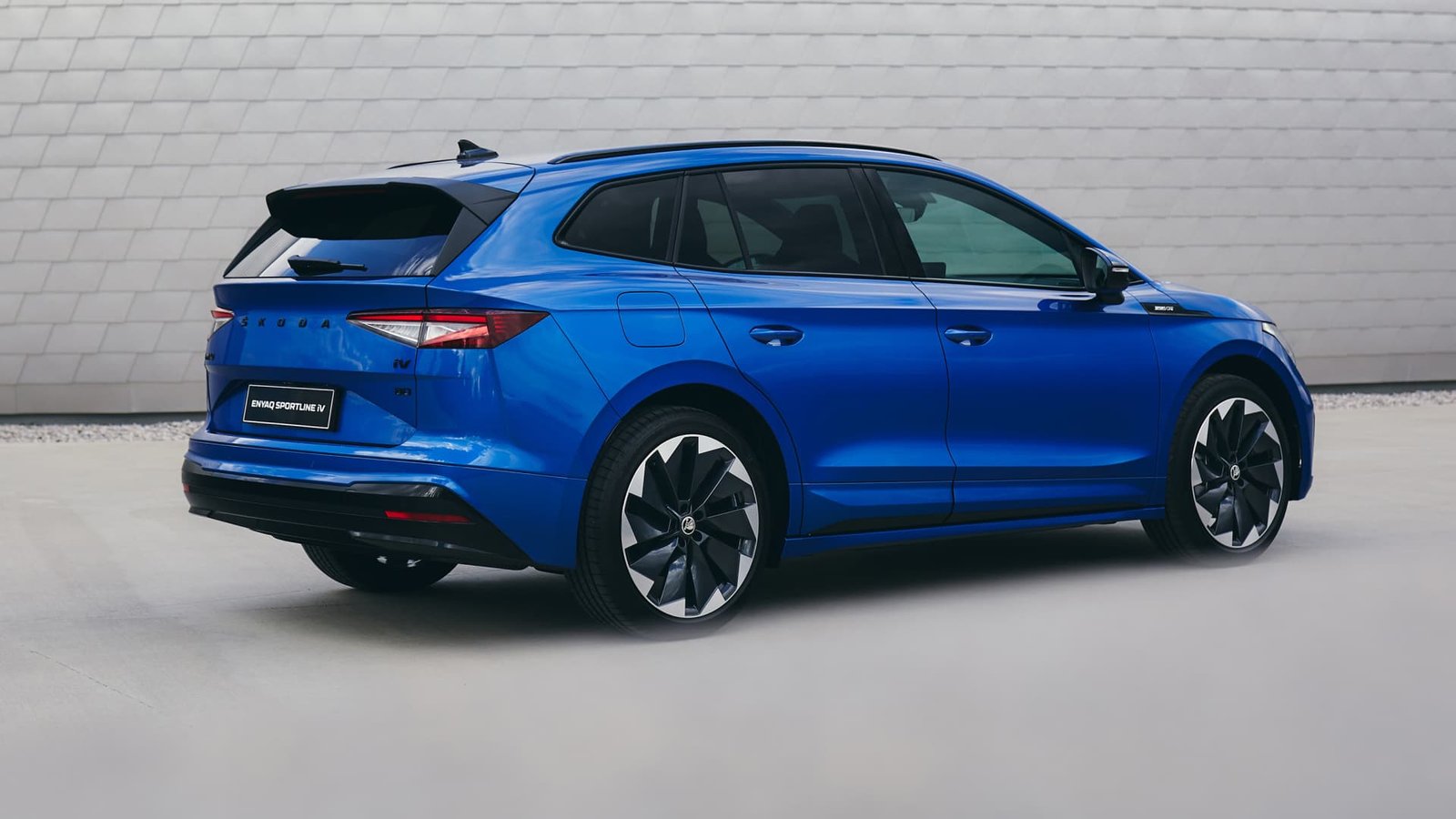
The boss of Skoda, Klaus Zellmer, says the company will introduce half-a-dozen new electric cars over the next two years – with more to follow, and a target for 50 to 70 per cent of its European sales to be electric in 2030.
However, the executive also said Skoda’s line-up of petrol hatchbacks, sedans, wagons and SUVs will not need to be sacrificed to make way for future electric vehicles in its global showrooms.
“There used to be a competition … (over who will be first with electric cars),” said Mr Zellmer. “I don’t care. It’s the consumers who decide, and of course legislation.
“Europe has said (the deadline for the end of petrol power for newly-introduced cars, without synthetic fuels is) 2035. We can plan for that. But before that, consumers will decide based on (the vehicle) package, the charging infrastructure, the psychology, range anxiety.
“Our responsibility as a car manufacturer is to cater for those preferences.”
In a roundtable interview with Australian media during last week’s Munich motor show, when asked if Skoda planned to build petrol cars indefinitely the executive said:
“As long as (petrol cars) are in demand … and of course within the legislation (such as) new emissions standards … then yes.”
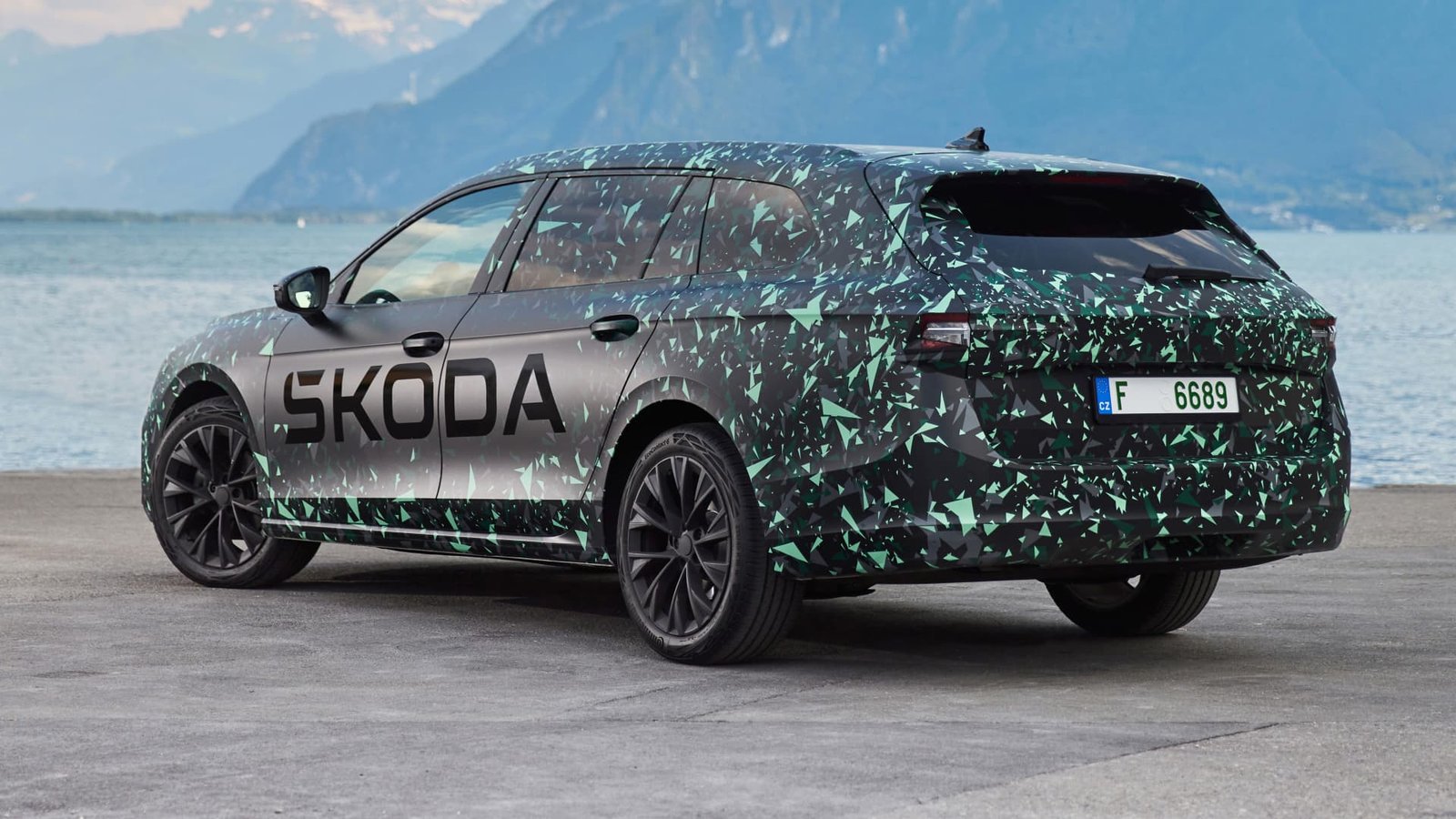
When asked if Skoda would be among the last car makers in the world to continue to manufacture petrol cars, the executive said:
“I’m not talking about last man standing. You’re going to see other manufacturers as well … saying ‘our cars are there, there’s demand’.
“Consumers either stay in their old cars, which potentially have more painful emissions than new cars, so let’s concentrate on what consumers prefer and let’s not get into this race of beating each other to be the fastest.”
The comments by the Skoda boss – formerly a high-ranking executive within Volkswagen – echo those from Japanese car giant Toyota, the world’s largest automaker by volume, which has consistently said not all international regions can move towards electrification at the same rapid pace.
“At the end of the day it’s one decision not made not by us, it’s (consumer) preferences,” said Mr Zellmer.
A growing number of car makers say there aren’t enough mines to process the precious minerals that go into electric-vehicle batteries at the pace being promised by regulators.
The environmental impact of electric cars is also become clearer. They can produce fewer emissions if powered by renewable energy. However, electric vehicle production is more energy-intensive than petrol vehicle production.
The Skoda executive also echoed concerns raised by other auto giants: the purchase of electric cars is a long way from reaching the more affordable price points – and this is another reason petrol cars may still be around for many years to come.
“The smaller (vehicle) segments … have more price sensitivity, (fewer) alternatives,” he said.
“I cannot see in the foreseeable future the cost going down for us to make an offer that provides safety, quality, the design, the performance, the comfort – everything that consumers expect from a modern car – to be incorporated in something now equals the price of the Fabia (which starts from the sub-$30,000 mark in Europe).”
Despite the hype over electric cars, the Skoda boss noted:
“Still the vast majority of customers are asking for (petrol cars) and mild-hybrids and plug-in hybrids.”
“And this is what Skoda does. We want to provide choice.”
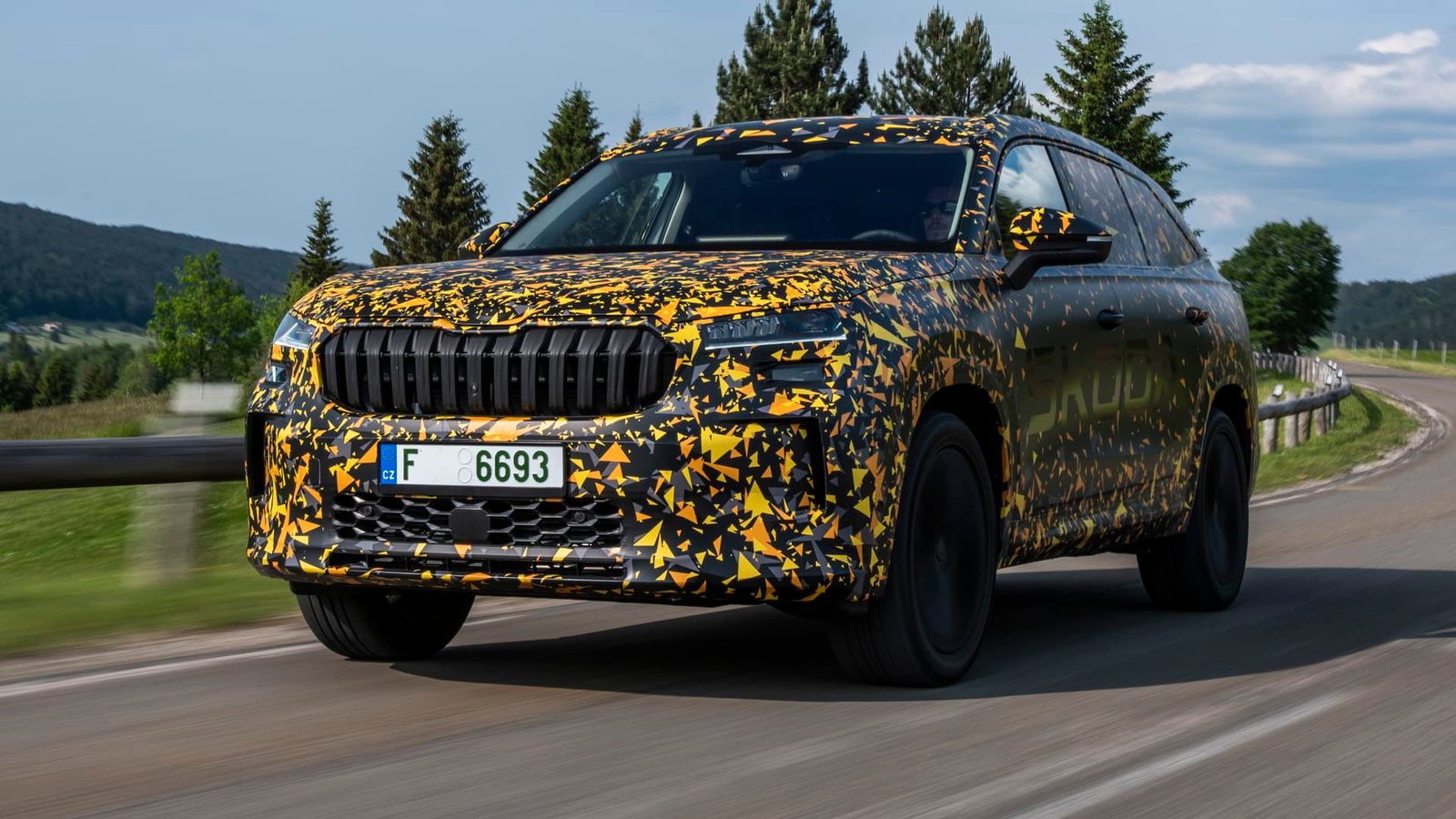
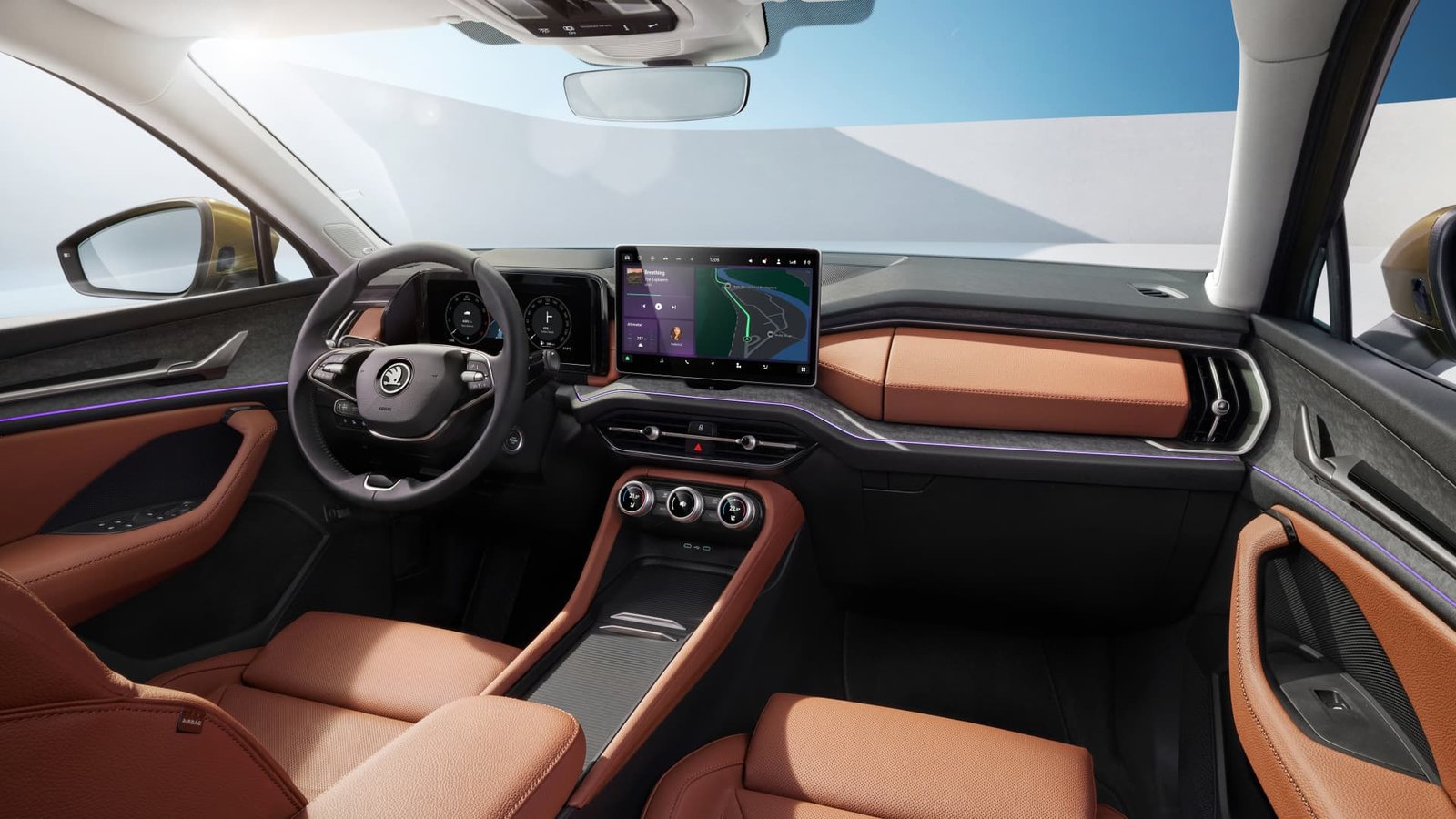
When asked if Skoda planned to extend the lifecycles of its current petrol-powered models – or continue to engineer new-from-the-ground-up petrol cars – the Skoda boss said:
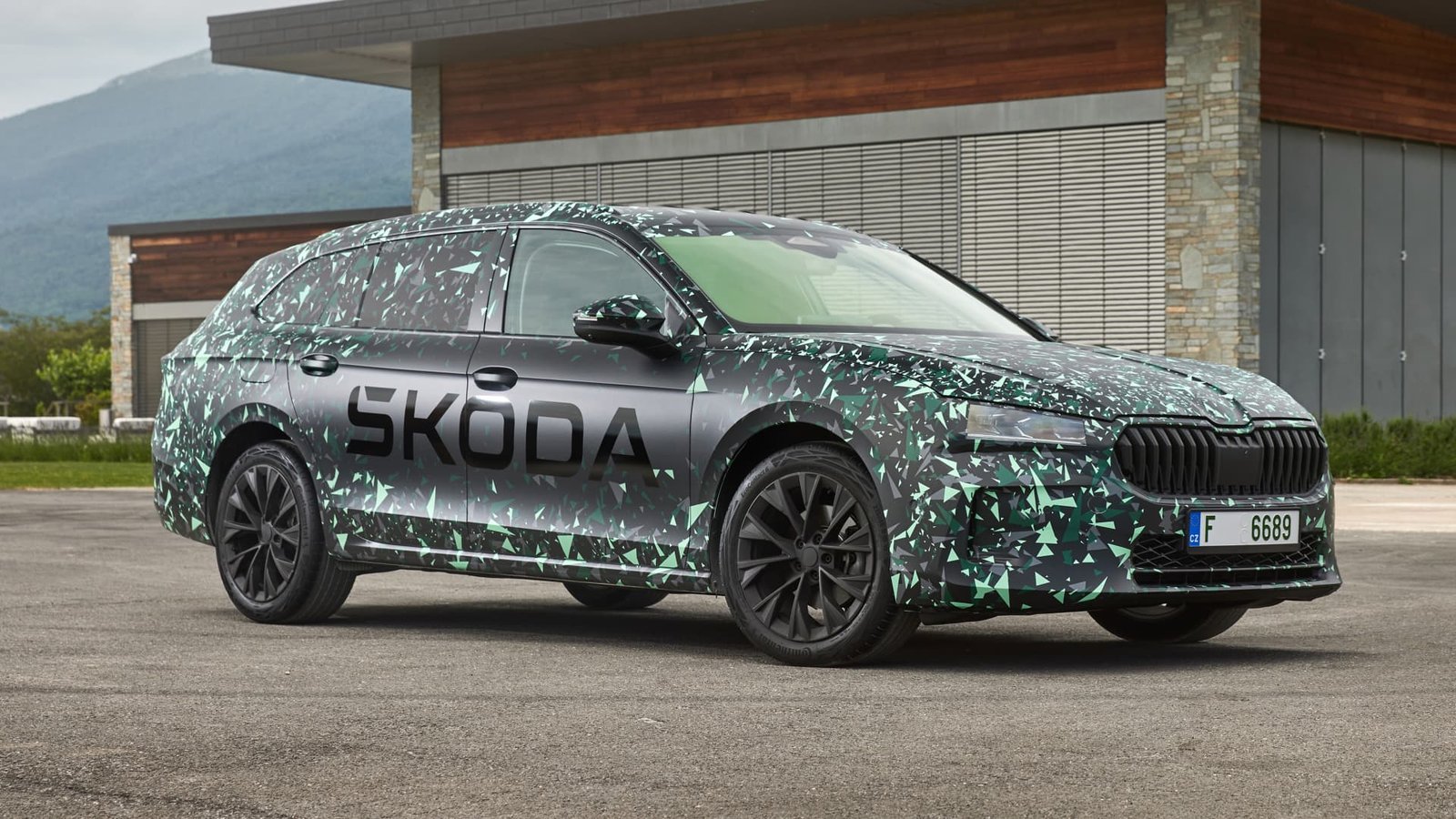
“It’s a bit too early to answer that right now. Octavia will get a refresh next year, the Kodiaq is brand new, the Superb is brand new, we just launched a … new Fabia.
“In terms of the average age of our cars, the majority are super-young, but let’s see how that cookie crumbles.
“I don’t want to talk too much about what happens five years from now. We’ll see. We’re prepared.”
Read more about Joshua Dowling
[bsa_pro_ad_space id=15]