
[bsa_pro_ad_space id=14]

 0
0‘But… But it was on Autopilot!’ They claim to no-one and yet everyone.
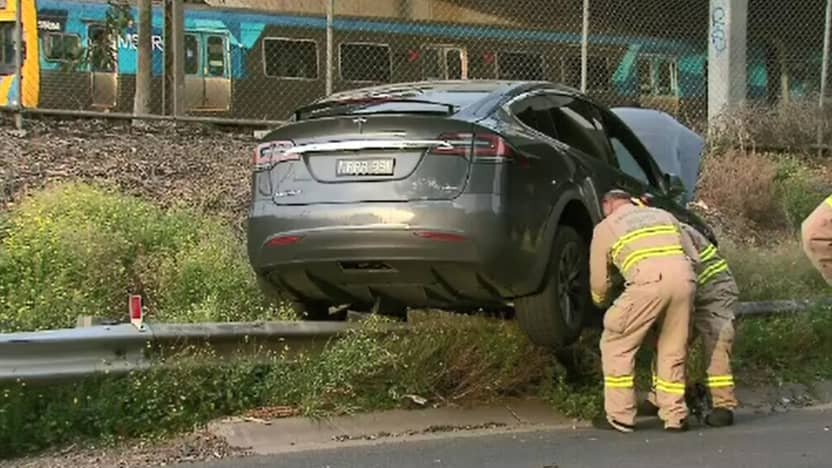
A seemingly infallible premise in a highly fallible world, Tesla’s Autopilot is now the go-to finger point for many accidents involving their electric cars, where owners and pundits alike feel that blaming the technology is the answer.
And I’m here to burst that little bubble once and for all.
Tesla Autopilot is cruise control. It is a modern technology suite that incorporates adaptive cruise control with lane-keeping aids, sure, but it’s still cruise control.
So, stop pretending it isn’t, and stop blaming it in place of your poor driving.
But most importantly, stop using it in traffic on busy urban streets.
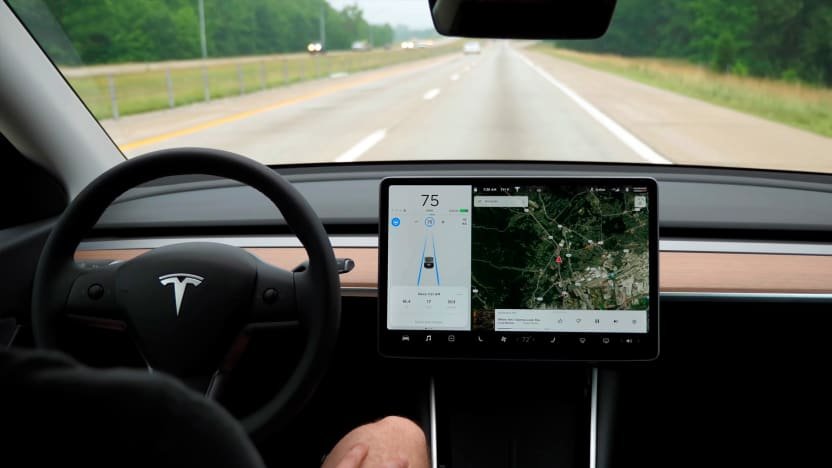
Most modern cars offer a myriad of assistance and convenience systems to support the driver, but none of them replace the need for the driver to remain aware and responsible for the car in every situation out on the road.
Yes, some of these systems remain passive until required, and will only intervene automatically if the car’s sensors feel it is warranted, but some, including cruise control, need to be activated by the person behind the wheel.
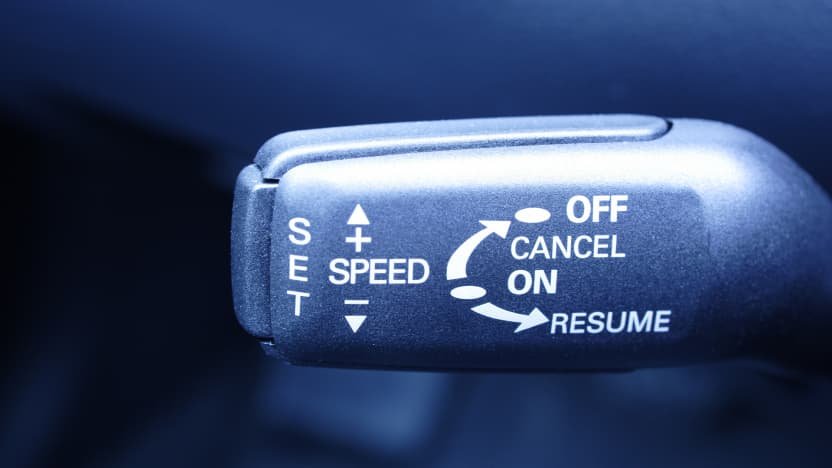
Cruise control, in any car, is designed to achieve and maintain a speed set by the driver in a ‘cruise’ situation.
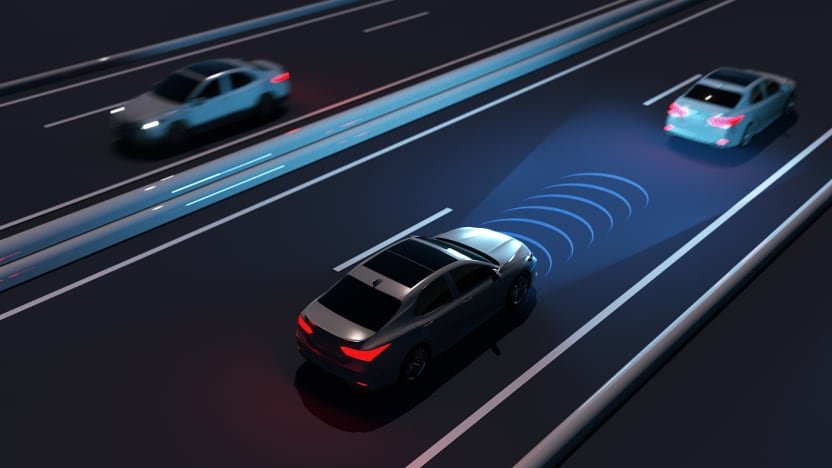
A modern, adaptive cruise-control system will attempt to do this while using sensors to maintain a gap to the car in front. Traffic queuing functions will even guide the car to a stop in the event the cruise cycle is interrupted, and resume the ‘achieve and maintain speed’ program once things get moving again.
This is the type of technology found in most modern cars, from Mercedes-Benz to Mazda. All offer different names and nuances to their operation, but the principle is the same.
This means, regardless of the badge on your boot, if you are using a cruise-control system, your car is fundamentally trying to reach and maintain the speed you have set. Unless it’s a particularly advanced system, it won’t change that speed for road conditions, or bends, or weather, or any other external influence outside of its basic operating guidelines.
The only thing stopping you from careening into the car in front, or perhaps into a barrier on the side of the road, are the sensors and other software systems at play… Oh, and you.
Cruise control, by the nature of its name, is designed to assist during sustained ‘cruise’ driving. Long distances, higher speeds, that sort of thing.
It is not designed to be used on your daily commute so you can stare out the window.
To be clear, the fault in the most recent incident in Melbourne, where a Tesla Model X ‘inexplicably’ speared off the road in low-speed peak-hour traffic, lies entirely with the driver.
This occurred on a two-lane road at peak hour, in stop-start traffic, which is not a place to engage cruise control.
The other recent case where the driver of a Model 3 collided with a pedestrian getting onto a tram, again in a built-up area under ‘normal’ traffic conditions, was not a place to engage cruise control.
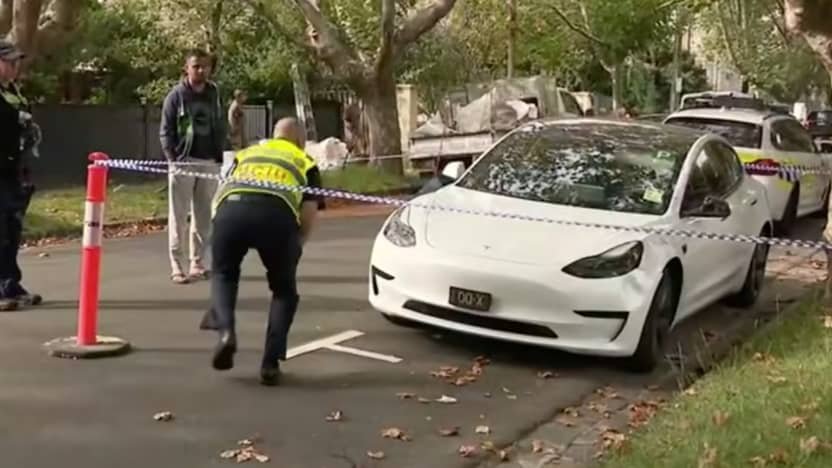
These are situations where the volume of variables is huge.
Other cars, intersecting streets, traffic lights, cyclists, and pedestrians. Surely common sense would suggest you concentrate on the task at hand rather than actively engaging a system to make your drive riskier?
I wouldn’t. You wouldn’t. So Tesla drivers, for the good of the rest of us, stop doing it.
Use your driver assistance technology on the highway, but stop using it as a gimmick on suburban streets.
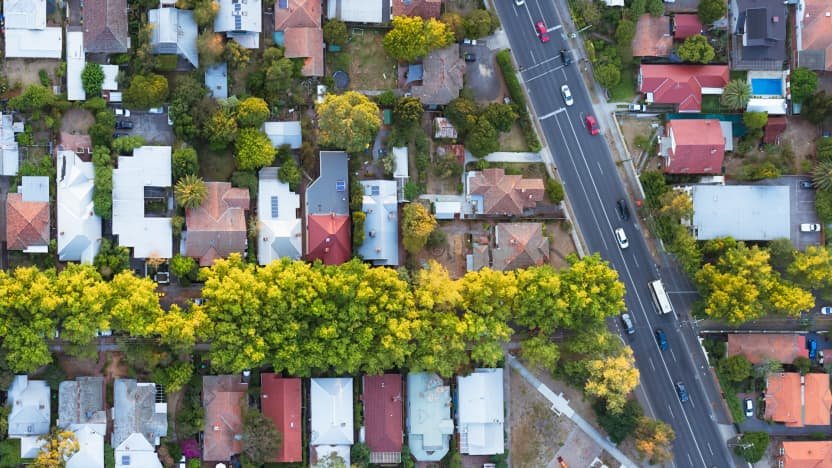
Bottom line: using cruise control systems in any kind of heavy traffic is ill-advised, regardless of what you drive, or what the system is trademarked as.
In any car, from any brand, these systems are not foolproof. Technology can get confused or simply fail. Systems can glitch. Accidents can happen.
Please just stop doing things that may amplify the situation.
Autopilot isn’t a thing.
Full Self-Driving isn’t a thing.
You have a tremendously advanced vehicle, but you are still required to be in full and complete control all the time.
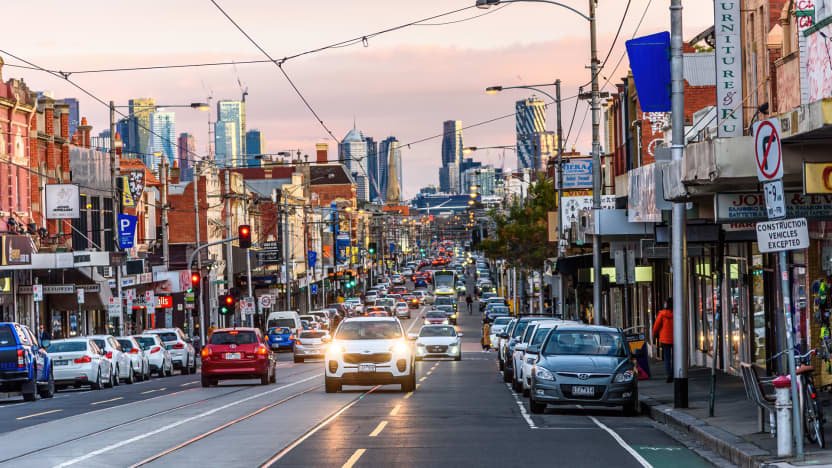
Sure, you can blame Tesla marketing, or blame Tesla quality assurance, or blame Elon Musk if you will, but the responsibility in this and every other incident rests solely on the person behind the wheel.
And if you are one of these fools using ‘autopilot’ in traffic, you need to stop.
Read more about James Ward 
[bsa_pro_ad_space id=15]