
[bsa_pro_ad_space id=14]
Want a new Mini before Christmas? There are now only four options, as production slowdowns hit – and delivery estimates on other models spill to mid-2023.

 0
0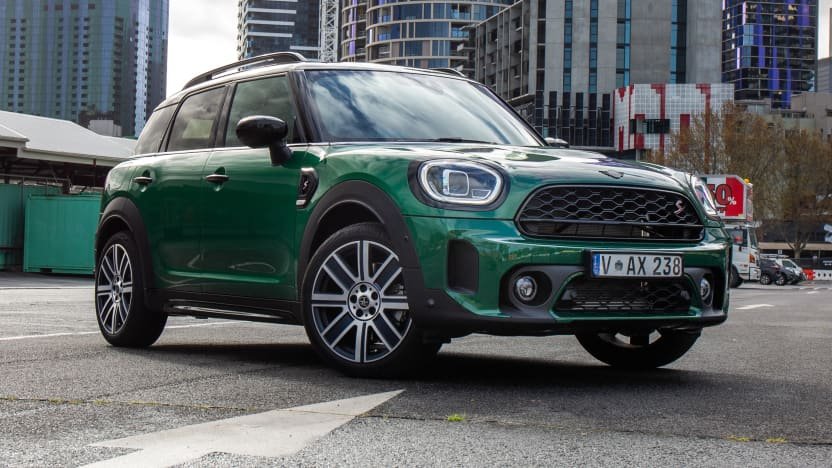
All but four Mini model variants have sold out in Australia for the rest of 2022 – and buyers ordering any of the 39 other models may be faced with wait times of up to 12 months.
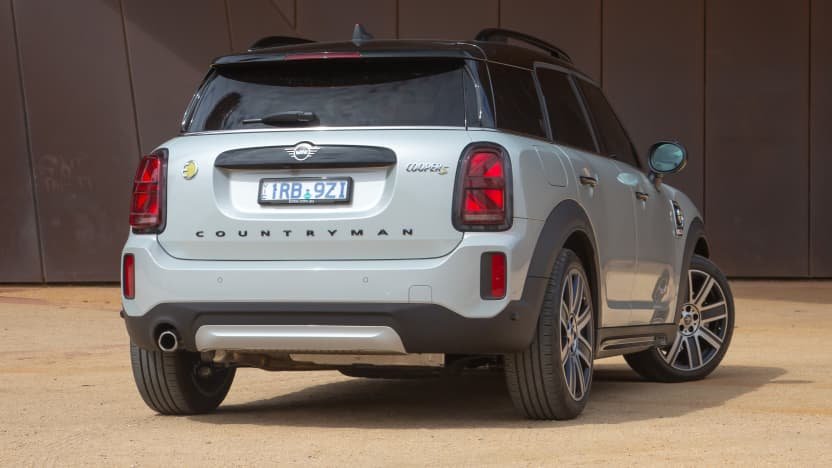
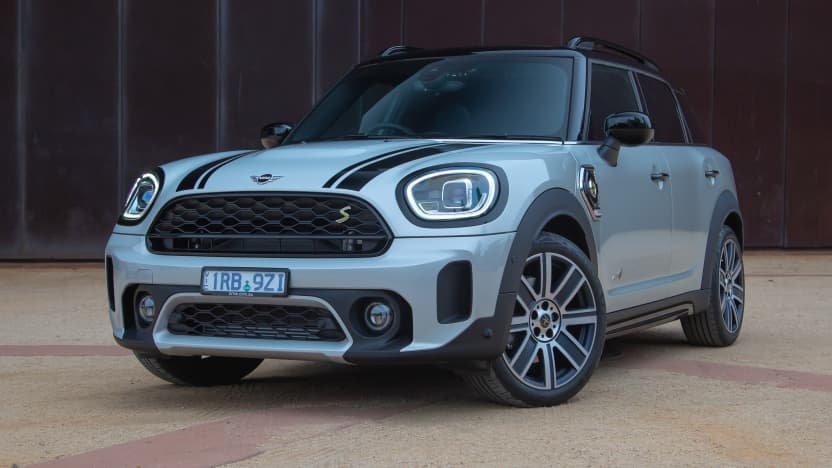
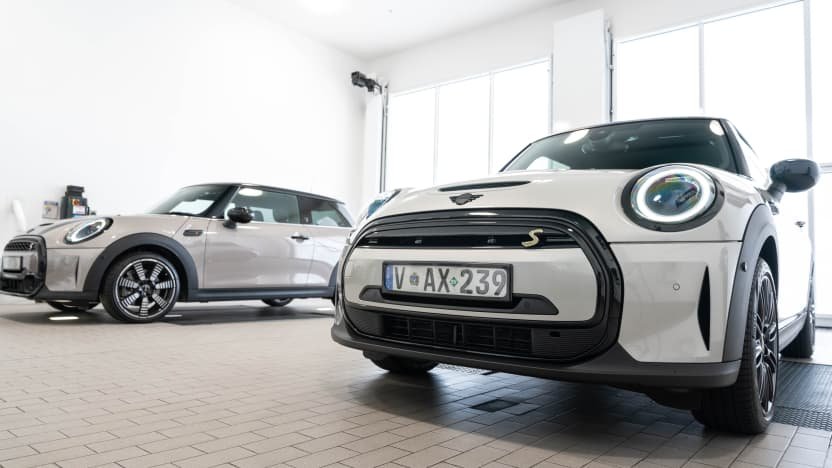
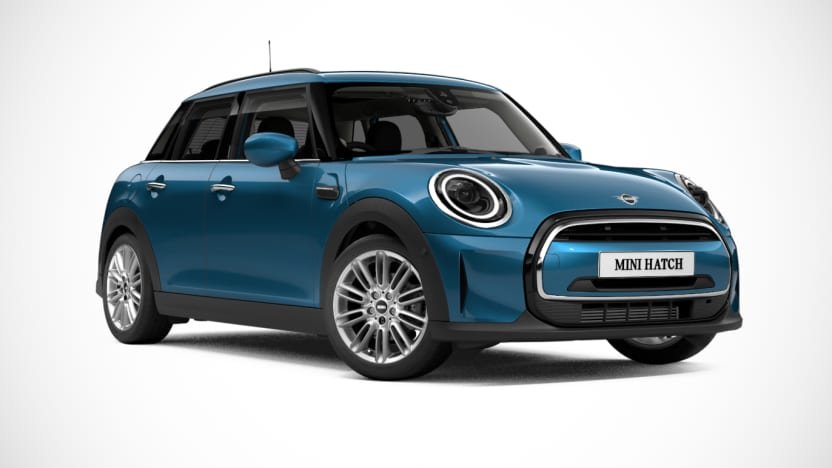
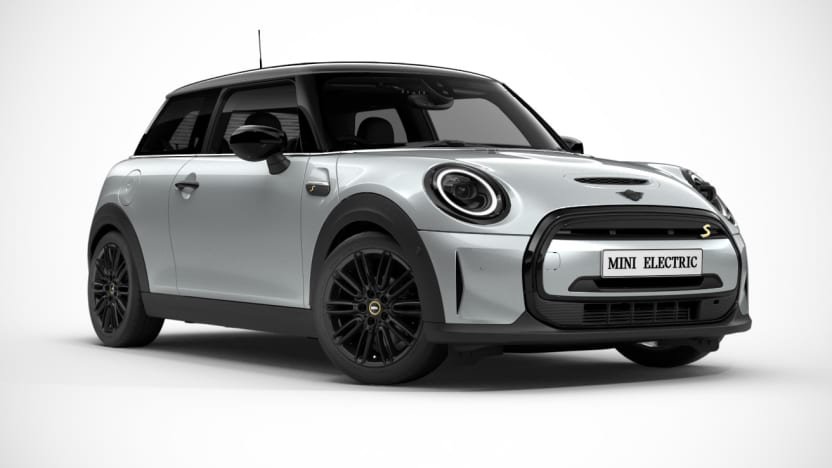
Amid the semiconductor constraints and a shortage of wiring harnesses due to the Russia-Ukraine conflict, only four Mini models will be available for delivery for the rest of 2022: the five-door Cooper Classic Plus hatch, three-door Cooper SE Mini Yours electric hatch, Countryman Cooper S Mini Yours and Countryman Hybrid Mini Yours.
Dealers canvassed by Drive say the earliest production slots for any other Mini models ordered today are due about February or March 2023, for delivery between April and June – placing wait times among the longest in the industry, at up to a year.
Meanwhile, wait time estimates given by Mini dealers for the four remaining 2022 vehicles range three or four months, to the final weeks of this year (six or seven months).
While four models can currently be ordered, built and delivered before the end of this year, they will not be offered with certain luxury features – likely a result of the ongoing semiconductor shortage, which has seen other brands remove features from vehicles.
The Countryman Cooper S and Hybrid Mini Yours lose their head-up displays and electric tailgates, while the Cooper Classic Plus five-door no longer offers DAB digital radio – but, oddly, gains a head-up display.
The Cooper SE electric hatch loses its head-up display and adaptive cruise control, according to dealer information, with a Harman Kardon sound system also in danger (though there’s no definitive answer on whether this has been culled).
Buyers looking for vehicles with the aforementioned deleted features fitted will need to wait until next year, dealers say, when the items are expected to return as standard equipment – barring any new supply constraints.
Pricing for the four de-specified 2022 models has not been disclosed publicly, however Mini dealers surveyed by Drive reported price reductions on some of the models of upwards of $1000.
Mini Australia has been contacted for comment, but did not respond in time for publishing. This story will be updated with the brand’s response.
Like a host of other European manufacturers – including sister brand BMW – Mini has been hit hard by Russia’s invasion of Ukraine, where wiring harnesses – the electrical ‘veins’ of new cars, and needed to power their advanced electronics – are manufactured.
Production at Mini’s plant in the Cowley region of Oxford, UK has hit the brakes multiple times in recent months – including a five-day pause in February – due to the ongoing semiconductor shortages.
Mini joins a long list of brands – led by its parent BMW, and its German rival Audi – which have turned to removing features from vehicles to keep production lines rolling amid the current shortages.
In most cases, these items have included head-up displays, wireless charging pads and premium sound systems, however some brands – including BMW, Citroen and Skoda – have stripped blind-spot monitoring and other advanced safety features from various models.
Cars have played a central role throughout Alex’s life, from flicking through car magazines as a young age, to growing up around performance vehicles in a car-loving family.
Read more about Alex Misoyannis 
[bsa_pro_ad_space id=15]