
[bsa_pro_ad_space id=14]
Lotus, the legendary race car manufacturer turned sports car maker, unveiled the Evija earlier this year, its first all-electric car and, at the same time, its first hypercar and first AWD road-going model. The luscious beast features four electric motors, one behind each wheel, combining for a mind-boggling (and Pininfarina-beating) output of 1,971 horsepower, making it the fastest British hypercar. While a first in many aspects, it’s actually not the first Lotus where the power reaches all four wheels.
When the Evija was unveiled, showcasing Chinese giant Geely’s clear intention to revive the brand and make it more profitable than ever, most of the automotive world took a step back in awe but not everybody was as impressed by the $2.3 million car that will be built in a limited run of 130 units. We were among the skeptics, questioning whether or not the Evija is a clever way for Lotus to increase its revenue by building something it has never built before. We’ve also questioned the sudden move from ICE-powered cars to EVs without prior introduction of any hybrid model. But one area where Lotus does have some past experience is that of four-wheel-driven cars.
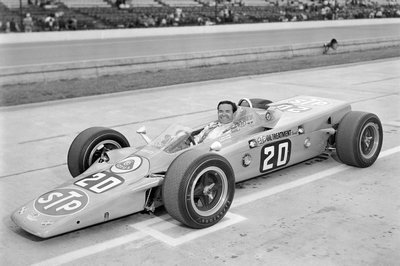
Back in the ’60s, when teams were racing on track to win races and off-track to build the cars capable to win those races, Lotus thought it could come up with a more maneuverable car than everybody else and that’s when the idea of having a system that would dispatch power to all four wheels instead of just two emerged. Sure, it’s nothing like the AWD technology on the Evija but, at least, Lotus can say it did build such cars in its storied past.
[bsa_pro_ad_space id=15]