
[bsa_pro_ad_space id=14]
The new Chinese-built electric SUV represents an ideological departure for the brand made famous by its lightweight sports cars.

 0
0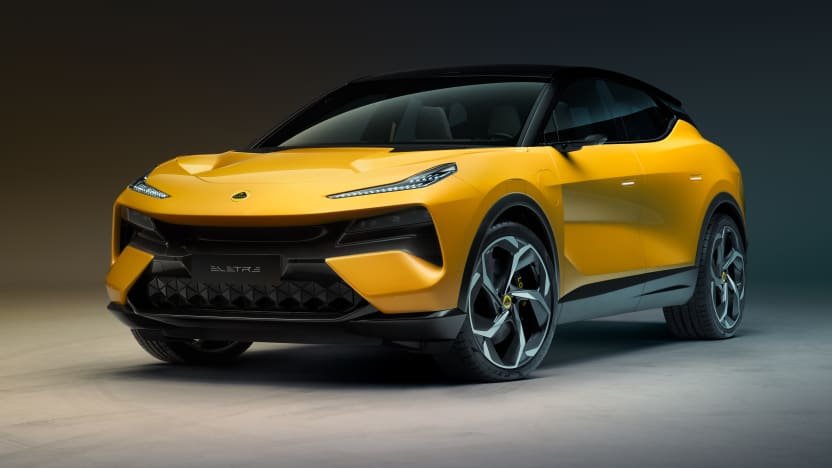
The upcoming Lotus Eletre will tip the scales at “just under two tonnes,” Drive understands.
While falling below many previous estimates, this still makes the new electric SUV more than twice the weight of a Lotus Elise roadster.
It’s approximately three times the weight of a Lotus Elan, and four times that of the original 1957 Lotus Seven, now sold by the Caterham name.
Some fans of the British brand have been critical of its decision to deviate from a lightweight sports car philosophy.
However, Lotus maintains it needs to diversify its range and increase mass appeal to justify continued production of halo models.
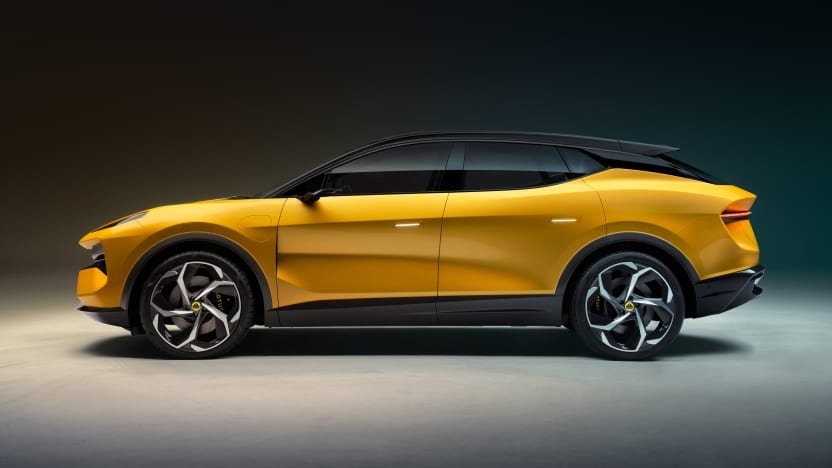
Speaking at a media event this week, Lotus Cars managing director Matt Windle revealed a new chassis and interior helped keep weight down.
“The car is around just under two tonnes, so compared to a standard [Geely SUV] it’s probably 200 to 500 kilos lighter.”
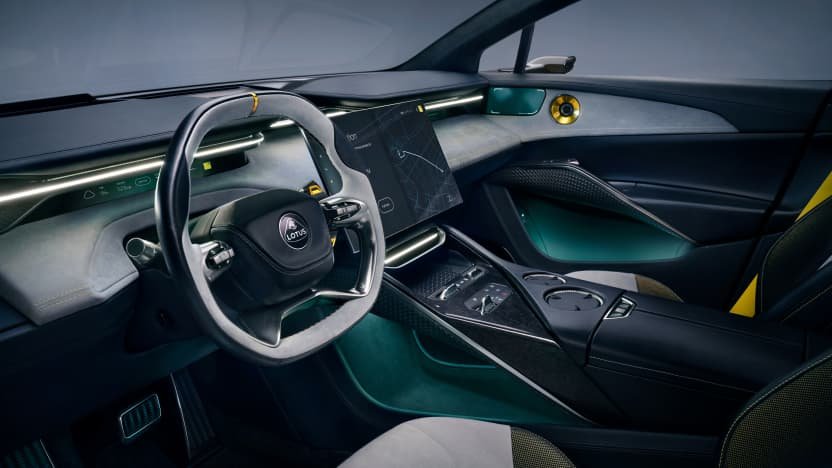
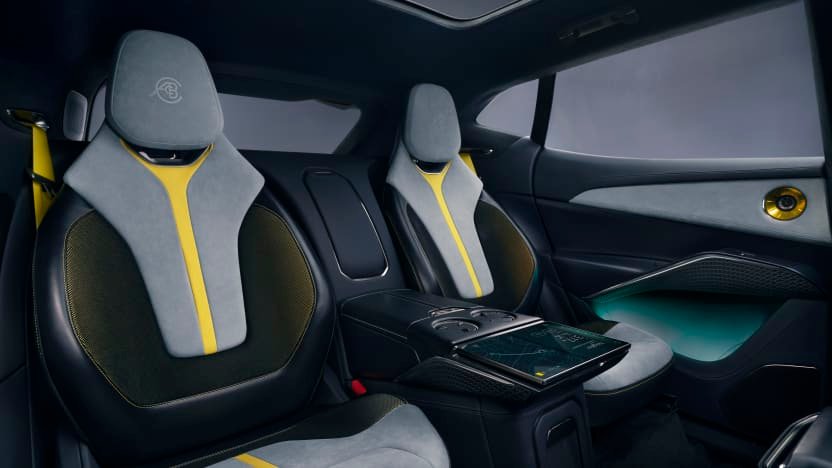
“It’s not just in the in the chassis … An [interior] wool woven mix is about half the weight of leather.
“Holes are also all through the car, in the wheel arches and the bonnet … As [founder Colin] Chapman said, ‘nothing is as light as a hole.’”
However, Mr Windle conceded this many vary: “It depends on how you spec it – if everybody has it loaded, it’s more [than two tonnes].”
According to the brand, the Eletre will help it boost sales by a whopping 5700 per cent by the end of 2028 – albeit from a very low base.
Dual motors in the SUV will send at least 447kW to all four wheels via a single-speed transmission in standard trim, with more powerful models expected.
This will permit a claimed 0-100km/h sprint time of “less than three seconds,” on the way to a top speed of 260km/h.
A driving range of 600km between charges on Europe’s WLTP test cycle is targeted by the marque, but yet to be finalised.
According to the brand, the new Eletre is set to be capable of autonomous driving before the end of this year.
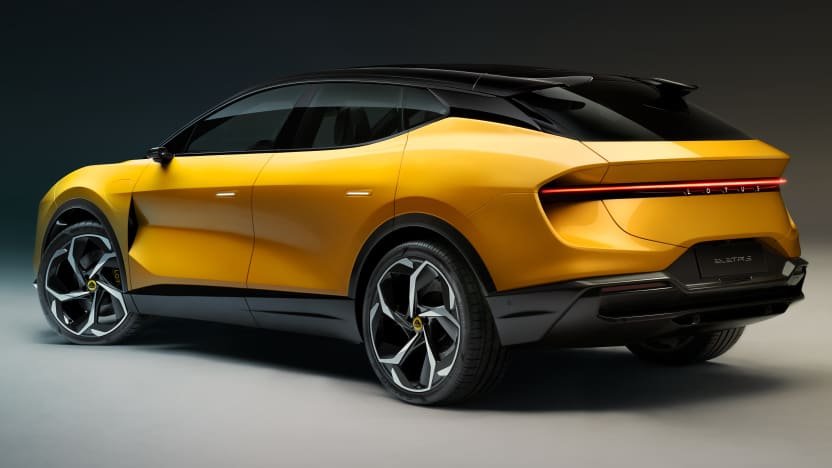

Simply Sports Cars – the local distributor for Lotus – has confirmed it plans to offer the Eletre in Australia.
“At the moment it is our intention … obviously subject to ADR compliance,” a spokesperson told Drive earlier this year.
The 2022 Lotus Eletre will be built in China by parent company Geely from the second half of this year.
The first deliveries in the UK are promised next year, while Australian examples are likely to arrive in 2024.
Overseas reports suggest pricing for the entry-level variant will start “under £100,000 ($AU170,000)” in the UK.

He has maintained a primary focus on industry trends, autonomous technology, electric vehicle regulations, and local environmental policy.
As the newest addition to the Drive team, William was brought onboard for his attention to detail, writing skills, and strong work ethic.
Despite writing for a diverse range of outlets – including the Australian Financial Review, Robb Report, and Property Observer – since completing his media degree at Macquarie University, William has always had a passion for cars.
Read more about William Davis 
[bsa_pro_ad_space id=15]