
[bsa_pro_ad_space id=14]
The chief technology officer at German car giant Mercedes-Benz believes we could see hands-free, eyes-free vehicles on the road by 2030 – but we’ve heard this promise before.


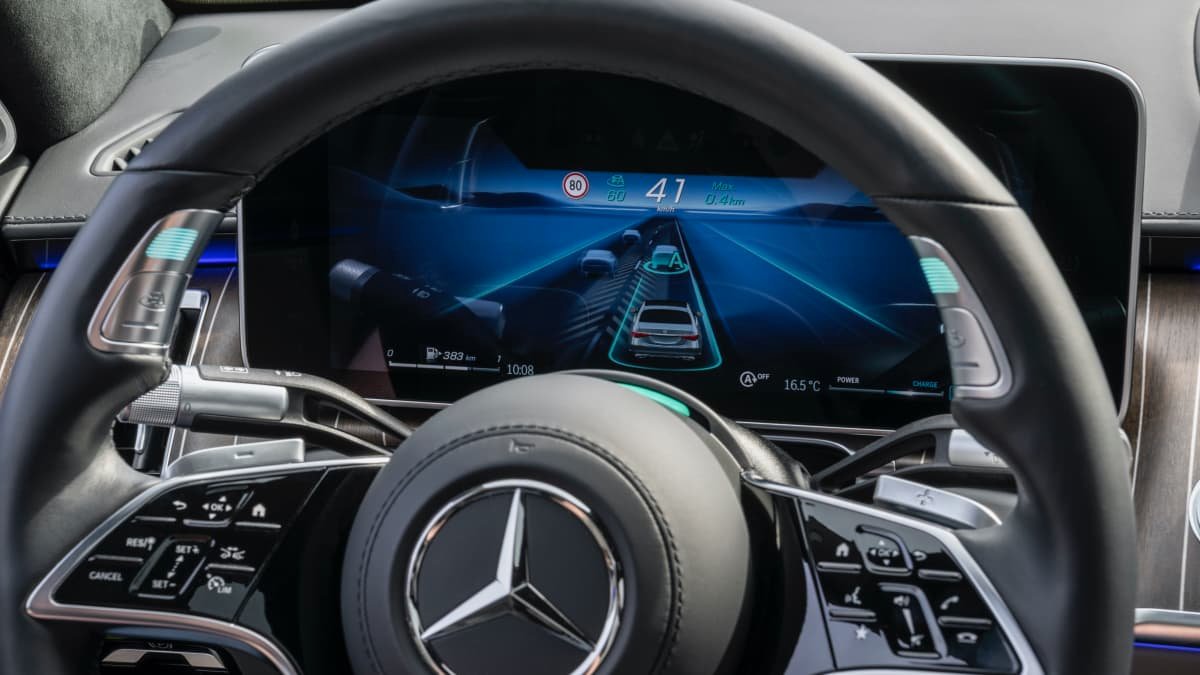
The rollout of advanced ‘Level Four’ autonomous driving technology – industry terminology for hands-free and eyes-free motoring – is “doable” by the end of this decade, according to a senior executive at Mercedes-Benz.
During a media event in California last month, the chief technology officer of Mercedes-Benz, Markus Schäfer, told journalists advanced self-driving capabilities are “absolutely” achievable in the near future and could help combat congestion in cities.
“Privately-owned ‘Level Four’ cars, absolutely. This is something that I see in the future,” Mr Schäfer said, according to a report by industry journal Automotive News Europe.
“Just imagine you are in a big city, and you come from work, and you are sitting for two hours in traffic, and you press the button and go to sleep. There will be a demand for that.”
According to the definitions established by the car industry, ‘Level Four’ autonomous driving technology requires no driver interaction to function in most conditions, in theory allowing occupants to sleep, work or conduct other activities while in motion.
The Mercedes version of ‘Level Three’ autonomous driving – which prompts the driver to intervene in certain situations – is already approved for use on public roads in Germany and the state of Nevada in the United States.
Known as Drive Pilot, the system has been offered as an optional extra on Mercedes-Benz S-Class and EQS models sold in Germany since May 2022.
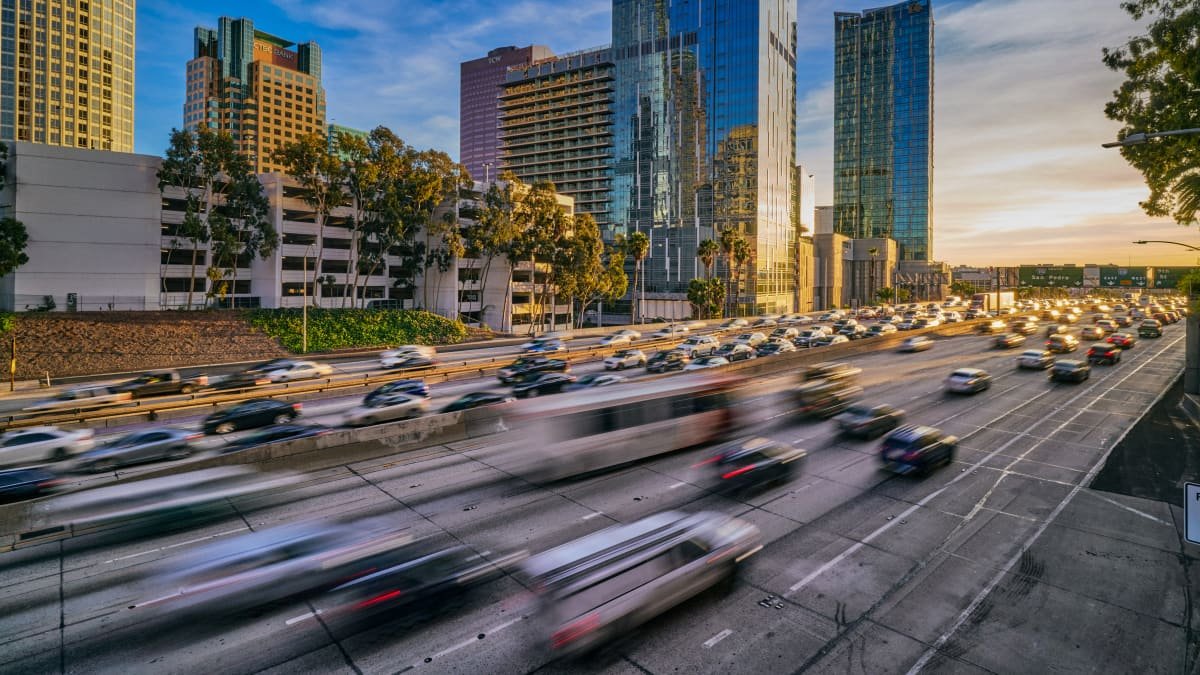
Drive Pilot is capable of managing the car’s speed, braking and steering and is approved for use at speeds of up to 60km/h.
“Drive Pilot enables customers to hand the driving task over to the system under certain conditions in heavy traffic or congestion situations on suitable motorway sections in Germany up to a speed of 60 km/h,” a May 2022 statement from Mercedes-Benz said.
“For customers, this means … they can relax, or work and win back valuable time.”
If the system malfunctions, the driver will receive a takeover request. If the driver does not respond to this request within 10 seconds, the car will come to a stop.
Although electric car-maker Tesla offers what it calls ‘Full Self-Driving’ technology on its vehicles, this technology is only classified as ‘Level Two’ autonomy – requiring drivers to keep their hands on the wheel and maintain constant attention and supervision.
And Tesla has been banned by regulators in some countries from using the term ‘Full Self-Driving’ because it encourages drivers to place an over-reliance on the technology.
Last month, the National Highway Traffic Safety Administration (NHTSA) in the US issued a recall for 363,000 Tesla cars equipped with the semi-autonomous driving system after finding the technology presents an unreasonably high risk of a crash.
Susannah’s background is news journalism, followed by several years spent in celebrity journalism, entertainment journalism and fashion magazines and a brief stint hosting a travel TV show for Channel Ten. She joined Drive in 2020 after spending a year and a half at the helm of Harper’s BAZAAR and ELLE’s online platforms.
Susannah holds a Bachelor in Media and Communications from the University of Melbourne and cut her teeth as an intern for Time Inc in New York City. She has also completed a television presenting course with the National Institute of Dramatic Art. She lives in Melbourne with her husband and her one-year-old son who, despite her best efforts, does not yet enjoy a good road trip.
Read more about Susannah Guthrie
[bsa_pro_ad_space id=15]