
[bsa_pro_ad_space id=14]
Japanese marque to drop combustion engines globally by 2040, with more immediate targets set in key markets – though Australian plans remain unclear.
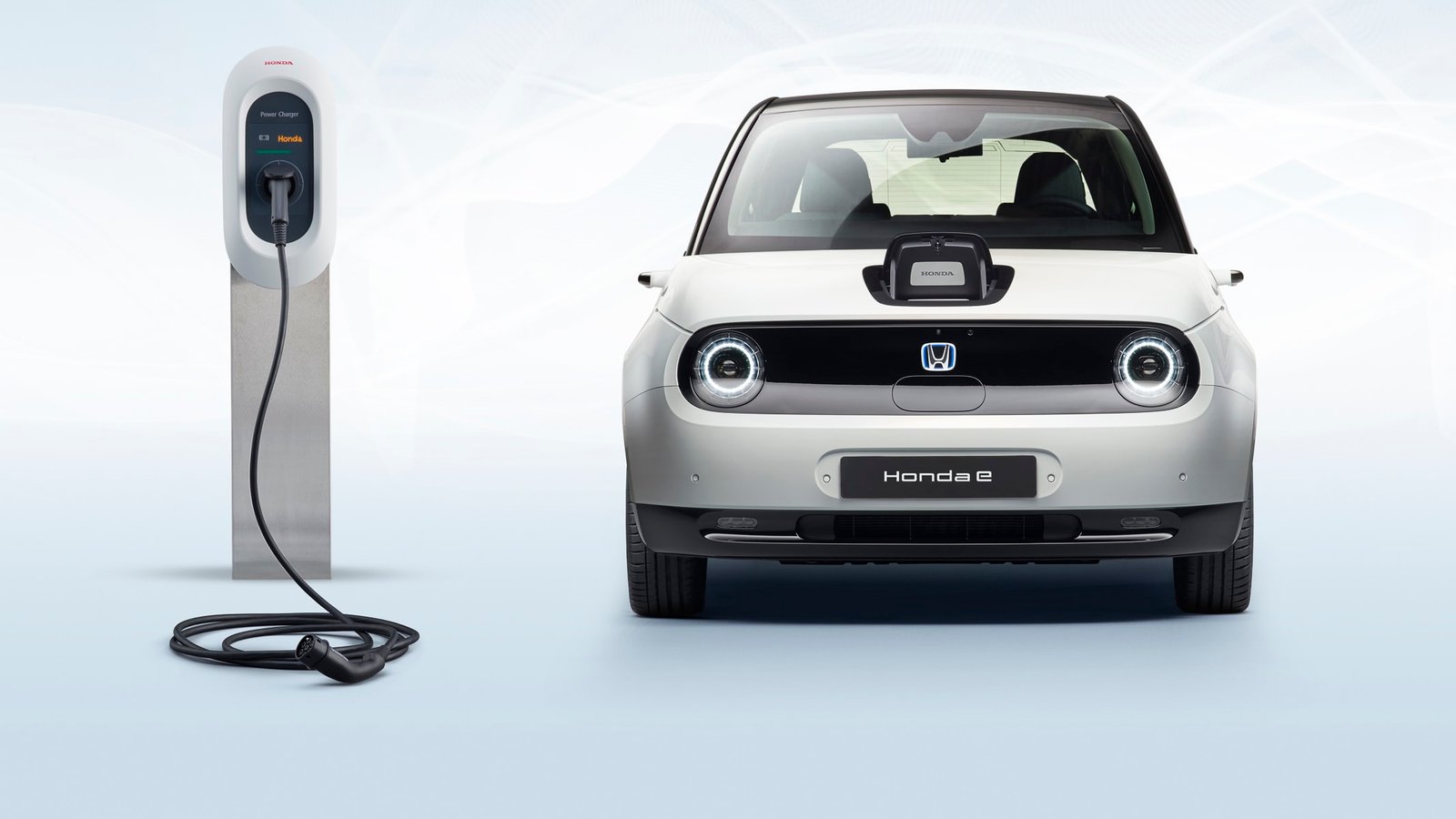
Honda has committed to ceasing production of petrol and diesel engines globally by 2040, as part of a new brand-wide electrification strategy.
40 per cent of Honda sales in “all major markets of electrification” will be made up of all-electric (EVs) and hydrogen fuel-cell electric vehicles (FCEVs) by 2030, increasing to 80 per cent in 2035, ahead of the 100 per cent target set for 2040 – though only the lattermost deadline applies globally, with Australia included.
Key to meeting its targets is an array of new Honda electric vehicles due over the coming years, led by two “large-sized” electric vehicles co-developed with General Motors, and underpinned by the American car giant’s Ultium battery architecture.
Confirmed to launch for Model Year 2024 (roughly spanning May 2023 to May 2024), the EV pair will be split across the mainstream Honda and luxury Acura brands – though only the former could come to Australia, given the Acura marque isn’t offered locally.
10 electric Honda models will launch in China within five years – headlined by a production version of the recently-revealed SUV e:prototype concept, due on sale in the northern spring of 2022 (March to May inclusive) – while a kei-sized compact city car will launch in Japan in 2024.
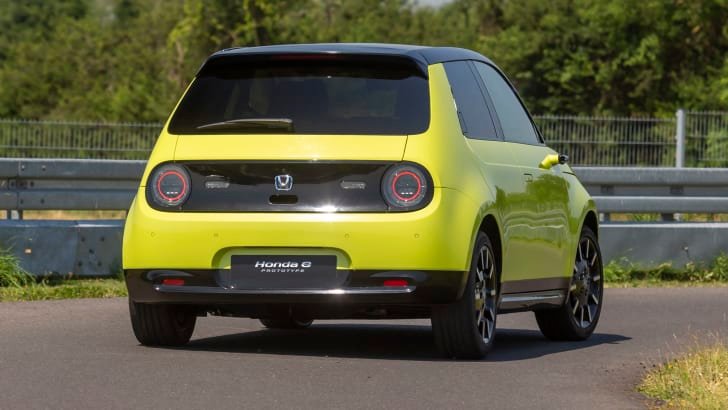
Above and top: Honda E electric vehicle.
The second half of the 2020s will see the introduction of a “series” of new electric vehicles based on an all-new, electric-only ‘e:Architecture’ platform developed in-house, with the cars riding on the architecture to launch first in the US, followed by “other regions”.
100 per cent of Honda’s Japanese sales will be electrified by 2030, featuring either hybrid, plug-in hybrid, all-electric or hydrogen fuel-cell power – though only 20 per cent of the units shifted will not feature a combustion engine.
Honda’s European arm will only offer electrified models by the end of 2022.
The Japanese brand targets carbon neutrality across all of its operations by 2050 (including motorcycles and manufacturing), with “zero traffic collision fatalities” planned for the same time.
On the autonomous front, Honda aims to fit “omnidirectional advanced driver-assistance systems” – in other words, its Honda Sensing active safety suite – to all new vehicle models and variants it introduces in “developed countries” by 2030, with Level Three semi-autonomous technology to be rolled out across additional models, joining the Legend sedan announced late in 2020.
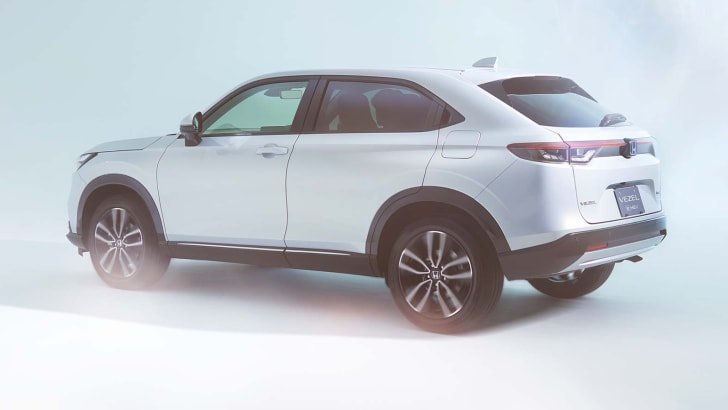
Above: Honda HR-V Hybrid.
The Cruise Origin autonomous electric mobility vehicle – co-developed between Honda, General Motors and the latter’s autonomous subsidiary Cruise – will be introduced in Japan around the middle of the decade.
Around five million yen (AU$60 billion) will be invested in research and development over the next six years.
As for how Honda’s announcement applies to Australia: the 2040 zero-emissions vehicle promise is valid in our market, however it remains to be seen which of the Japanese brand’s electric-powered and hydrogen-fuelled vehicles will make their way to Australia.
Honda doesn’t currently offer an electric vehicle in Australia, however the brand’s move to an agency sales model locally means there’s a chance the city-sized Honda E hatchback could make its way Down Under in time – though nothing has been officially confirmed.
MORE: Everything Honda
Honda to go electric and hydrogen only by 2040, Australia included
[bsa_pro_ad_space id=15]