
[bsa_pro_ad_space id=14]
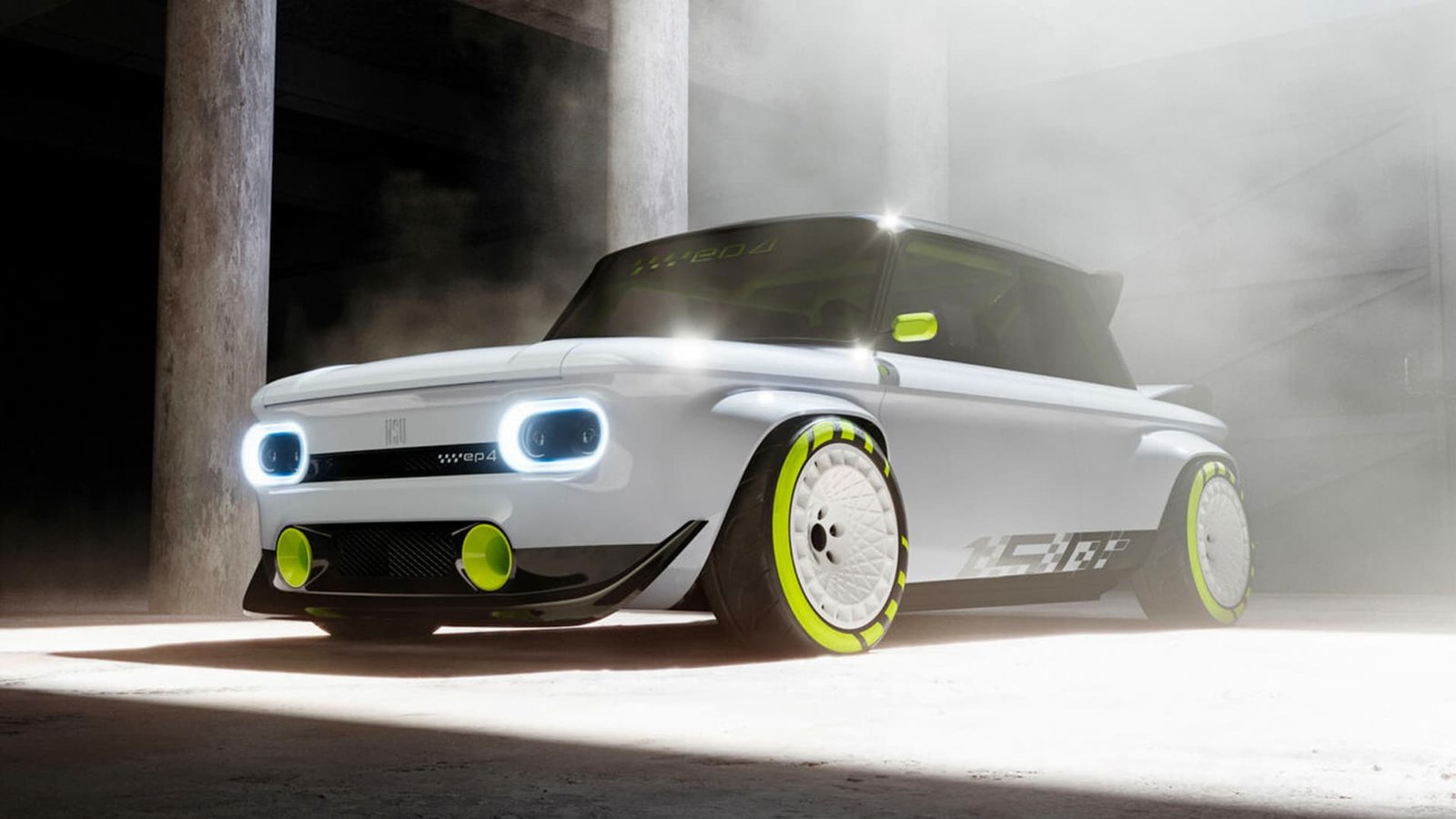
Trainee Audi engineers have drawn on 150 years of manufacturing history to create a wild EV based on a 1971 NSU Prinz 4


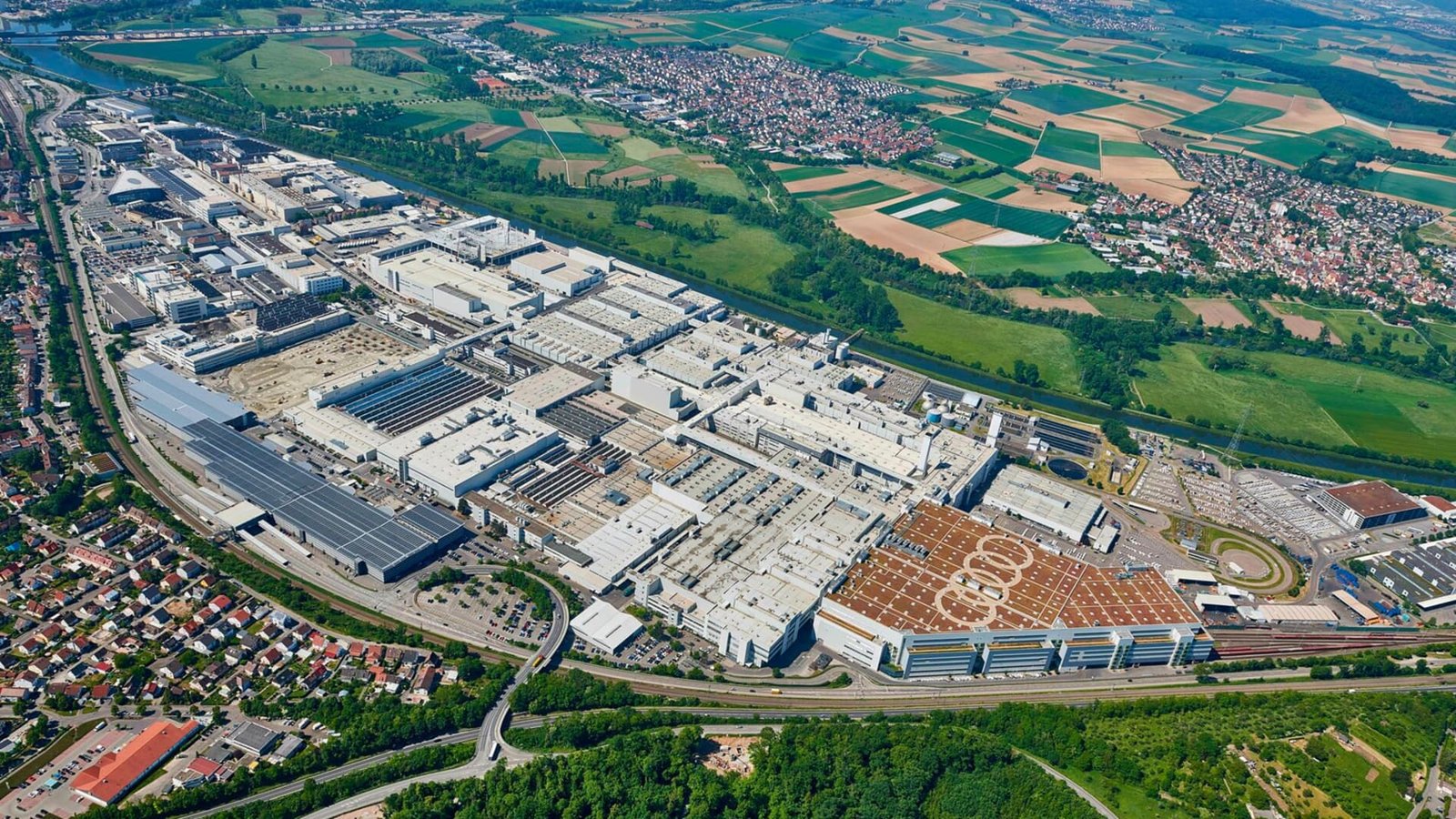
Audi’s Neckarsulm factory facility, about 60 kilometres north of Stuttgart in Germany, is celebrating 150 years of manufacturing this year. The site commenced the production of knitting machines in 1873.
Over the years, the site has seen the construction of bicycles, motorcycles and of course cars, the latter of which have been built under numerous nameplates from Audi’s history for over 100 years.
To celebrate this milestone, a team of trainee Audi engineers have created a one-off machine that blends the best of Audi’s current technology with a name from the past, NSU.
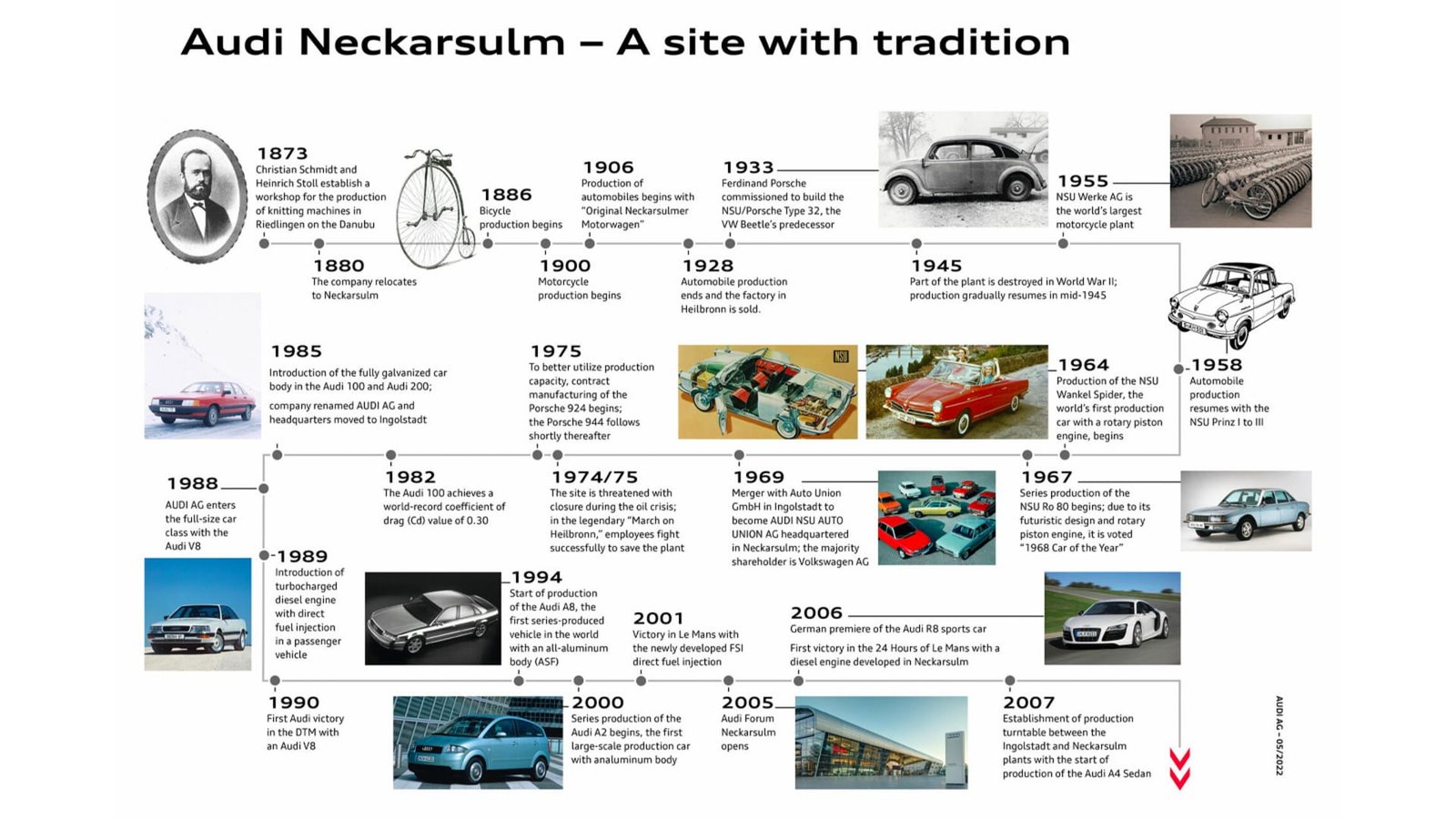
Founded in 1873, NSU Motorenwekren originally built knitting machines but transitioned to bicycles in 1886, motorcycles in 1901 and then cars in 1905. The company went through some challenging times both pre-and post-World War II, but in 1957 launched the Prinz, a small car with a motor created from a pair of motorcycle engines.
The Prinz evolved slightly between 1958 and 1962, but in 1964 spawned a coupe derivative designed by Bertone as well as a whole new generation compact car, the Prinz 4 and larger Prinz 1000.
This two-door, rear-engined, compact sedan was a sales success, and nearly 600,000 (576,619) Prinz 4s and 196,000 Prinz 1000s were built at Neckarsulm between 1963 and 1973.
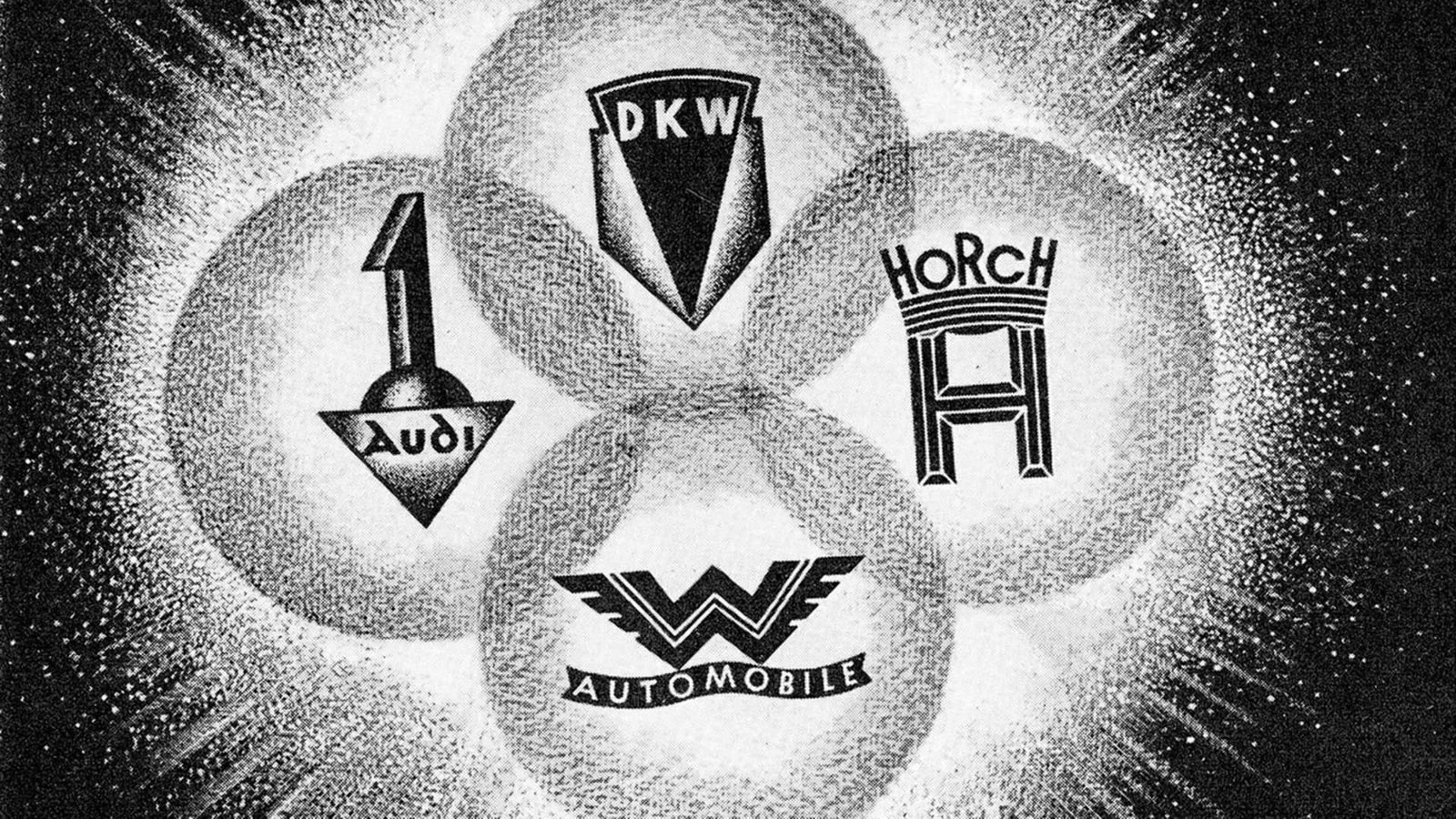
When the Prinz production ended, it also signified the end of NSU. Volkswagen purchased the company in 1969 and merged it with Auto Union (itself an amalgam of Audi, Horch, DKW and Wanderer – hence the four rings) to create the Audi brand we know today.
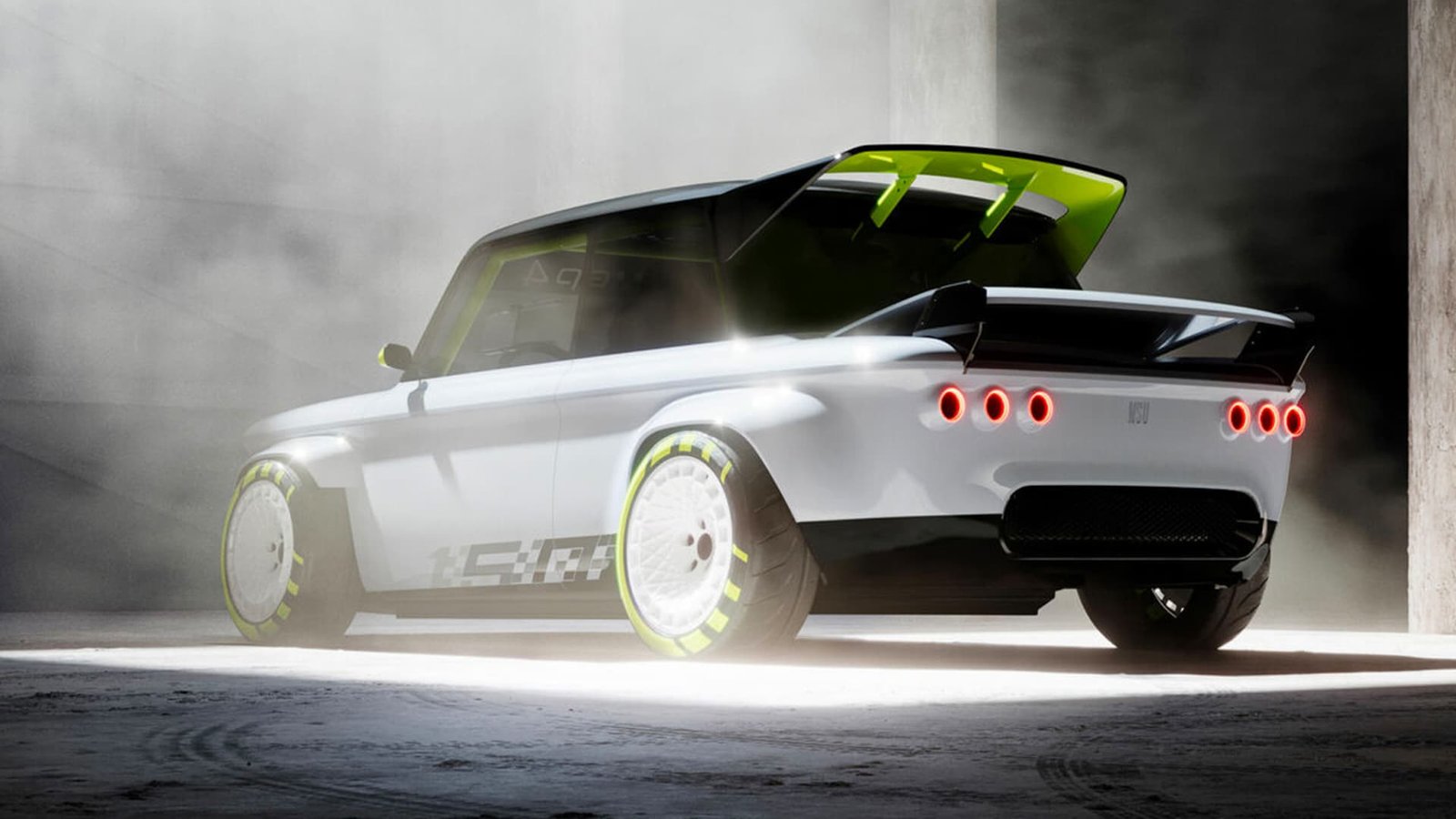
It’s this storied history that encouraged the Audi engineers to take a 1971 NSU Prinz 4, restore and modify the body, but swap the 22kW two-cylinder petrol engine for the 176kW electric motor from an Audi e-tron SUV, paired with the 17.9kWh battery pack from an Audi Q7 plug-in hybrid.
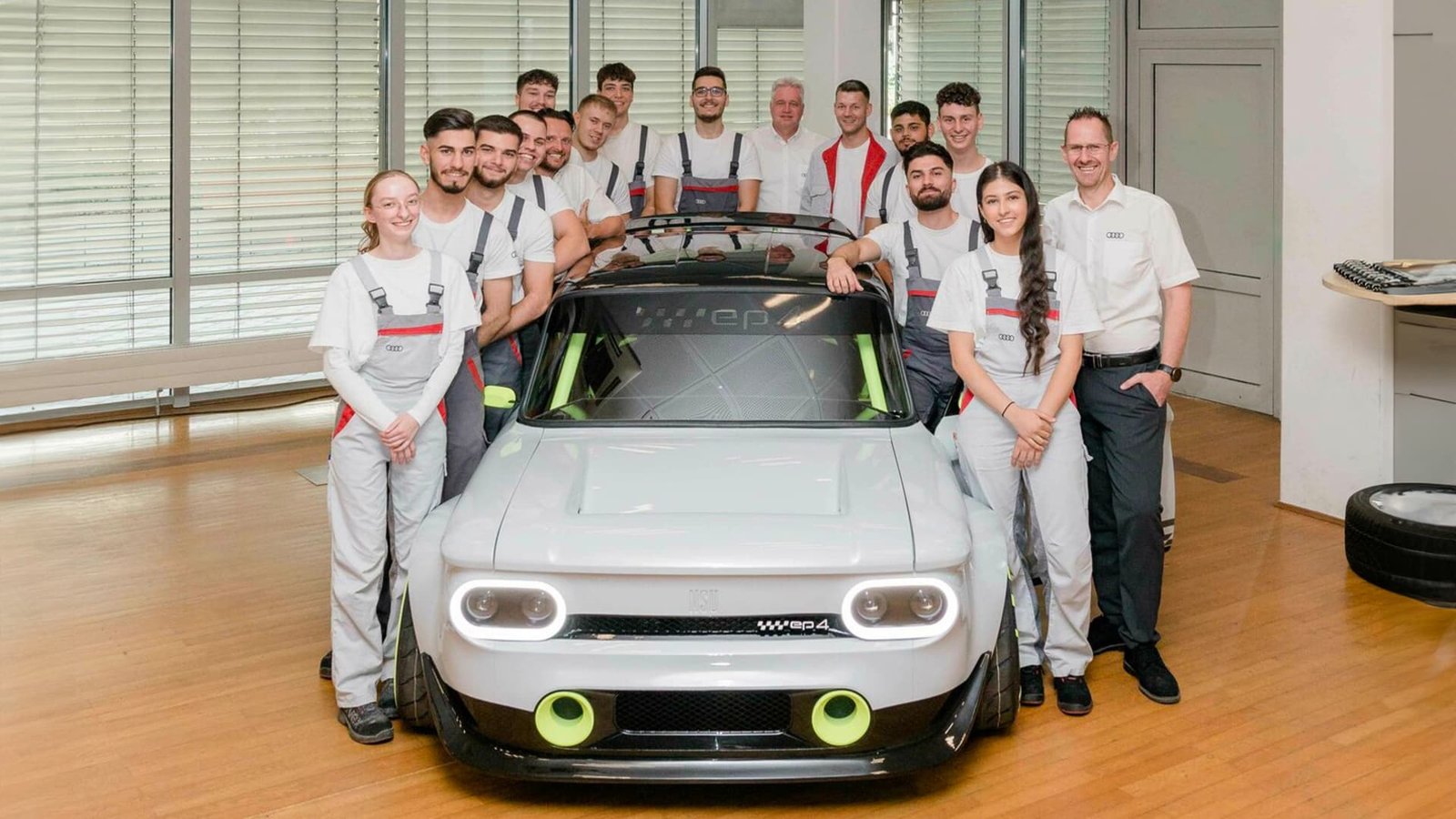
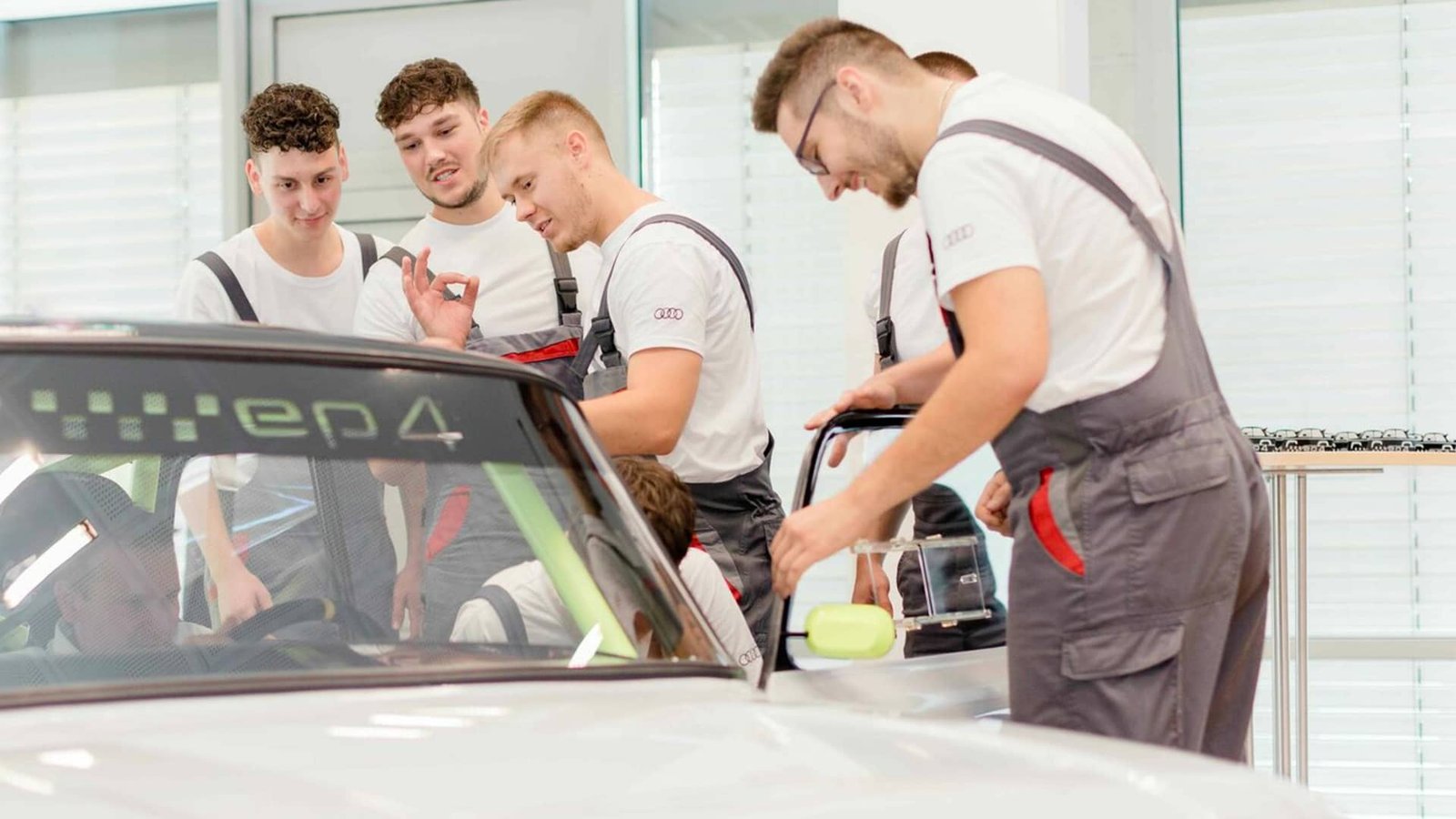
Called the EP4 (Electric Prinz 4), the concept Prinz was not only built to celebrate the factory site’s history but to showcase the skills of a team of twelve young engineers.
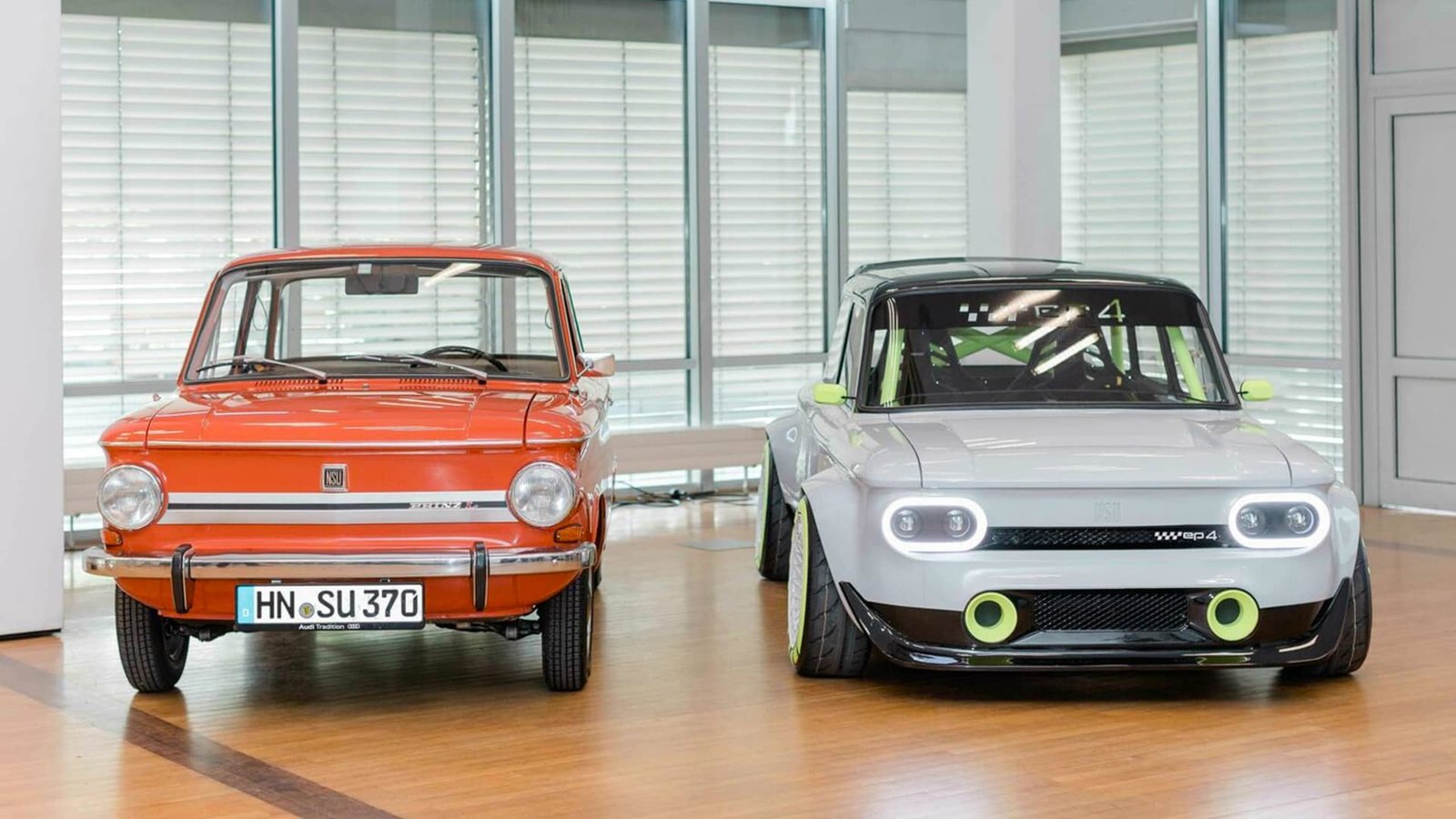
The project took over six months to complete and required some traditional rust-repair metal work on the 52-year-old body, as well as the positioning of the battery under the front bonnet (where the Prinz’s fuel tank originally sat), and the motor behind the passenger cell.
A host of other traditional features, including the style of the Prinz’s lamps, have been modernised (with LED units), and while the car is lower and wider than the original, it still maintains the recognisable and historic silhouette.
Today, the Neckarsulm factory is responsible for the production of Audi A4, A5 Cabriolet, A6, A7, and A8.
Read more about Drive Team
[bsa_pro_ad_space id=15]