
[bsa_pro_ad_space id=14]
Subaru Japan has announced autonomous emergency braking and other missing, potentially life-saving advanced safety features are bound for its manual transmission cars from later this year.


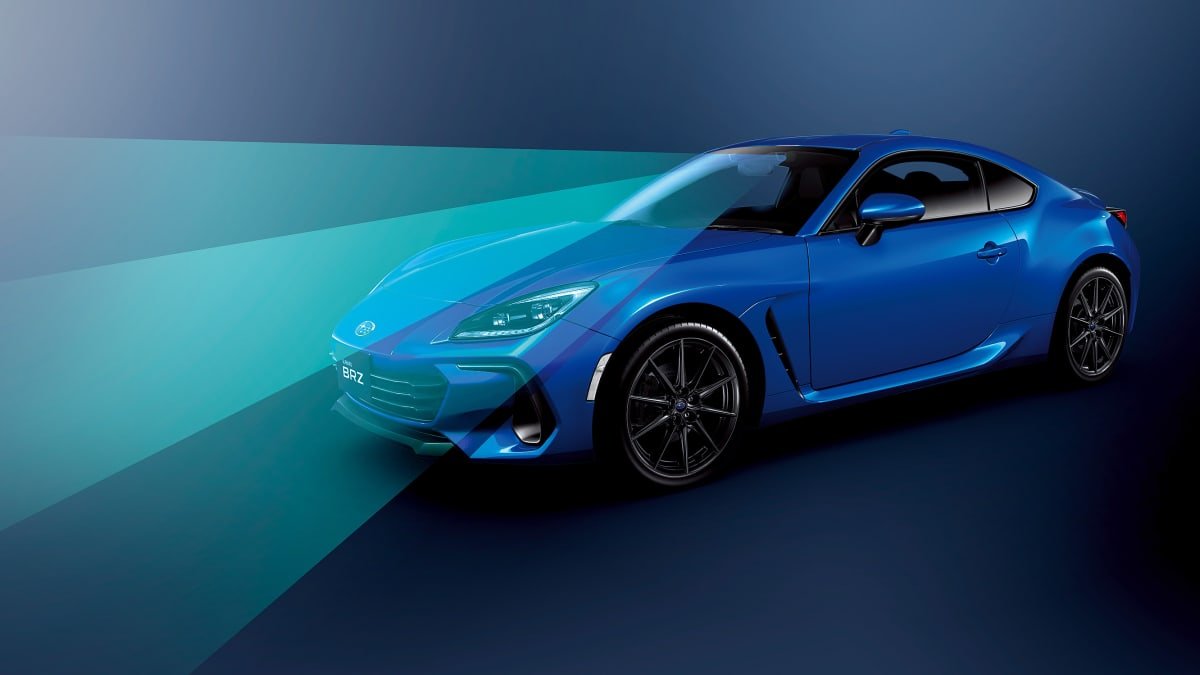
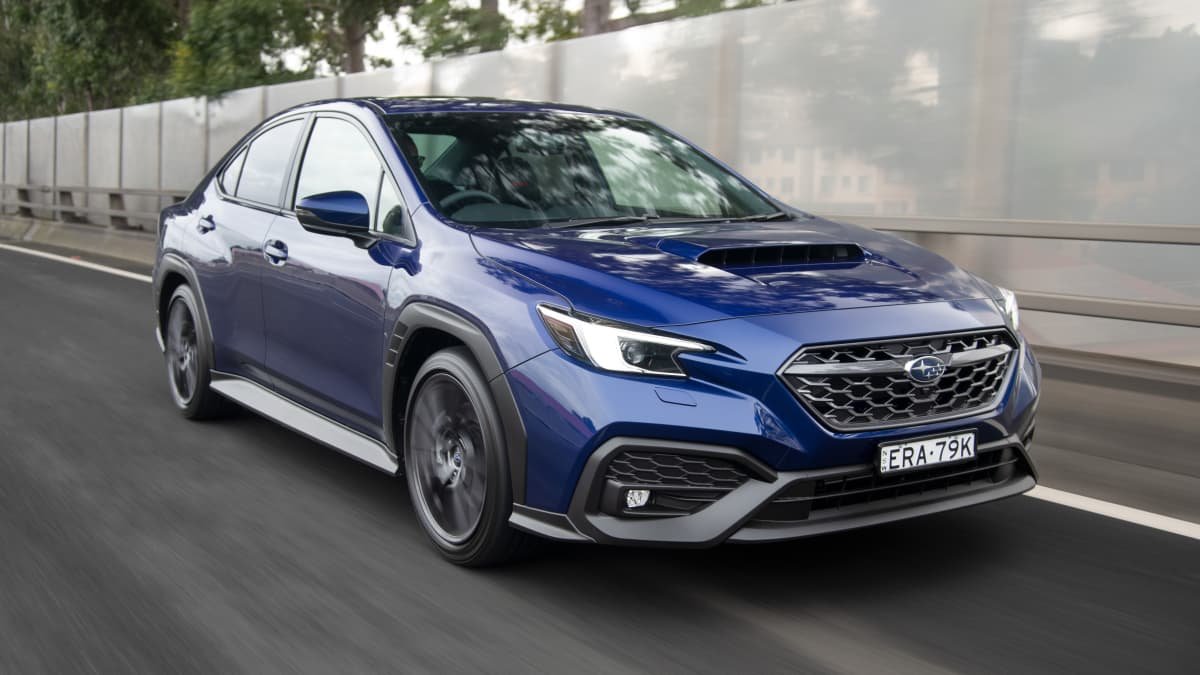
Advanced safety technology for manual transmission versions of the Subaru BRZ sports coupe and Subaru WRX performance sedan is a step closer to Australian showrooms after it was announced in Japan today.
Drive was first to report on plans to bring autonomous emergency braking (AEB) – which becomes mandatory for new passenger vehicles next year – to the manual BRZ and WRX later this year, after it was exclusive to the automatic versions when the latest models launched last year.
Reversing an odd mis-step for a brand that has worked to established a reputation for safety, Subaru has confirmed AEB will be added to the manual BRZ in Japan in the northern autumn of 2023 (September to November), as part of a wider suite of advanced safety technology.
Timing for its introduction on the Subaru WRX manual is yet to be finalised.
Drive has contacted Subaru Australia for an update on local arrival timing for the safety technology.
The manual BRZ will benefit much of the same Subaru ‘EyeSight’ safety suite as the automatic, which includes autonomous emergency braking, adaptive cruise control, lane-departure warning, rear collision warning, and a system alerting distracted drivers when the car in front at the traffic lights drives away.
These features are in addition to blind-spot monitoring and rear cross-traffic alert, which were already standard on all Subaru WRX and BRZ models.
Autonomous emergency braking – which is standard on $20,000 city hatchbacks and $30,000 work utes, including manual versions – will become a legal requirement for all new passenger vehicles sold in Australia from March 2025.
It was mandated for newly-introduced vehicles in Australia in March 2023. The WRX and BRZ beat this deadline as they were introduced in January and April 2022 respectively.
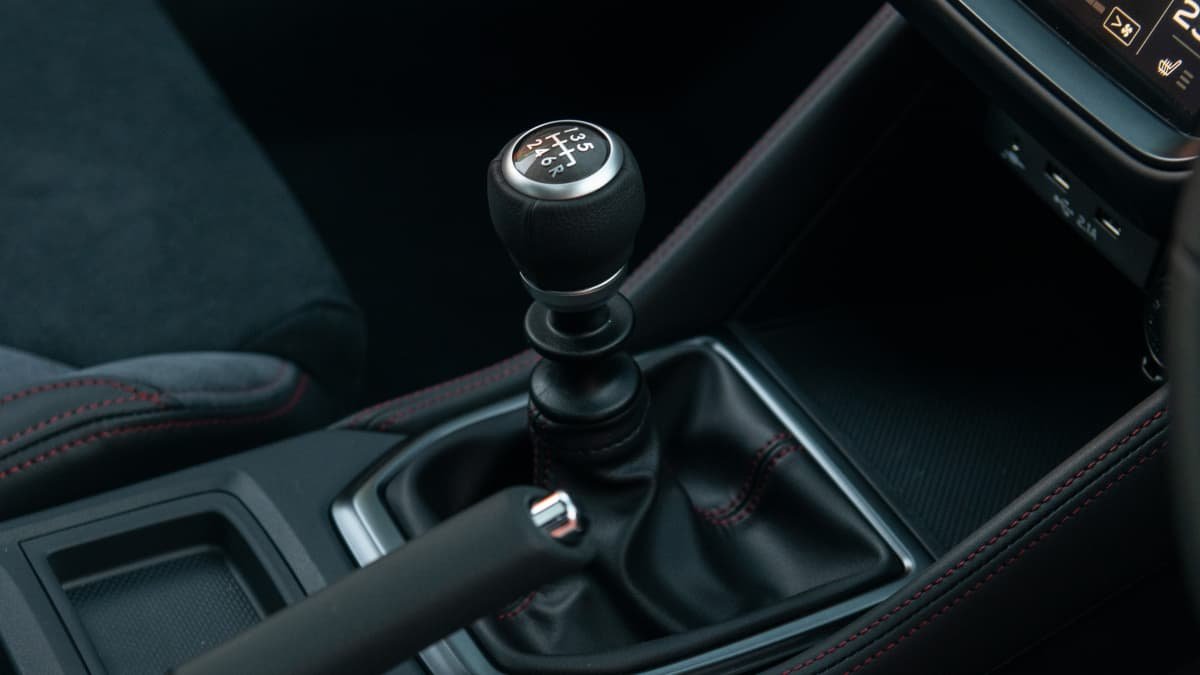
The manual WRX and BRZ account for about 30 to 40 per cent of the sales mix, Drive has previously reported.
Cars have played a central role throughout Alex’s life, from flicking through car magazines at a young age, to growing up around performance vehicles in a car-loving family.
Read more about Alex Misoyannis
[bsa_pro_ad_space id=15]