
[bsa_pro_ad_space id=14]
Japanese auto giant Toyota has admitted to modifying vehicles destined to be crash tested – less than a year after its truck division Hino was busted falsifying emissions testing data.


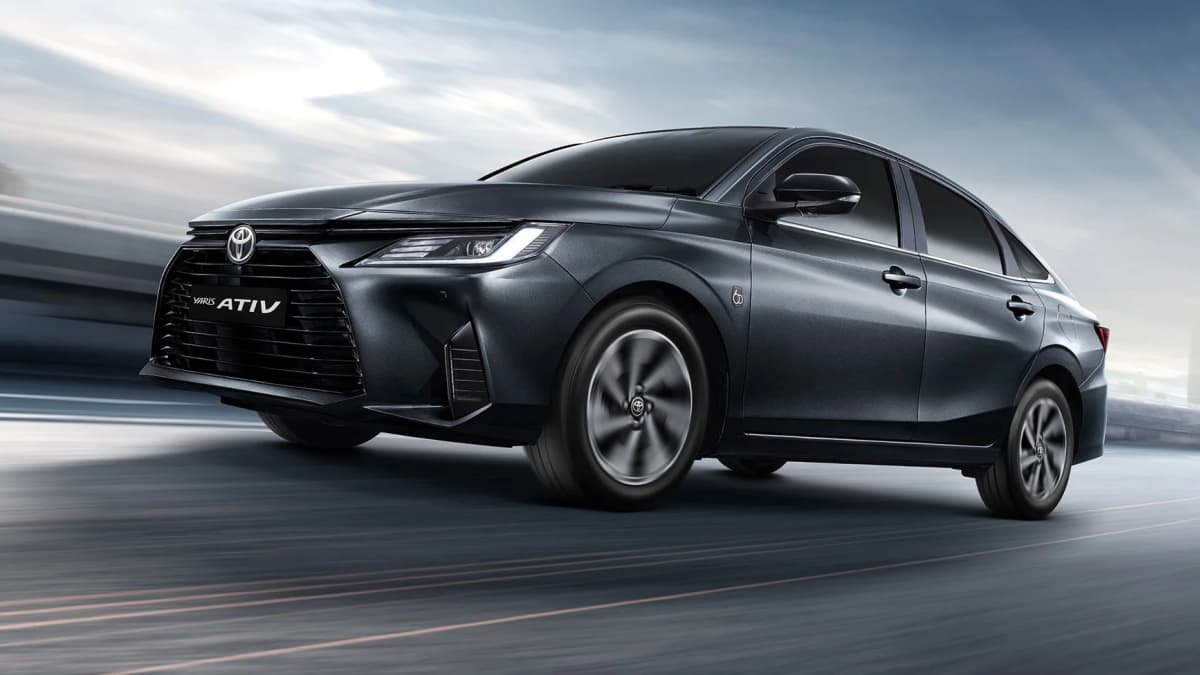
Toyota, the world’s biggest car-maker by volume, has been caught cheating side-impact crash tests for four new models destined to be sold in countries that already have comparatively weak safety standards.
The scandal has not just exposed how the cars used in the crash tests were modified in a way that was not applied to vehicles sold to customers, but also reveals the gap in safety standards between developing and developed countries.
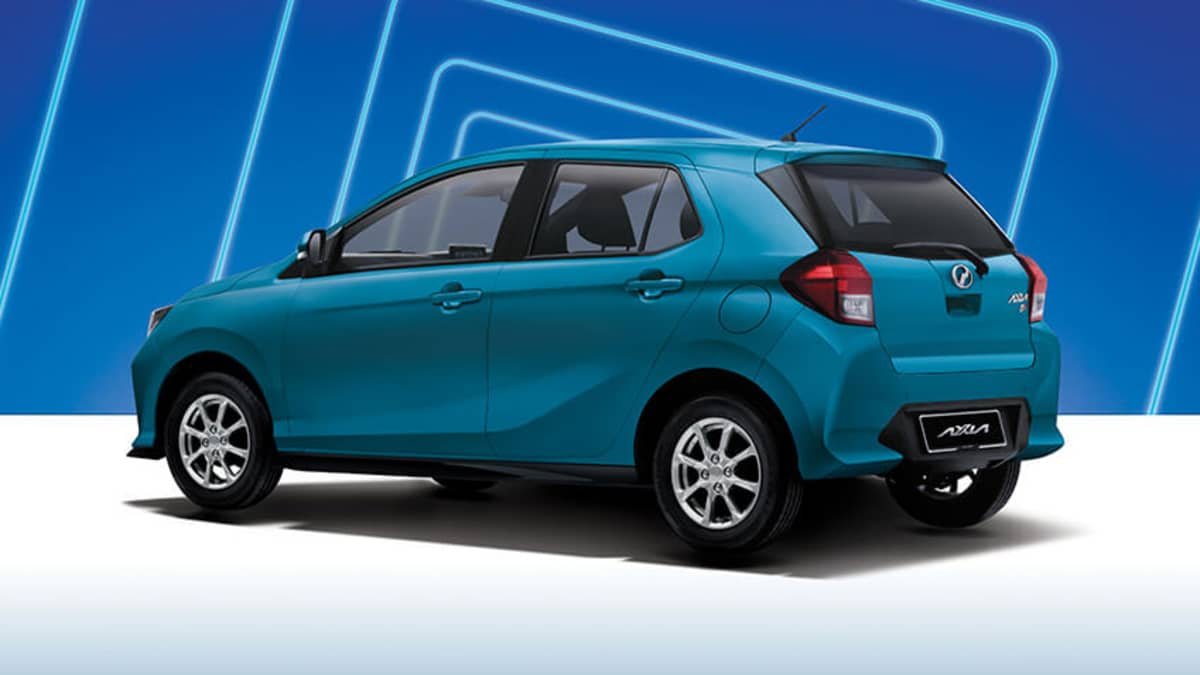
Four new vehicles – badged either as Toyota or Perodua (a Malaysian car maker part-owned by Toyota’s city-car division Daihatsu), depending on where they were sold – are caught up in the crash-test cheating scandal.
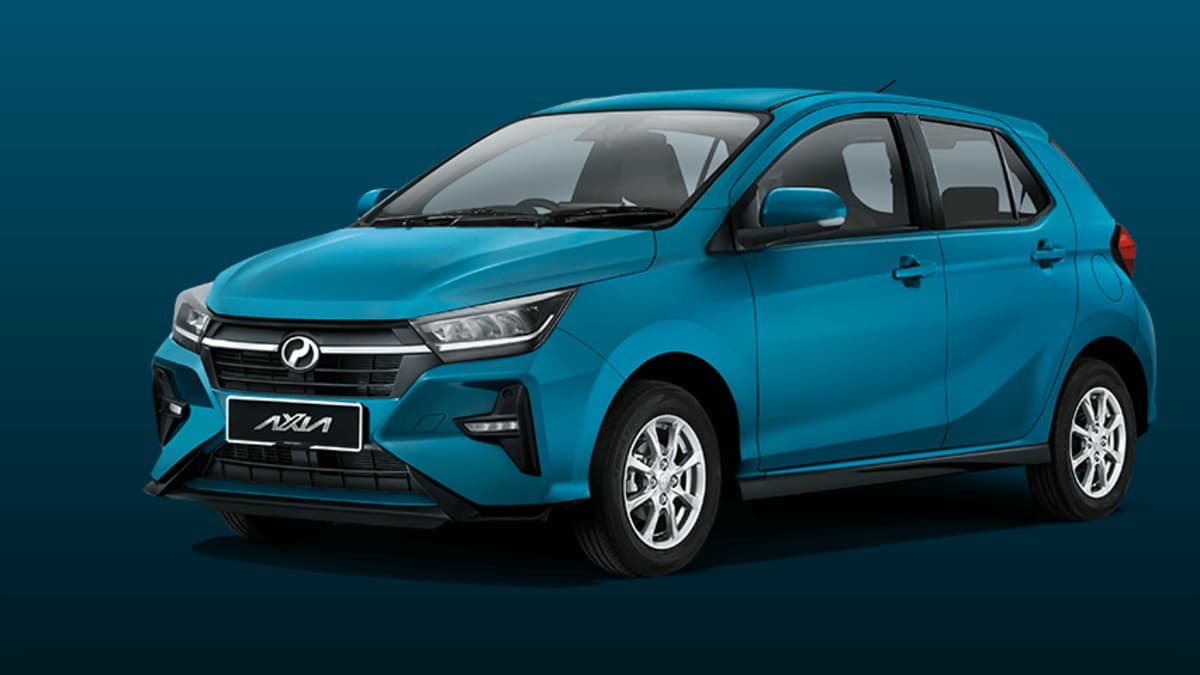
Two models are already on sale – and more than 88,000 have been sold in South-East Asia, the Middle East and South America – while the two others are yet to arrive in showrooms.
A statement issued by Toyota over the weekend revealed the door panels of four new ‘developing-market’ vehicles bound for government side-impact crash tests were modified to help pass the test and deliver better occupant protection.
News agency Reuters reported a “notch” was added to the inner door linings to “minimise the risk in testing that the door interior could break with a sharp edge and cause injury to an occupant when the side airbag deployed in an accident.”
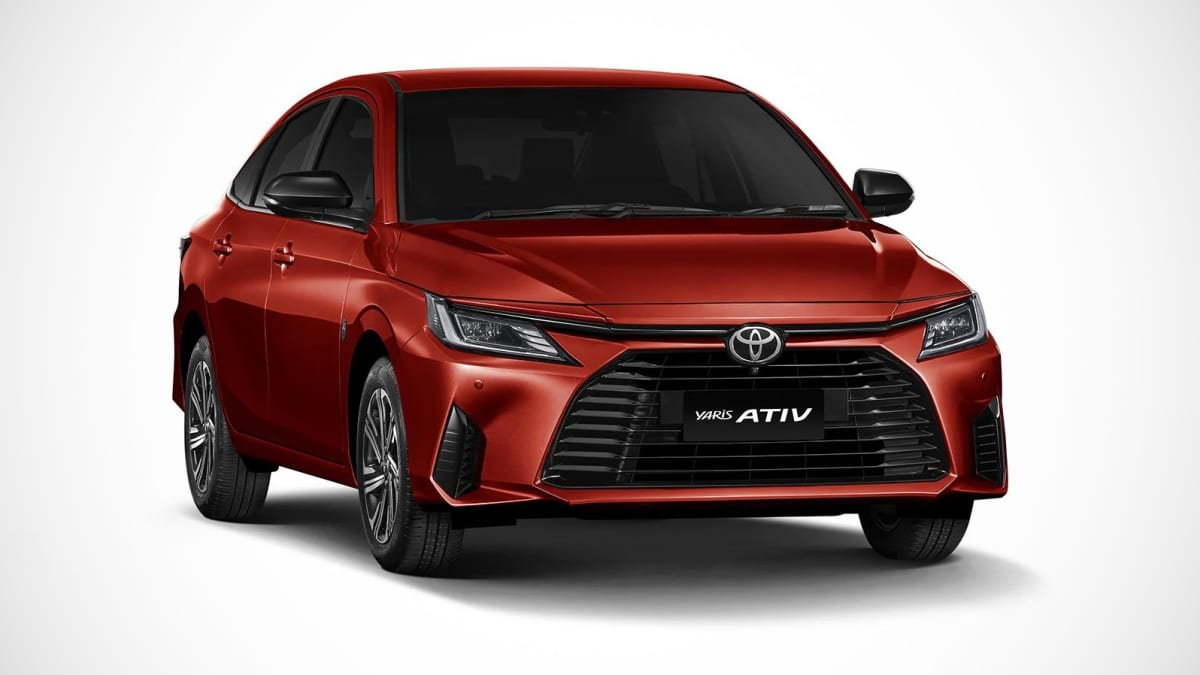
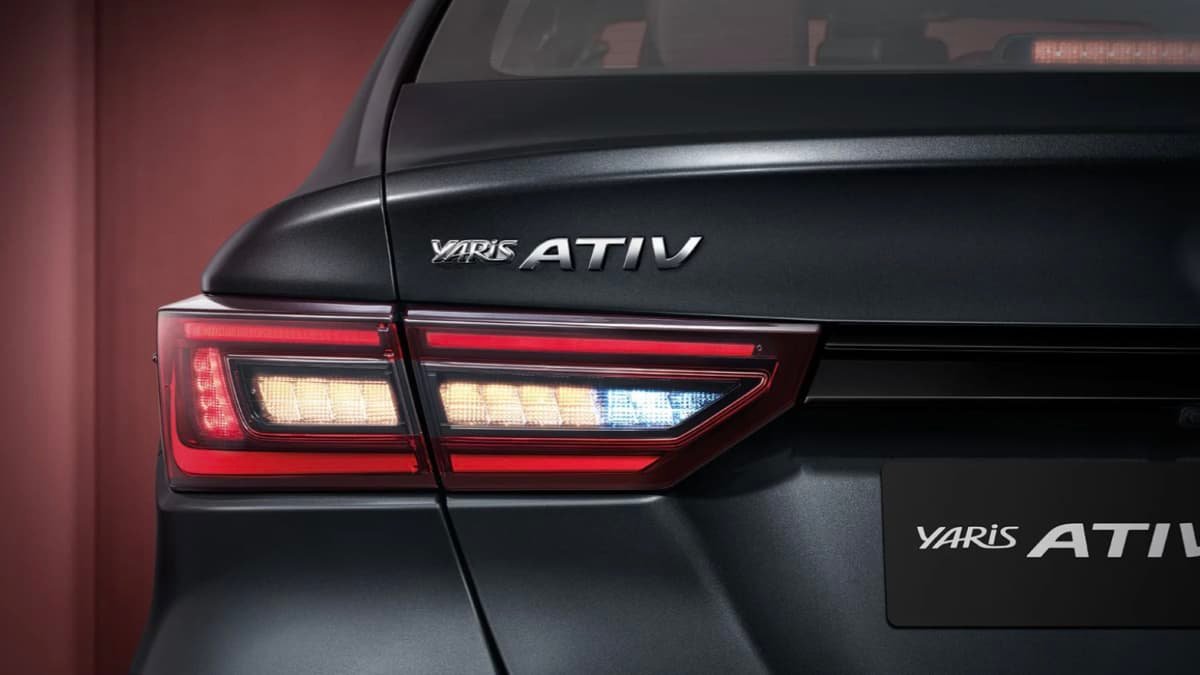
The change was subsequently not included on the production versions of the four vehicles: the Toyota Yaris Ativ sold in Asia, Mexico and the Middle East, Perodua Axia in Malaysia, Toyota Agya in Ecuador, and an unspecified “model in development”.
After the rigged crash tests were exposed, Toyota announced it plans to introduce the same hidden modification on models yet to go into production.
About 88,000 vehicles sold to customers are affected, across 76,289 examples of the Toyota Yaris Ativ, and 11,834 of the Malaysian-badged Perodua Axia.
Although Toyota has taken responsibility for the embarrassing episode, the rigging of the vehicles and the tests themselves were reportedly conducted by its small-car division Daihatsu.
In a media statement, Daihatsu said it has paused deliveries of affected vehicles until they are re-tested “in the presence of the reviewing organisation and certification authority”.
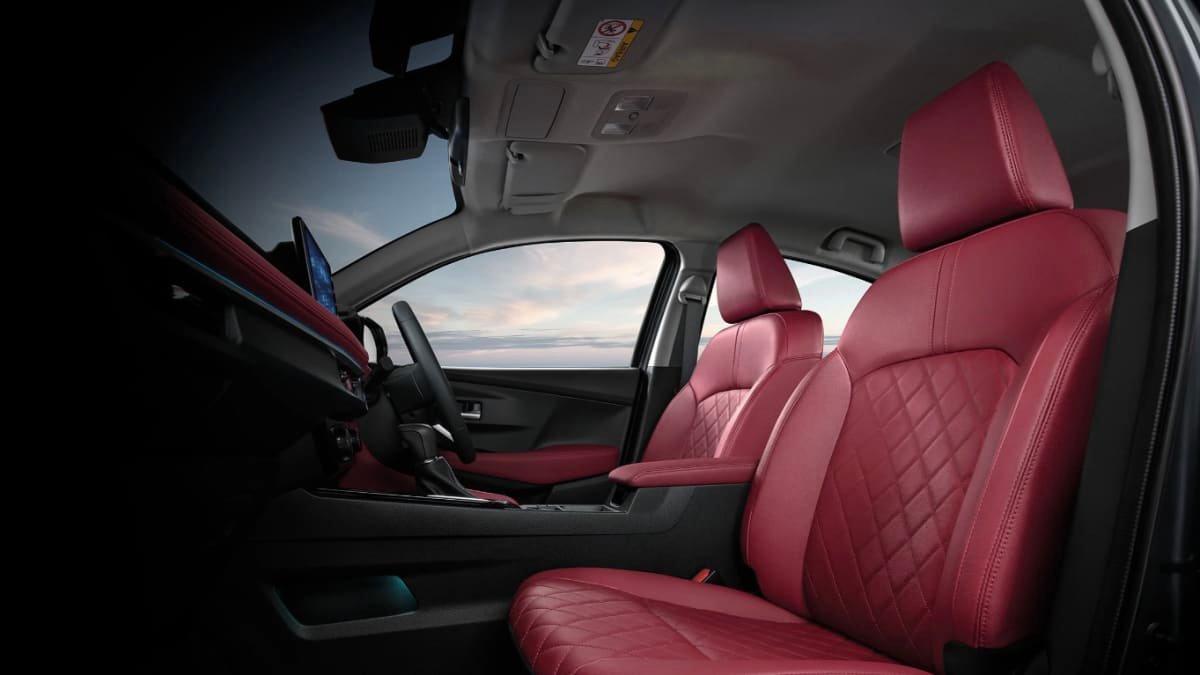
Despite the door panels in production versions already on the road posing a risk of injury to occupants, Daihatsu says “there is no need for customers using these models to take any action to continue using them.”
Reuters reports Toyota says it has “not received any report of an accident or injury related to the rigged side-crash test.”
The Japanese car giant claims it was alerted to the crash-test misconduct after being contacted by a concerned whistleblower in April 2023, prompting an internal investigation which confirmed the allegations.
Toyota chairman Akio Toyoda – who was succeeded by Koji Sato as company CEO last month – apologised for the “act that betrays the trust of customers” in a media statement published by the Japanese car giant.
“Daihatsu Motor Co., Ltd.’s fraud this time is the most important safety issue for cars, and we believe that it is an act that betrays the trust of customers and should never be tolerated,” said Toyoda-san.
“We sincerely apologise to our customers around the world and all related parties for the inconvenience and concern we have caused. I am very sorry.
“This is a problem that occurred in a Toyota brand passenger car, so we believe that it is not just a problem for Daihatsu Motor, but also a problem that includes Toyota Motor Corporation.
“We are going to proceed with a detailed investigation, but I promise that we will thoroughly grasp the facts of what is happening at the site, investigate the root cause, and sincerely work to prevent recurrence,” the statement reads.
“And we would like to inform the public about the facts found in the investigation in a timely manner without hiding anything.”
“When the large-scale recall problem occurred in 2009 [when nearly 10 million cars were recalled over ‘sticky’ accelerator pedals, due to the floor mats, or a mechanical issue], I myself made a promise to customers around the world that Toyota would not run away, hide, or lie … The Toyota Group will work as one and do our best to regain the trust of our customers as soon as possible.”
Toyota is well known in the industry for reading the rulebooks closely and coming up with its own interpretations of the regulations.
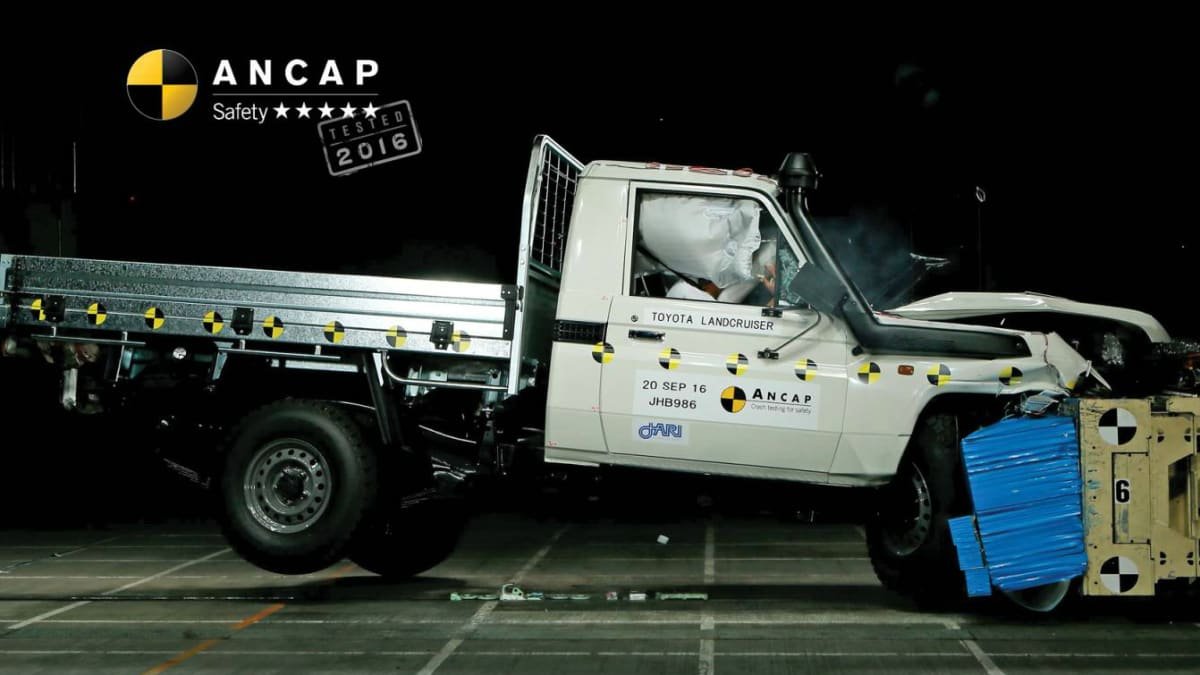
In Australia, a recent example of this is its reclassification of the Toyota LandCruiser 70 Series four-wheel-drive, which was about to become extinct until the paperwork was changed to switch it from the light-commercial vehicle category, to a light truck to sidestep new safety regulations.
The crash-test cheating revelation comes nearly 12 months after another Toyota subsidiary, the Hino truck division, admitted it had falsified emissions data for what reports estimate to be up to 860,000 trucks.
The company said it had modified the hardware and software of vehicles bound for emissions testing, measured values incorrectly, changed the calibration of emissions-testing equipment, or altered test data after it was gathered.
Cars have played a central role throughout Alex’s life, from flicking through car magazines at a young age, to growing up around performance vehicles in a car-loving family.
Read more about Alex Misoyannis
[bsa_pro_ad_space id=15]