
[bsa_pro_ad_space id=14]
Rotary engine fans holding out for a successor to the RX-7 and RX-8 sports cars will need to temper their enthusiasm – despite the return of the iconic engine as a range-extender in an eco car.


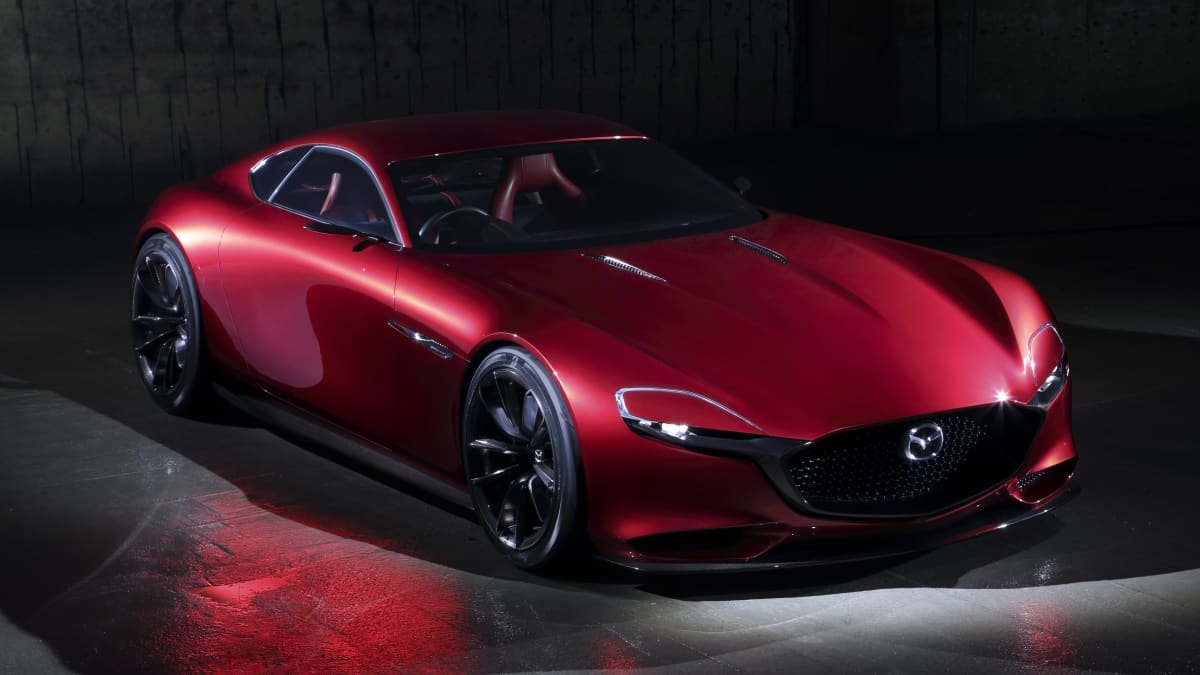
2015 Mazda RX-Vision concept
The rotary engine may be back in Mazda showrooms in 2023 after a decade out of production – but a new RX-badged sports car with the iconic engine design is no closer to reality.
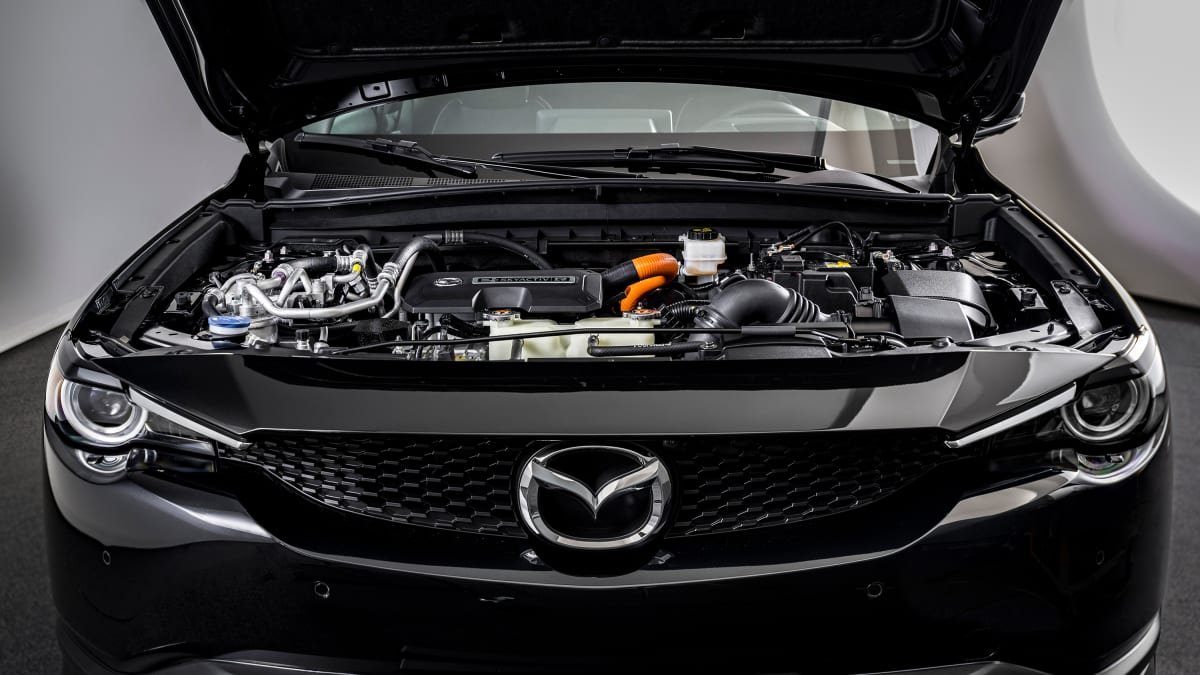
As reported last week, Mazda has revived its unique rotary engine design for a range-extender, plug-in hybrid ‘R-EV’ version of the MX-30 small SUV – 11 years after it was killed with the end of RX-8 production in 2012.
Now Mazda executives have told UK magazine Autocar there are no plans for a new rotary-engined sports car to succeed the RX-7 and RX-8 – although it remains on the personal wish lists of the company’s engineers.
“Rotary is our symbol. It’s a dream of engineers at Mazda to have a sports car with rotary. Now is not the time for that,” assistant manager of Mazda’s powertrain development division, Yoshiaki Noguchi, told Autocar.
“When the company situation is a lot better [in regards to completing its roll-out of hybrid and electric models], we can think about that dream another time.”
Mazda MX-30 program manager Wakako Uefuji told Autocar: “We need to keep the electrification of models for this era. This is the first thing we do but maybe in the future [a sports car may happen].”
The Japanese car maker has toyed with the idea of a new rotary sports car repeatedly over the last decade – from filing a number of patents with multi-rotor engines and hybrid power, to revealing the RX-Vision coupe concept of 2015.
The last rotary-engined Mazda in production, the four-door RX-8 sports-car, was discontinued in 2012 after it no longer met European emissions standards.
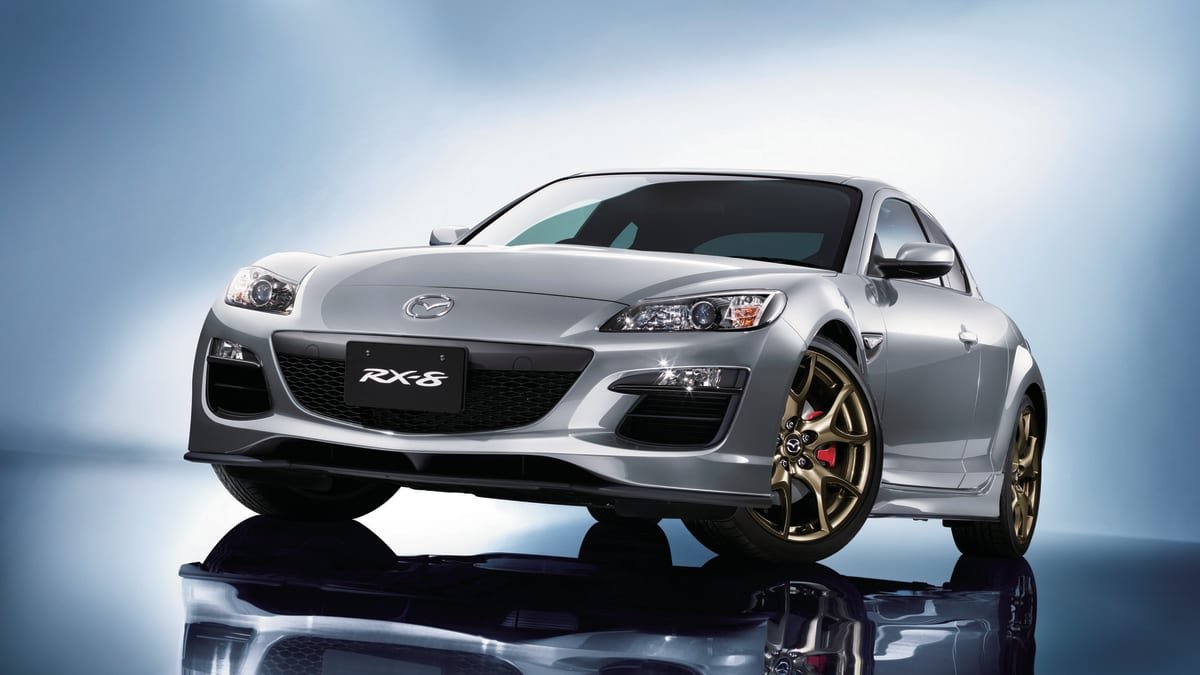
Mazda RX-8 Spirit R.
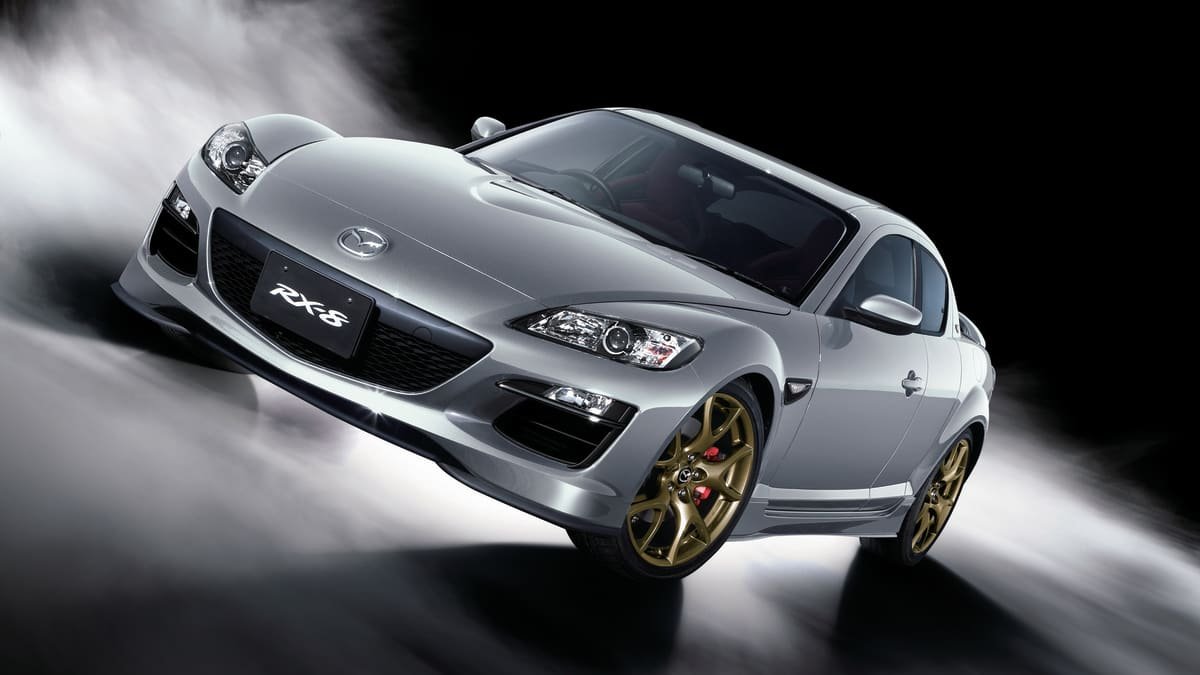
Mazda RX-8 Spirit R.
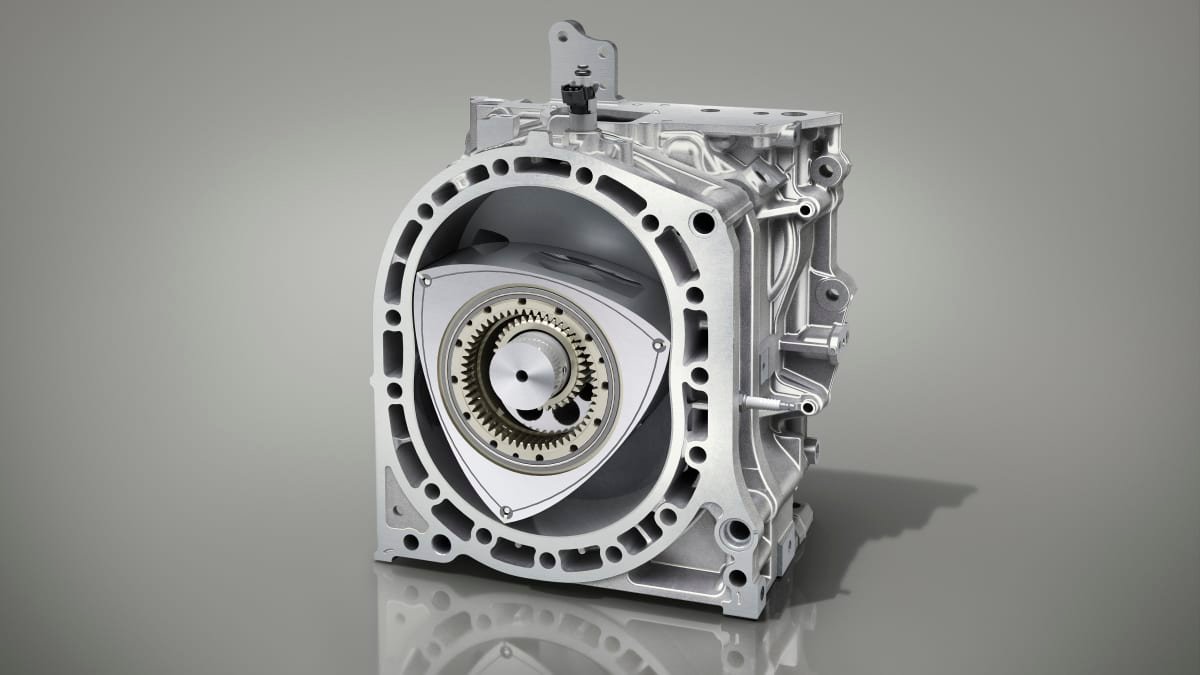
Mazda executives say the efficiency of the rotary engine in the MX-30 R-EV – an all-new, 830cc single-rotor design – has been improved compared to the 1.3-litre twin-rotor ‘Renesis’ unit in the old RX-8.
“There are three big challenges with rotary. The economy is number one. At the same time, you need to make it lighter to improve the range. Then improve reliability,” Mr Noguchi told Autocar.
The UK magazine reports the use of direct injection (rather than port injection previously) improves fuel economy by up to 25 per cent, and lowers CO2 emissions, according to Mazda engineers.
However, based on official data published by Mazda, the MX-30 R-EV’s rotary engine is said to consume 9.7 litres of fuel per 100km once the battery pack is depleted after a claimed 85km of driving.
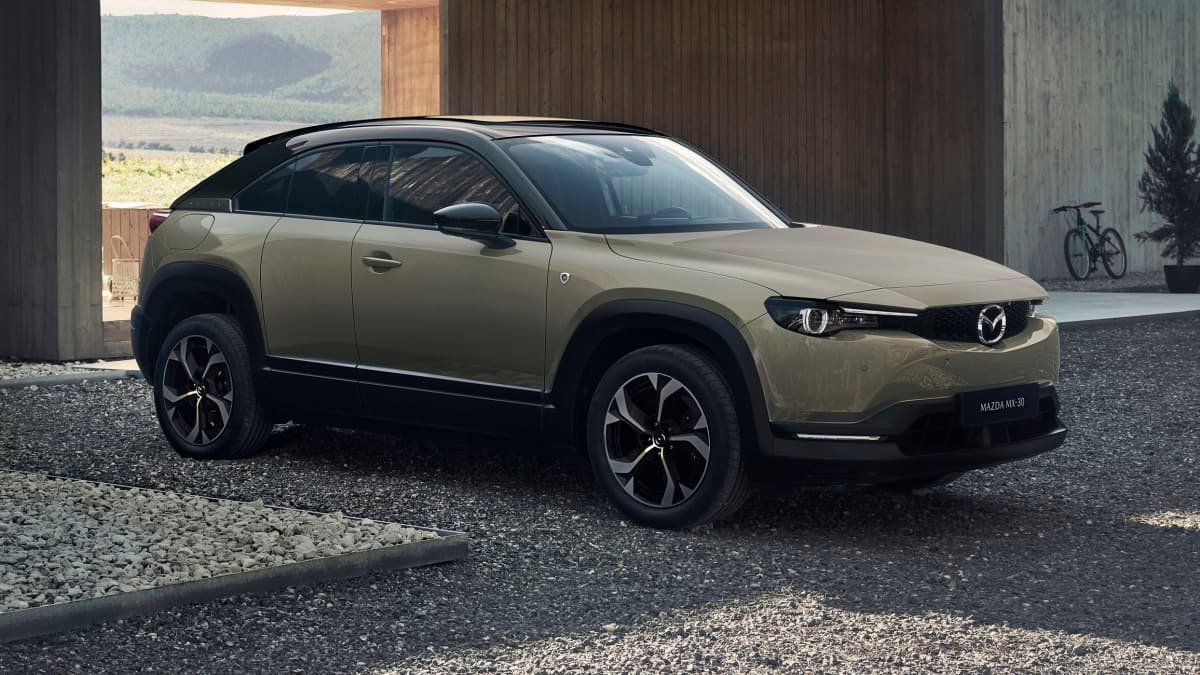
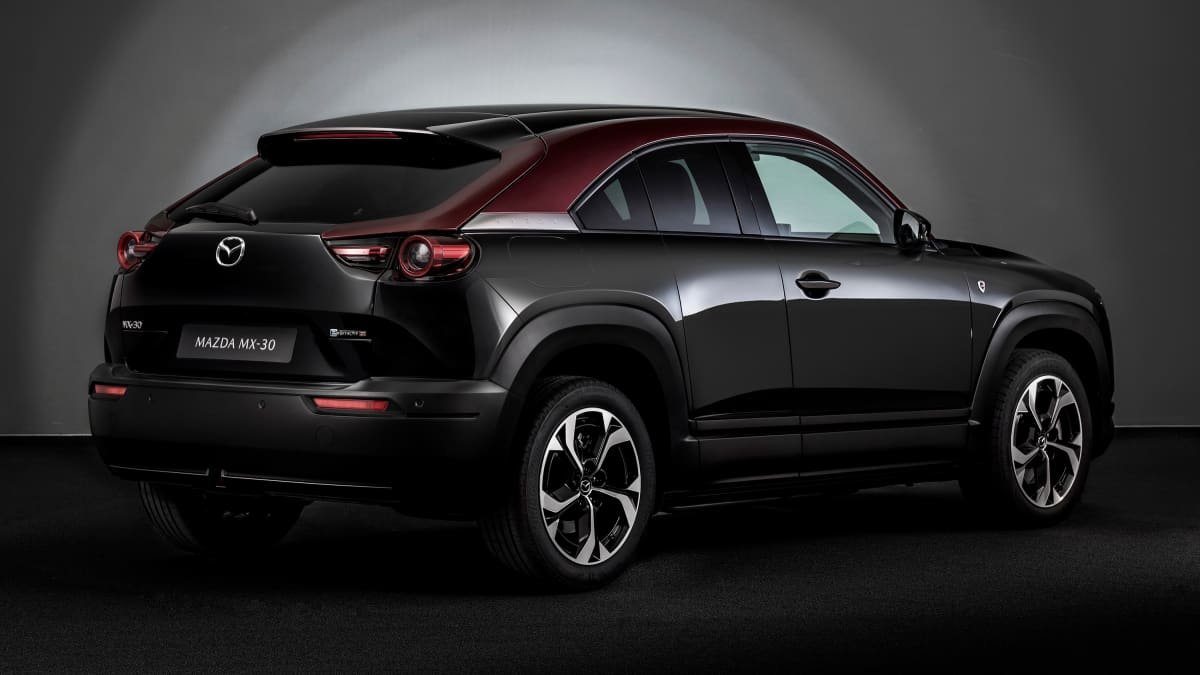
The final run of automatic RX-8s sold in Australia had claimed fuel consumption ratings of 8.9L/100km on the freeway, 12.1L/100km in mixed driving, and 17.6L/100km in the city.
Autocar also highlights aluminium engine side housings that save 15kg, and a higher compression ratio than the previous rotary engine.
There is also a “change in thickness” and new coating for the apex seals – the strips on the three tips of the rotor that make contact with the outside of the engine chamber.
Mazda claims these changes to the apex seals – known to be a key point of failure in rotary engines – “improve wear resistance” and reliability.
Mr Noguchi told Autocar the MX-30’s engine would “perform well” at high engine speeds for a sports car – but in the MX-30, it will run between 2450-4500rpm to produce energy for the battery and electric motor.
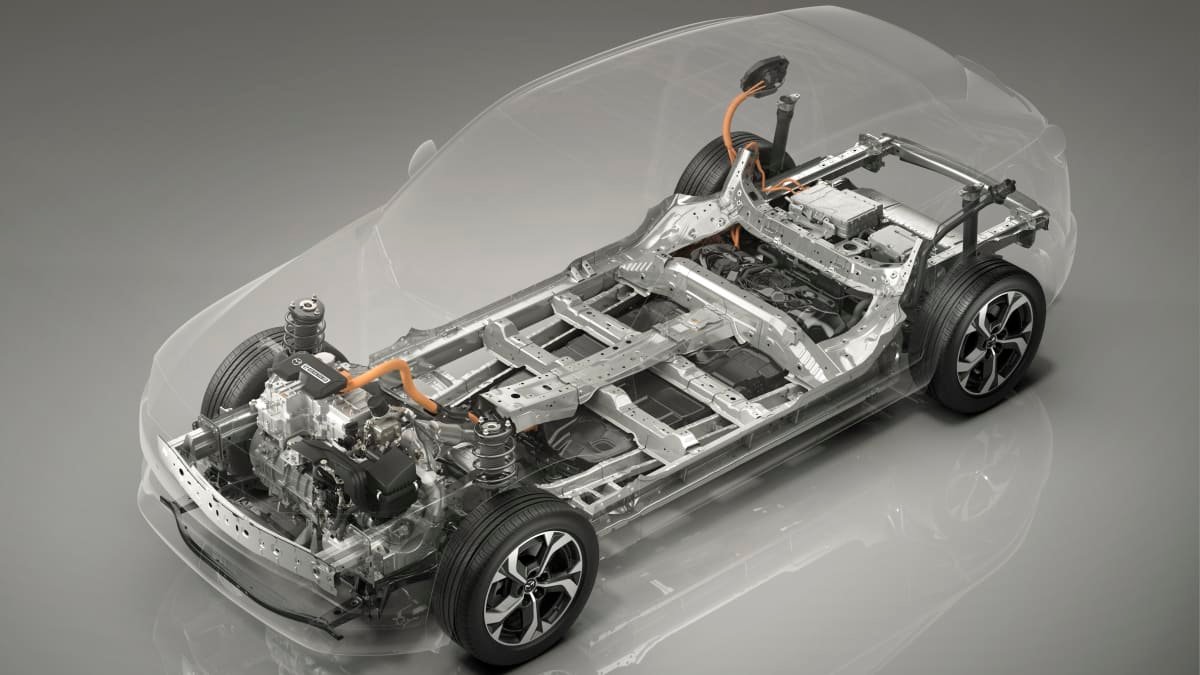
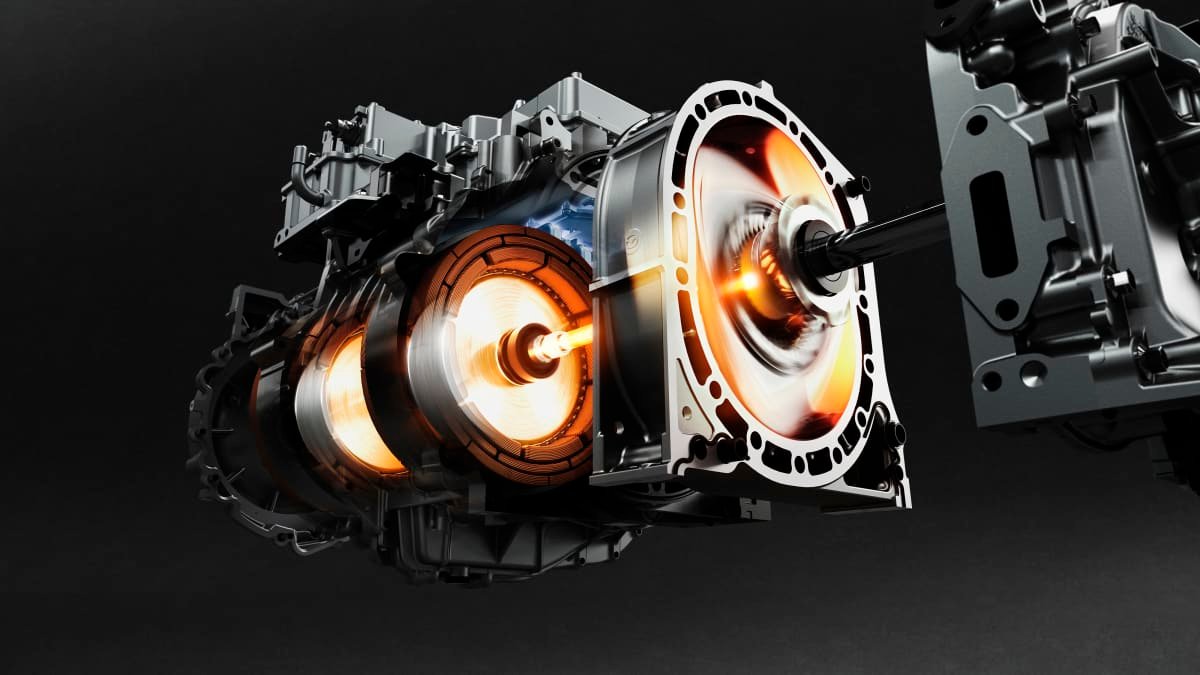
In the Mazda MX-30, the tiny new-generation rotary engine produces 55kW and 116Nm – less than a third of the power, and half the torque of the 1.3-litre rotary engine in the 2012 RX-8 GT sold in Australia.
As reported last week, the Mazda MX-30 R-EV is what is known as a range-extender plug-in hybrid – or a ‘series’ plug-in hybrid.
That means the rotary engine is used to generate energy to charge the battery pack, which in turn powers the wheels. The battery can be recharged independently of the wheels by plugging it in – but the rotary engine can’t drive the wheels directly.
Mazda Australia has expressed interest in introducing the 2023 Mazda MX-30 R-EV to local showrooms, however Drive understands, even if approved, it may not arrive here until 2024 at the earliest.
Cars have played a central role throughout Alex’s life, from flicking through car magazines at a young age, to growing up around performance vehicles in a car-loving family.
Read more about Alex Misoyannis
[bsa_pro_ad_space id=15]