
[bsa_pro_ad_space id=14]
Mazda has revealed its first rotary-engined car in a decade – and it’s a city SUV with plug-in hybrid power. But an Australian launch is believed to be at least 12 months away.


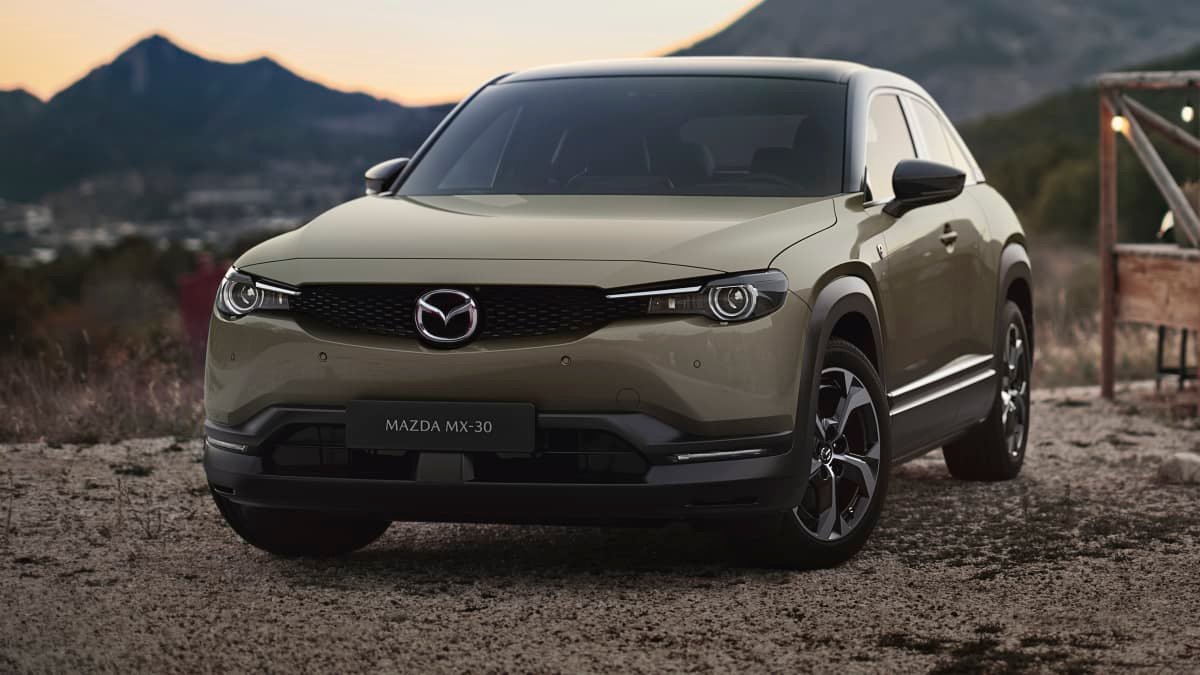

The legendary Mazda rotary engine has returned in the 2023 Mazda MX-30 range-extender plug-in hybrid SUV – but it is believed to be at least 12 months away from Australian showrooms.
Officially branded the MX-30 e-SkyActiv R-EV, the first rotary-engined Mazda in a decade revives the iconic engine as a ‘range extender’ in a plug-in hybrid system, which tops up the battery pack once it is empty.
Mazda Australia has previously shown an interest to introduce the R-EV to Australia – but Drive understands it would not reach local showrooms until next year at the earliest, as the Japanese company focuses on launching other new models this year.
In the UK, the R-EV range-extender is priced similarly to the purely-electric model – a car which lists for $65,490 plus on-road costs in Australia.
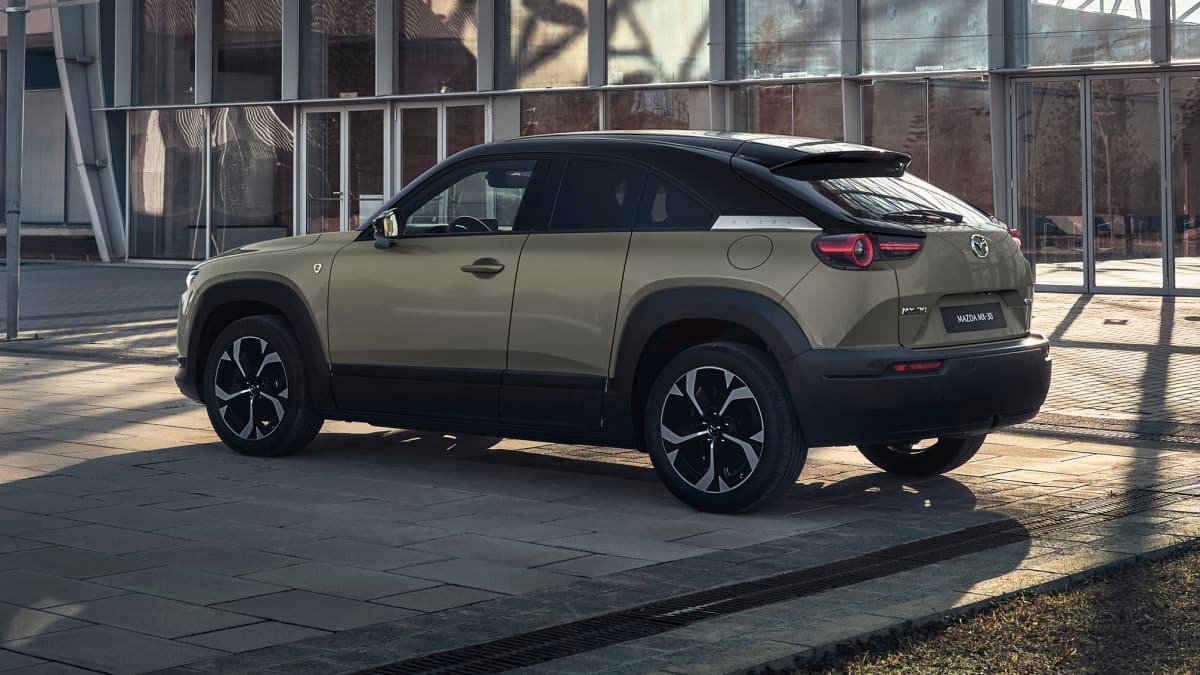
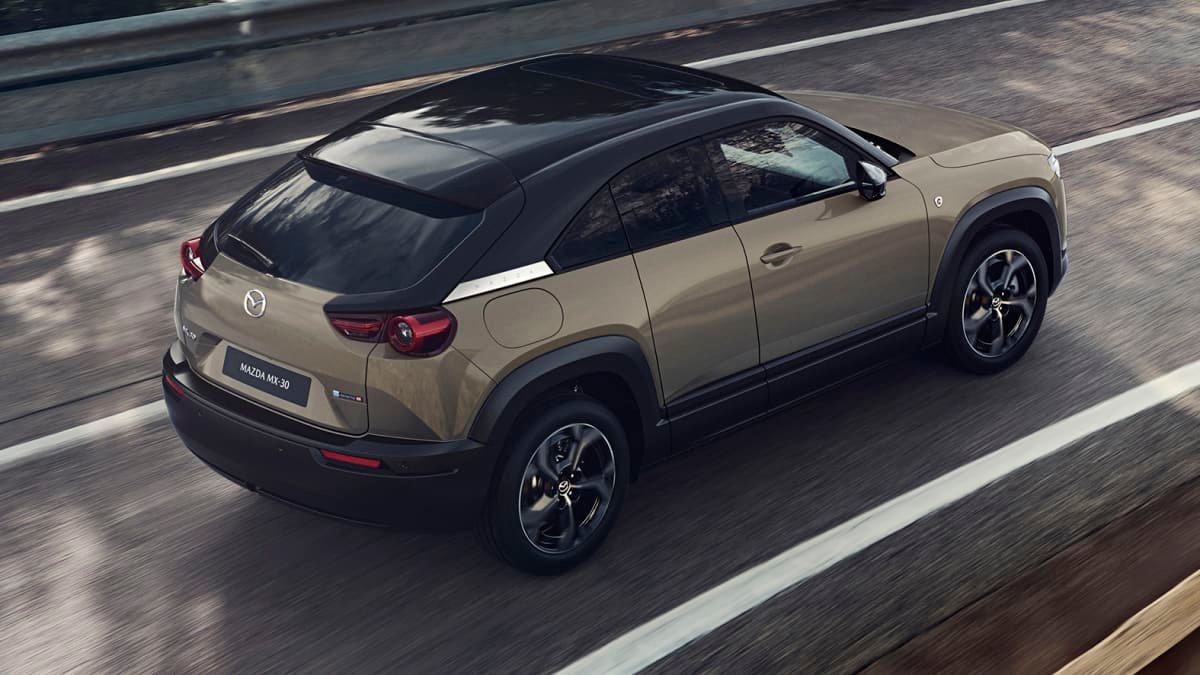
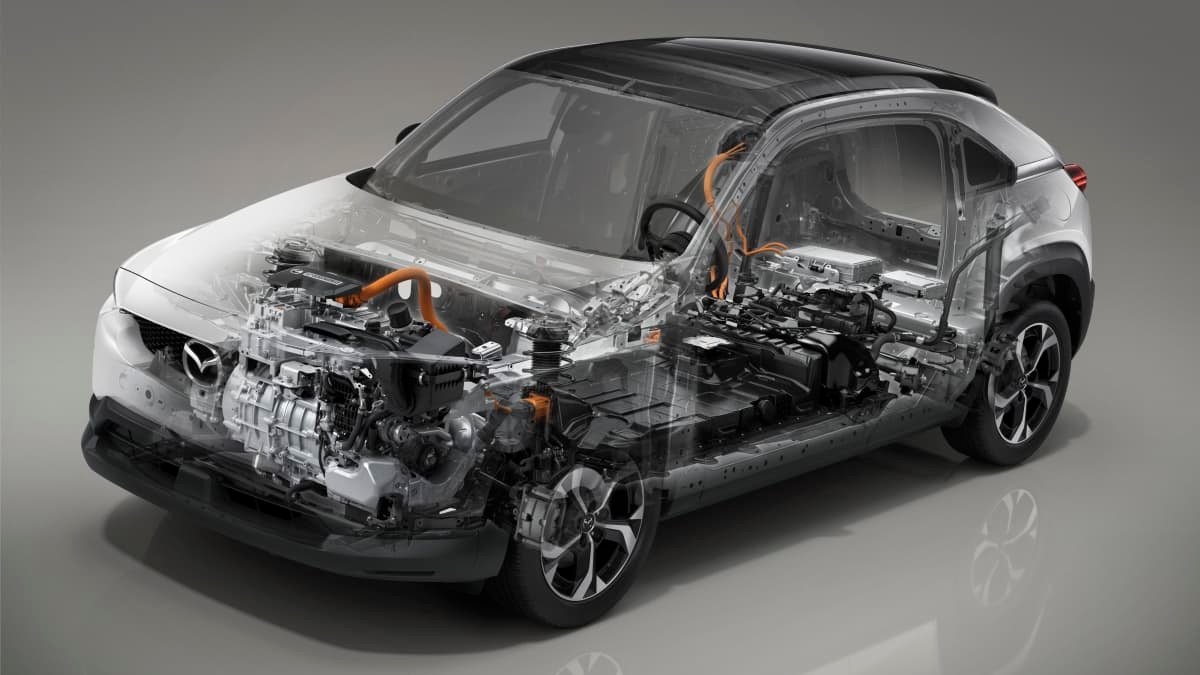
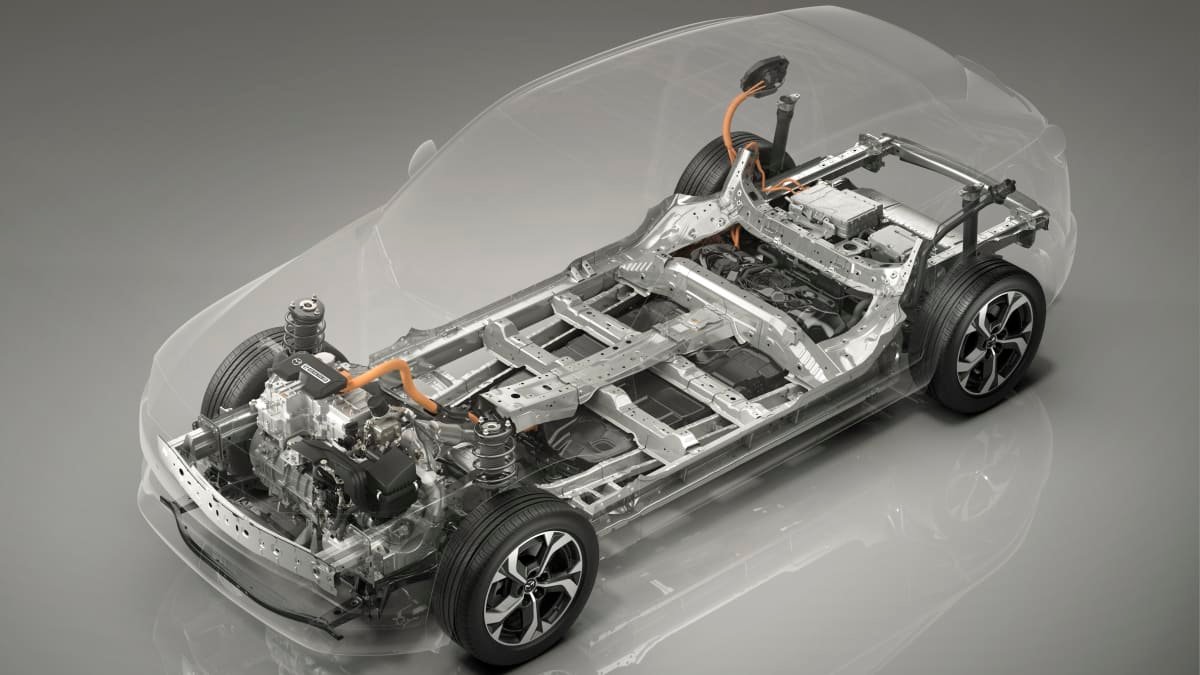
The MX-30 R-EV’s front wheels are always driven by an electric motor developing 122kW and 260Nm, which is powered by a 17.8kWh battery pack.
But once it is depleted – said to occur after a claimed 85km of electric-only driving – the 830cc (0.83-litre) rotary engine fires up to charge the battery, using a 50-litre fuel tank to achieve a maximum driving range of “over 500km”.
The industry term for the MX-30 R-EV is a series plug-in hybrid – referring to how the rotary engine can only power the battery, rather than drive the wheels directly, and that the battery can be replenished by plugging it in, in addition to charging it while on the road.
Mazda claims the battery can be charged on a three-phase AC home socket in “around” 50 minutes, while a DC fast charger is said to do the same in half the time. Charging power figures aren’t quoted.
For context, the electric Mazda MX-30 uses a 35.5kWh battery and 107kW front electric motor for a claimed driving range of 224km, and a 20 to 80 per cent DC fast-charge time of 36 minutes.
Mazda claims the 17.8kWh battery – possibly from the new CX-60 PHEV SUV, which has an identically-sized pack – “was chosen to ensure enough capacity for a 85km electric-only driving range while … considering the environmental impact of the battery over the entire vehicle life cycle.”
For rotary fans and tech-heads: the 830cc engine is a single-rotor unit, with a 120mm rotor radius and 76mm rotor width, and it’s said to be 15kg lighter than the twin-rotor Renesis engine in the final RX-8, thanks to the use of aluminium.
The engine – known as the ‘8C’ – is also direct-injected to reduce emissions and improve fuel economy, and an exhaust-gas recirculation system is fitted “to improve efficiency at low rpm and low load running,” according to Mazda.
“The new 8C rotary engine … enables coaxial placement and integration with the electric motor, decelerator and generator to achieve a unit with an overall width of less than 840mm, allowing it to fit under the bonnet without changes to the MX-30 body frame,” Mazda says in its media release.
The Japanese car maker says it has produced 1.9 million rotary engines between the launch of the Mazda Cosmo sports car in 1967, and the end of RX-8 production in 2012.
The return of the iconic engine has been on the cards since that last RX-8 was built, as Mazda has revealed multiple rotary-engined concepts and prototypes – from city cars to sports cars – and filed many rotary-related patents over the last decade.
There are three modes – led by Normal, which runs the car in electric-only mode until the battery runs low and the engine needs to switch on, or more power is needed than the battery can deliver on its own to the electric motor.
EV mode locks the car in electric mode until the battery goes flat – unless maximum power is needed for quick acceleration – while Charge allows the driver to hold the battery capacity at a certain level, or use the rotary engine to charge it up.
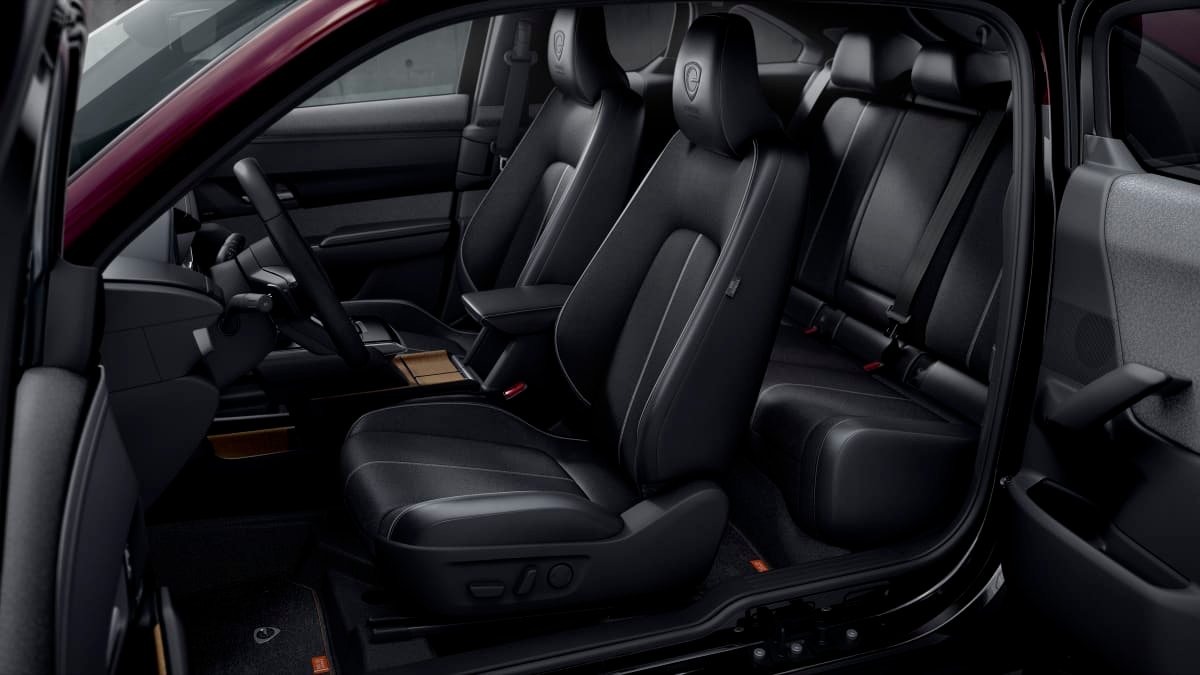
The MX-30 range-extender looks no different in standard trim to the regular electric motor – and has the same interior, with three screens, and cork highlights that pay homage to Mazda’s origins as a cork manufacturer.
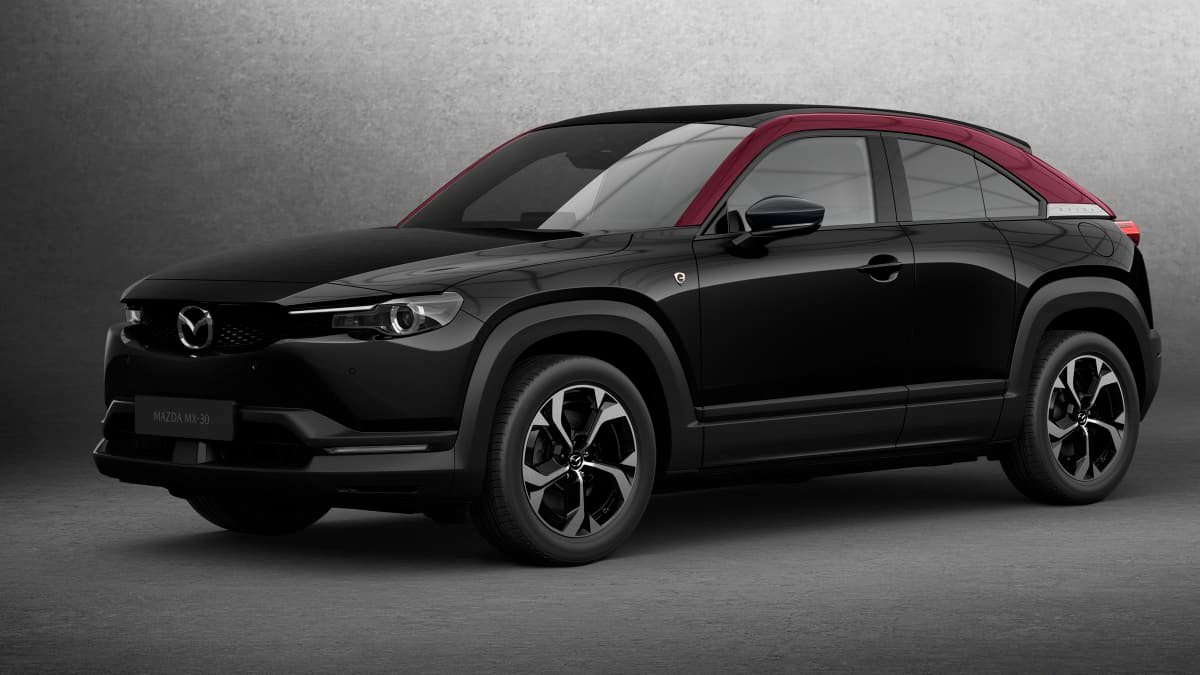
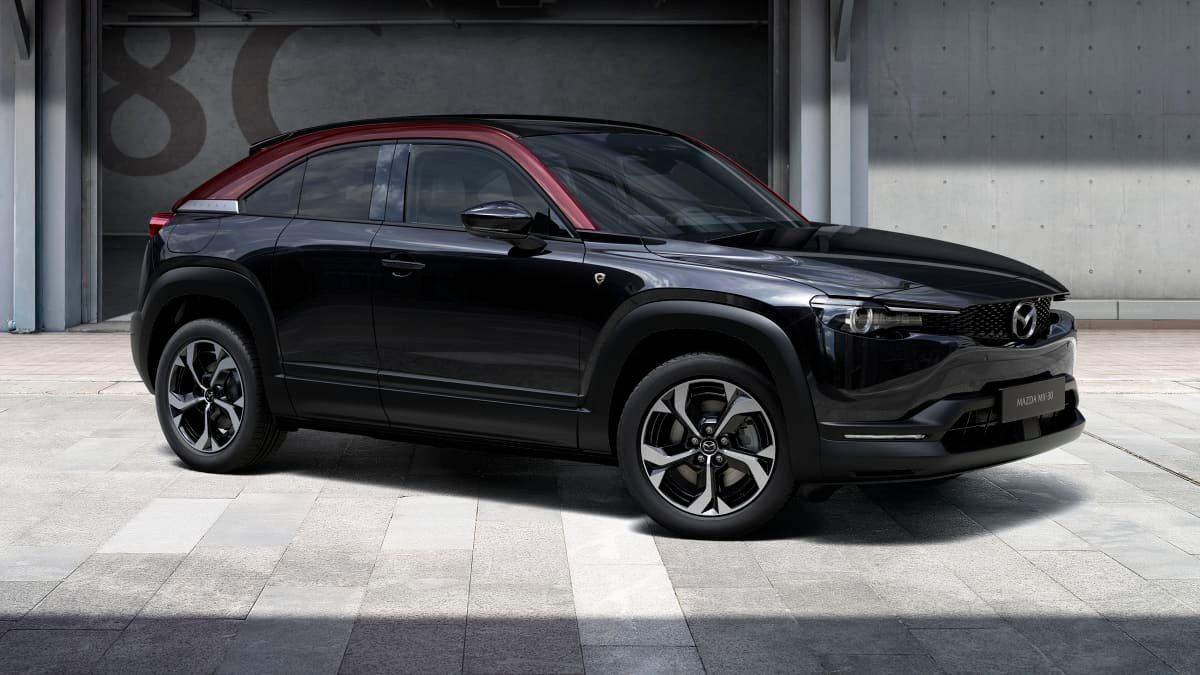
Available at launch in Europe is an ‘Edition R’ special edition, with Jet Black paint contrasted by Maroon Rouge side pillars and roof sections that are claimed to pay homage to Mazda’s first passenger car, the R360 coupe.
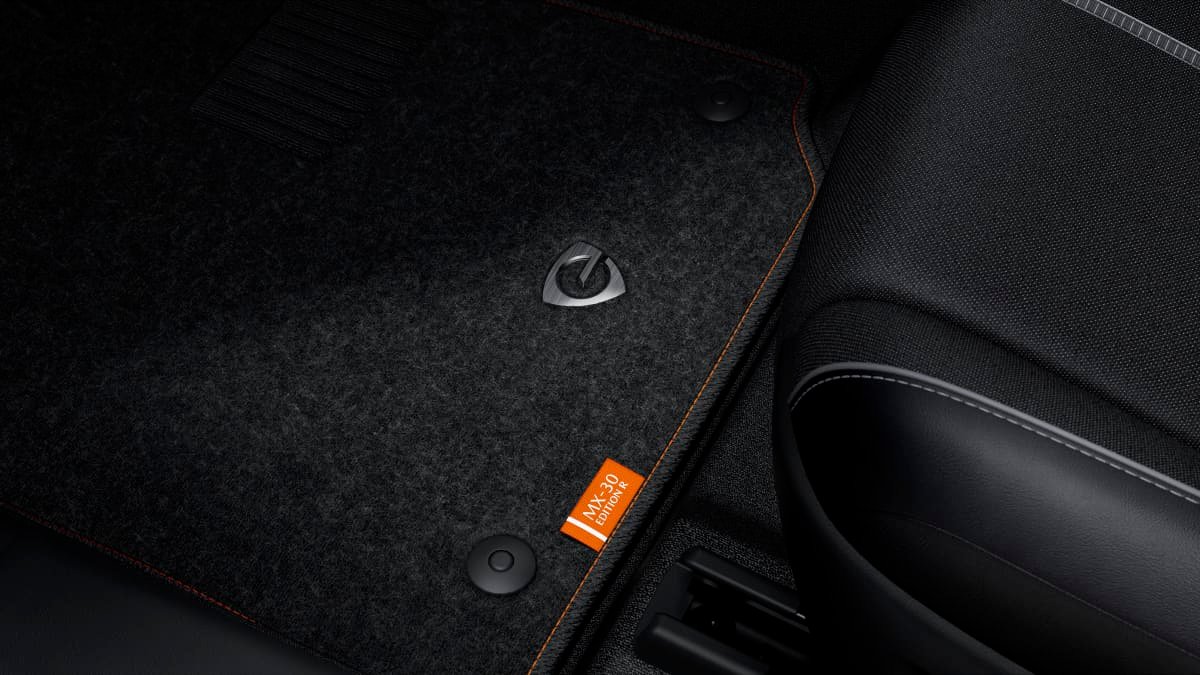
Limited to 400 examples for the UK – plus more for other European markets – the Edition R also adds embossing on the front-seat headrests, and rotary badging on the floor mats.
There is also a “single white line of 2.6mm stitching” that Mazda says matches “the width of the rotor apex seal grooves [inside the engine]” – plus a key with “horizontal sides that curve at the same angle as the sides of the rotor”.
The 2023 Mazda MX-30 e-SkyActiv R-EV is now available to order in the UK, ahead of first deliveries due in Europe before the middle of the year.
Australian launch timing is yet to be locked in, but Drive understands it is not due until 2024 at the earliest – as Mazda focuses this year on the new CX-60 six-cylinder and hybrid SUV due in June, plus the larger CX-90 that could be in showrooms towards the end of the year (though timing is unconfirmed).
Prices in the UK start from £31,250 ($AU55,000) – matching equivalent electric versions – while top-of-the-range R-EV variants cost £450 ($AU800) more than equivalent electric grades.
In Australia, one MX-30 Electric model is offered – the E35 Astina, priced from $65,490 plus on-road costs. The last rotary Mazda sold in Australia, the RX-8 sports car, was priced from $49.940 plus on-road costs.
Cars have played a central role throughout Alex’s life, from flicking through car magazines at a young age, to growing up around performance vehicles in a car-loving family.
Read more about Alex Misoyannis
[bsa_pro_ad_space id=15]