
[bsa_pro_ad_space id=14]
The US isn’t ready for the EV boom that any analysts think is on the way.
If you’re interested in battery-powered vehicles, chances are you’ve noticed a lot of anxiety surrounding charging infrastructure for this. There’s a very good reason for this, according to Business Insider. If sales of electric cars, SUVs and trucks progress continue to progress as expected, the country will need eight times as many chargers as it currently has by the time 2030 rolls around.
The US’s charging infrastructure has grown by dramatically over the last few years, but there is still a lot that needs to be done. A study published by S&P Global Mobility found that there are currently 126,500 Level 2 chargers (which can fully charge an EV’s battery in five hours), 20,431 Level 3 chargers (which can fill a battery to 80-percent in 20 minutes) and 16,822 Tesla chargers. That’s enough to serve the 1.7 million EVs on American roads today, but it won’t be enough by 2030, when that number is expected to balloon to 28.3 million. By then, America will need at least 2.13 million Level 2 and 172,000 Level 3 chargers, along with more home charging setups.
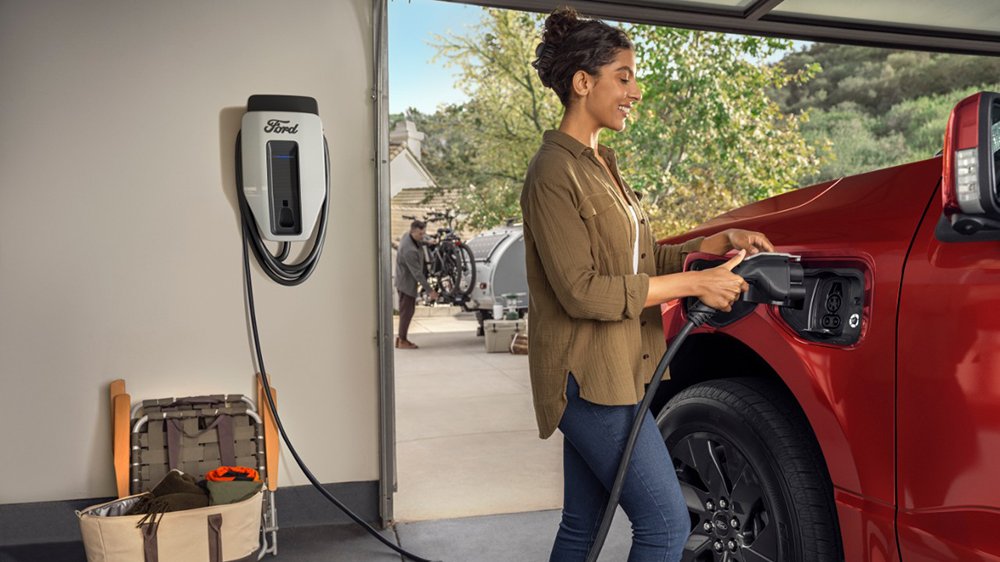
The country will also need more at-home chargers as well.
Ford
Seven years may seem like plenty of time to prepare, except that we could face a charger shortage well before then. The current infrastructure doesn’t just fall short of what we’ll need in 2030, it falls short of what we’ll need two years from now in 2025. S&P also found that we currently have just one-fourth of the chargers we’ll need by then, when the number of EVs in the US is expected to reach 7 million. The study forecasts that 700,000 Level 2 and 70,000 Level 3 chargers will be needed by the middle of the decade.
Fortunately, there seems to be an understanding that we need more EV chargers. Last year, the Biden administration unveiled a $5 billion plan to build a nationwide charging network. Private companies are getting in on the action as well. Tesla recently opened its supercharger network to compatible EVs of all makes. Mercedes-Benz also announced plans to launch a charging network of its own—which will be open to battery-powered vehicles made by all manufacturers, though its driver will get priority—in North America later this year.
[bsa_pro_ad_space id=15]