
[bsa_pro_ad_space id=14]
Vehicle to Load (V2L) can be a life-saving technology, as this Canadian Kia owner found out.

 0
0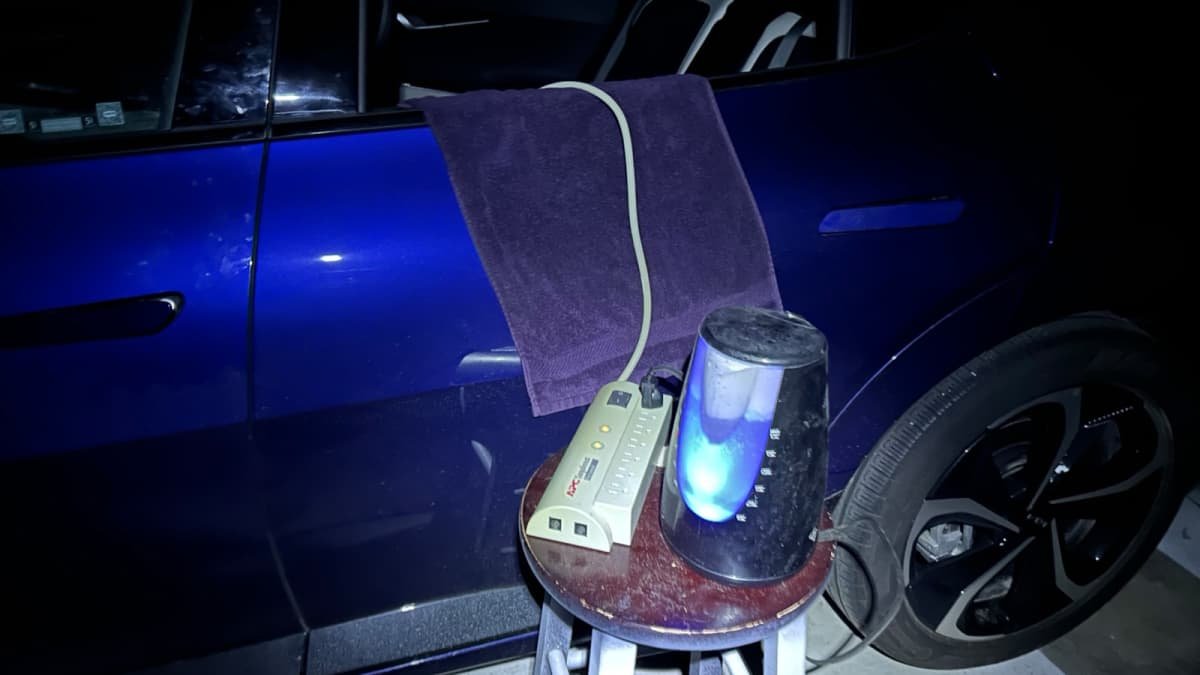
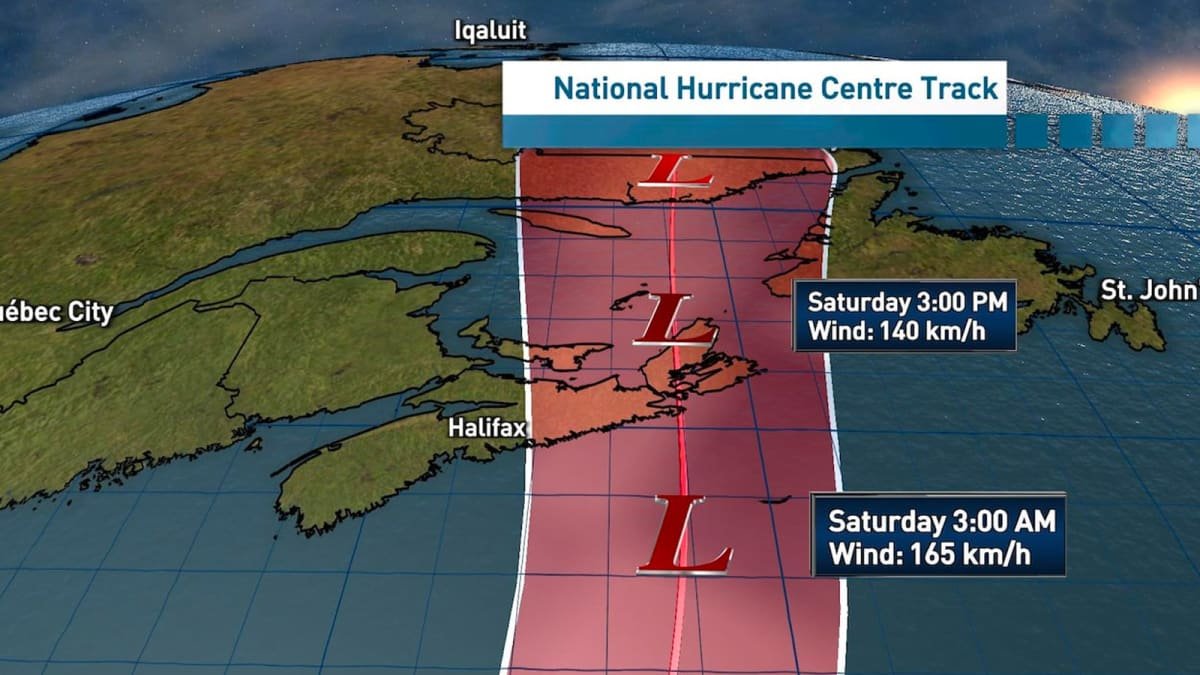
Chaotic and brutal weather has lashed the east coast of North America over the past few weeks. For many, the hardship really begins when the storm settles as cut powerlines can make communication and food management a significant challenge.
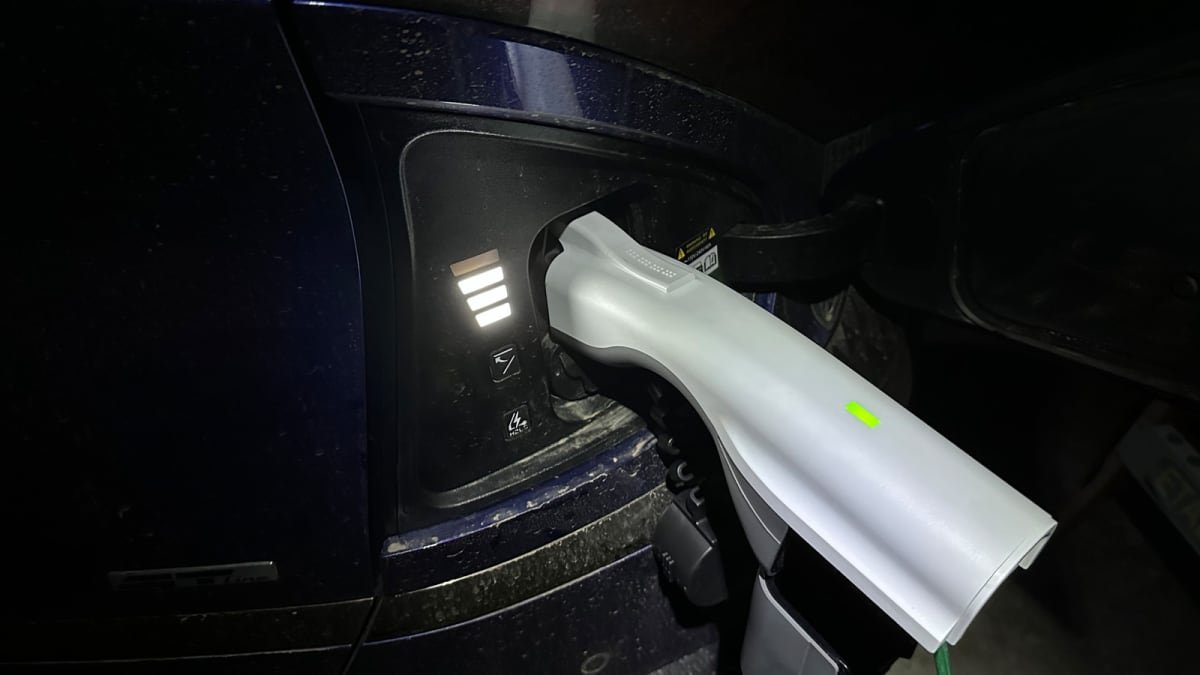
Powered by a 77.4kWh battery, the EV6 can output a maximum of 3.6kW via its vehicle-to-load (V2L) function. This affords the Kia to deliver power at maximum output for a total 21.5 hours.
But as described, in this scenario, the maximum output was never required.
The Kia owner, known on Reddit by username mslaven, noted that once a fridge, freezer, a few lamps and phone chargers were powered up, the draw was around 300Wh (0.3kWh).
“All in all I’m pulling about 10% battery per 24 hours. We power most things down at night so it’s just the fridges and freezer most of the time.”
Additionally, he was able to power a sump pump to help with cleanup, a hotplate to cook, and the all-important kettle to keep hot tea and coffee powering everyone’s energy and morale.
This isn’t the first time V2L technology – related to sister technologies vehicle-to-home (V2H) and vehicle-to-grid (V2G) – has been used in a crisis situation.
Nissan provided a fleet of first-generation Leafs as power support vehicles following Typhoon Roke in Japan in 2011.
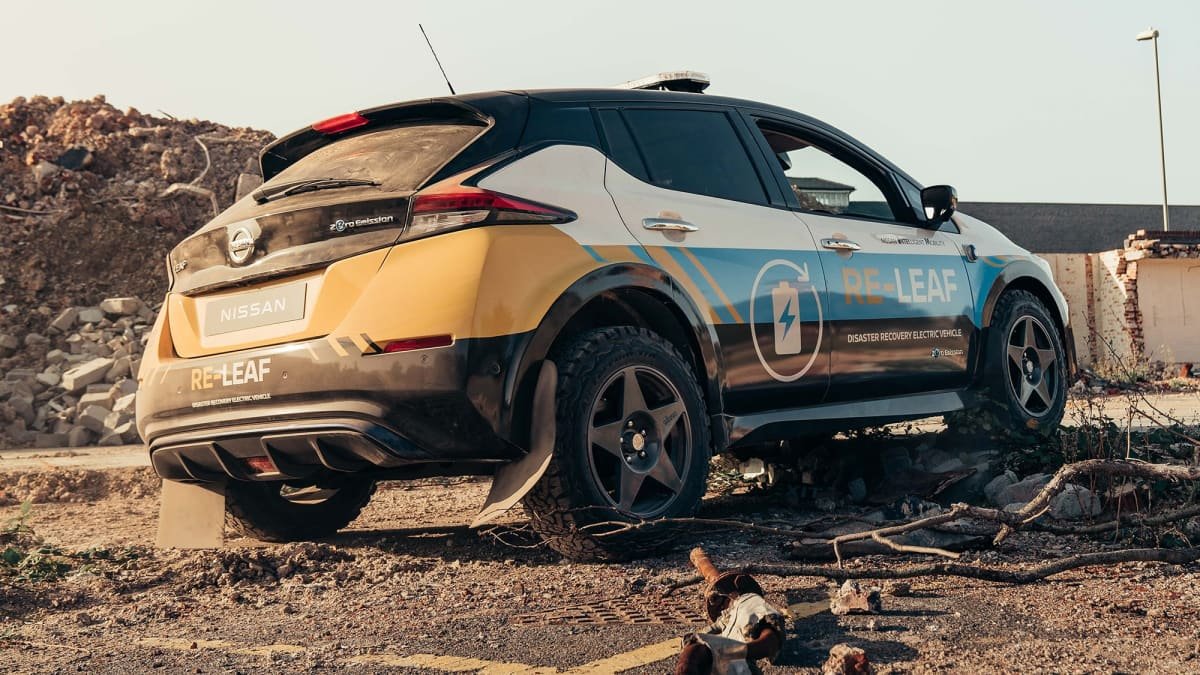
In 2018 Nissan established the Blue Switch program to better understand and develop V2G technology, and for 2020 showcased an emergency response concept car called the Re-Leaf, that gave the Leaf some all-terrain tyres, a drone, and key first-responder equipment to partner with the car’s 62kWh battery.
Read more about James Ward
[bsa_pro_ad_space id=15]