
[bsa_pro_ad_space id=14]
Tesla has dropped radar technology from new models coming to Australia, opting to power its autonomous driving systems with cameras only – despite the switch receiving scrutiny from US safety authorities.

 0
0
New Tesla cars coming to Australia will no longer be fitted with radar sensors for autonomous driving, replaced by a camera-only technology known as Tesla Vision – months after US road safety regulators launched in an investigation into the system’s performance.
Introduced in the US in May 2021, and fitted to all Australian Model 3s and Model Ys built from this month (June), Tesla Vision powers the car’s semi-autonomous Autopilot and in-development Full Self-Driving systems with a suite of eight cameras – ditching all radar sensors.
Despite most other brands deeming radar (and lidar) necessary for safe autonomous driving, Tesla argues it’s not necessary, with CEO Elon Musk saying last year (via Teslarati): “There’s no question in my mind that with a pure vision solution, we can make a car that is dramatically safer than the average person.
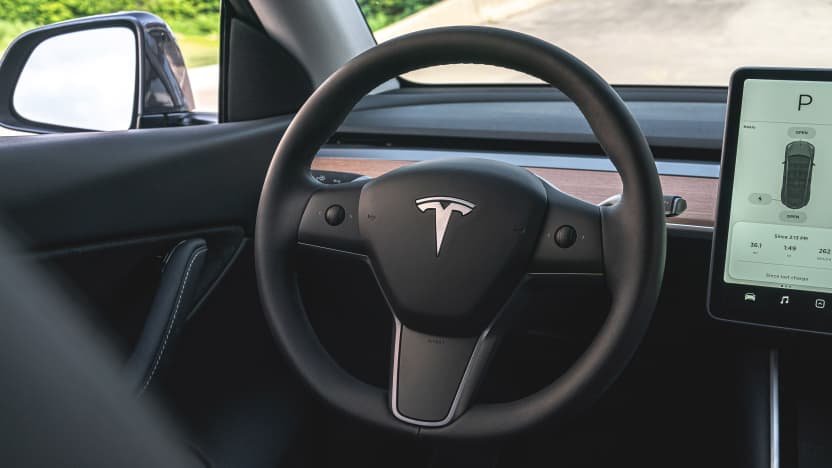
“When your vision works, it works better than the best human because it’s like having eight cameras, it’s like having eyes in the back of your head, beside your head, and has three eyes of different focal distances looking forward. This is — and processing it at a speed that is superhuman.”
The system will initially be limited in Australia, with an increased following distance, and a 140km/h limit on the ‘Autosteer’ lane following function (which regardless is above all Australian speed limits).
This limit will be removed – and a shorter following distance made available – in an over-the-air update at a later date, Tesla says.
Tesla’s move away from radar in Australia comes months after US safety regulators launched an investigation into 416,000 Tesla Model 3 and Model Y vehicles built in 2021 and 2022 – a timeframe which coincides with the rollout of Tesla Vision in that market.
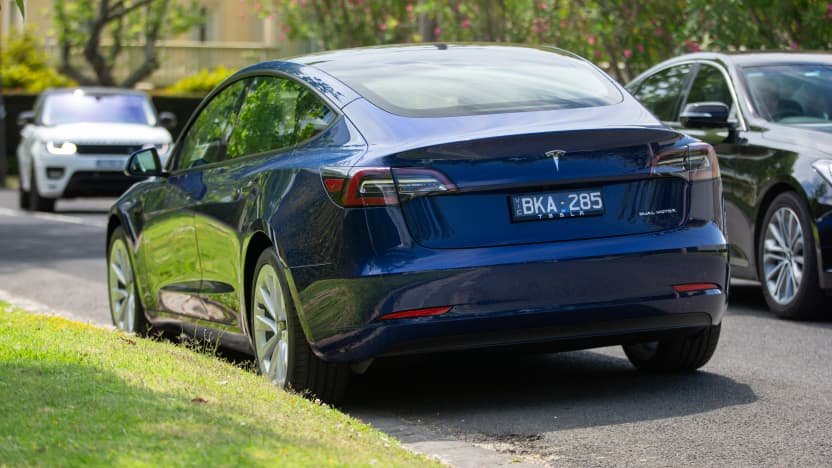
The safety investigation focuses on claims of what owners term “phantom braking”, where the vehicle’s autonomous emergency braking system perceives an obstacle ahead and slams the brakes, when in fact there was nothing to hit.
One Model 3 driver told Reuters “the car braked hard and decelerated from 80 mph [129km/h] to 69 mph [111km/h] in less than a second. The braking was so violent, my head snapped forward and I almost lost control of the car.”
Meanwhile, Tesla’s Full Self-Driving system continues to be a $10,100 option in Australia – even though the majority of its features aren’t currently available beyond an ongoing beta program in the US.
Cars have played a central role throughout Alex’s life, from flicking through car magazines as a young age, to growing up around performance vehicles in a car-loving family.
Read more about Alex Misoyannis 
[bsa_pro_ad_space id=15]