
[bsa_pro_ad_space id=14]
Just weeks after going on sale, the chip shortage has hit the new Mercedes-Benz C-Class, as adaptive suspension and rear-axle steering slip from the options list.

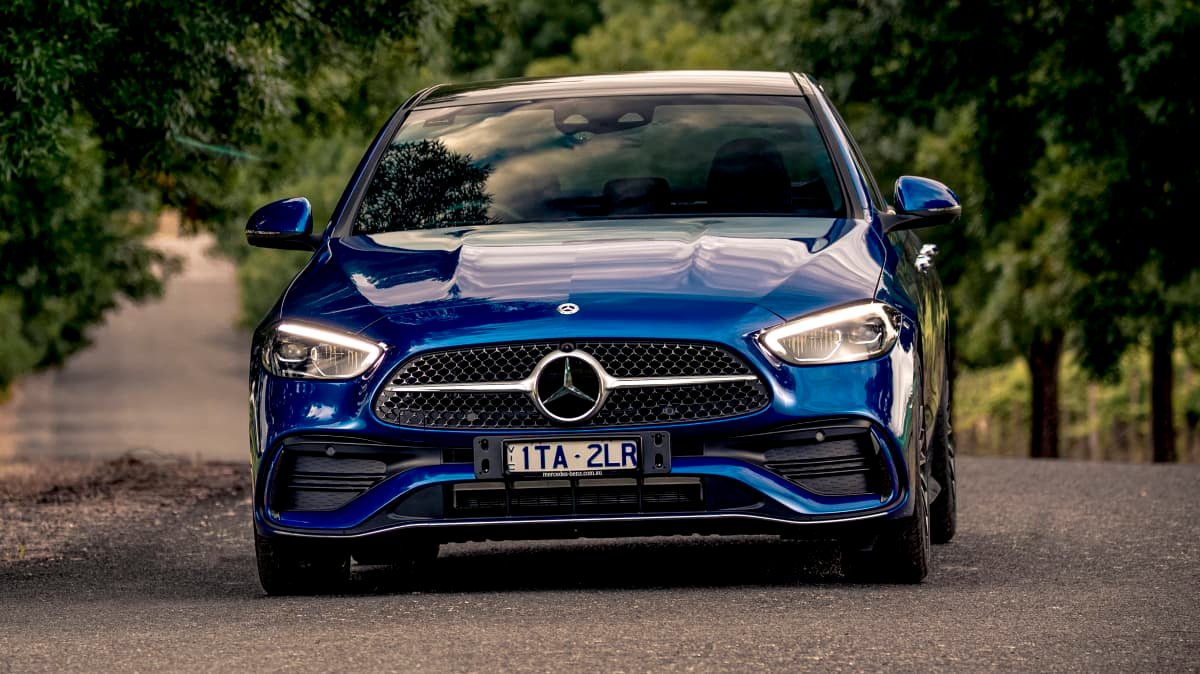
The global semiconductor shortage has claimed its latest victim, the 2022 Mercedes-Benz C-Class luxury sedan, which will temporarily be unavailable with the optional adaptive suspension or rear-wheel steering systems.
Bundled together as part of a $3400 Engineering Package, both adaptive suspension and rear-wheel steering have been temporarily cut from the options list for newly-built C-Class vehicles, as Mercedes-Benz Australia looks to keep production lines moving amid critical semiconductor (computer chip) supplies.
“Due to ongoing shortages of certain vehicle components containing semiconductors, the optional Engineering Package for the new C-Class is temporarily unavailable to order with new builds from the factory,” a Mercedes-Benz Australia spokesperson told Drive.
While no future vehicles will be built with the Engineering Package for the immediate future, a number of Australia-bound C-Class sedans have already been produced with rear steering and adaptive dampers.
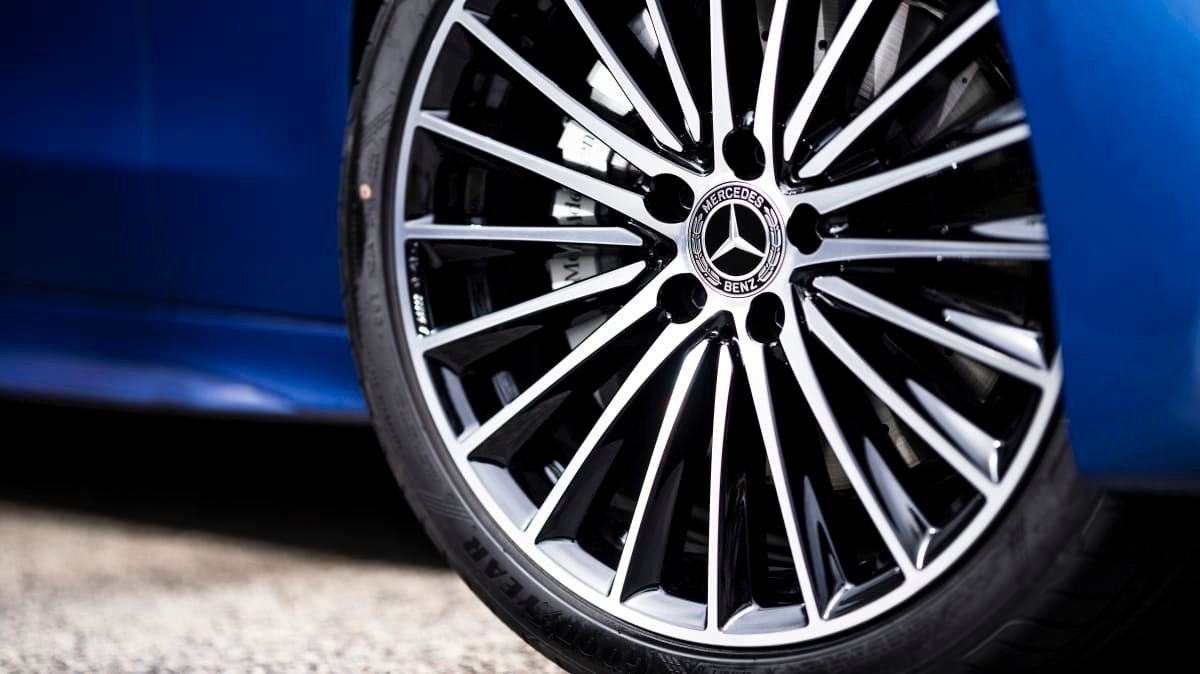
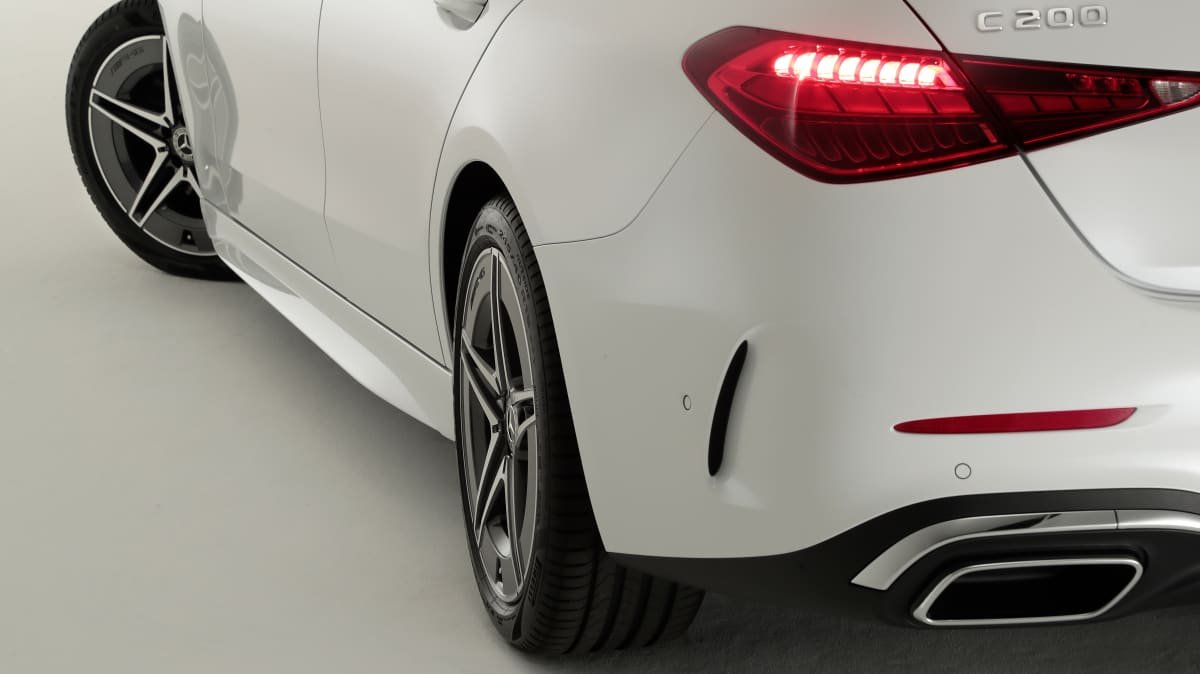
However, it’s believed these are bound for media evaluation and showroom display duties, rather than immediate customer deliveries. No customer has been able to order a vehicle from the factory with the Engineering Package box ticked, according to a Mercedes-Benz Australia spokesperson.
No timeline has been announced for either feature’s return, as the semiconductor shortage continues to wreak havoc on the global automotive industry.
“There are vehicles on the ground and arriving in Australia fitted with the optional package, and availability will resume for new orders as soon as supply of the affected components is restored. The Engineering Package for C-Class includes rear-axle steering and adaptive damping suspension,” the spokesperson added.
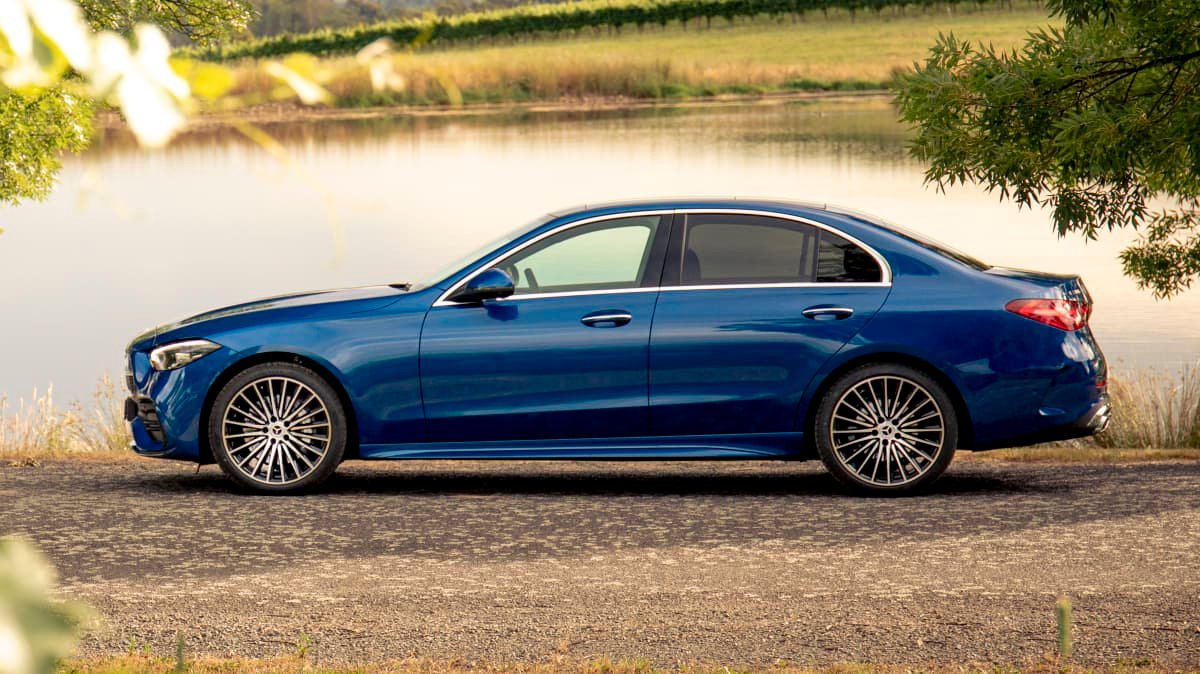
The C200 sedan starts from $78,900 before on-road costs, while the C300 is $90,400 before on-road costs – with both figures non-negotiable, following Mercedes-Benz Australia’s switch to an agency business model from January 1.
This isn’t the first time Mercedes-Benz has temporarily removed features to navigate the semiconductor shortage, as in mid-2021 it omitted the ‘Pre-Safe’ proactive occupant safety system from a number of its vehicle lines.
Cars have played a central role throughout Alex’s life, from flicking through car magazines as a young age, to growing up around performance vehicles in a car-loving family.
Read more about Alex Misoyannis
[bsa_pro_ad_space id=15]