
[bsa_pro_ad_space id=14]
Petrol and diesel Volkswagens are set to become a thing of the past in Europe by 2035 – though a similar ruling in Australia remains a while away.
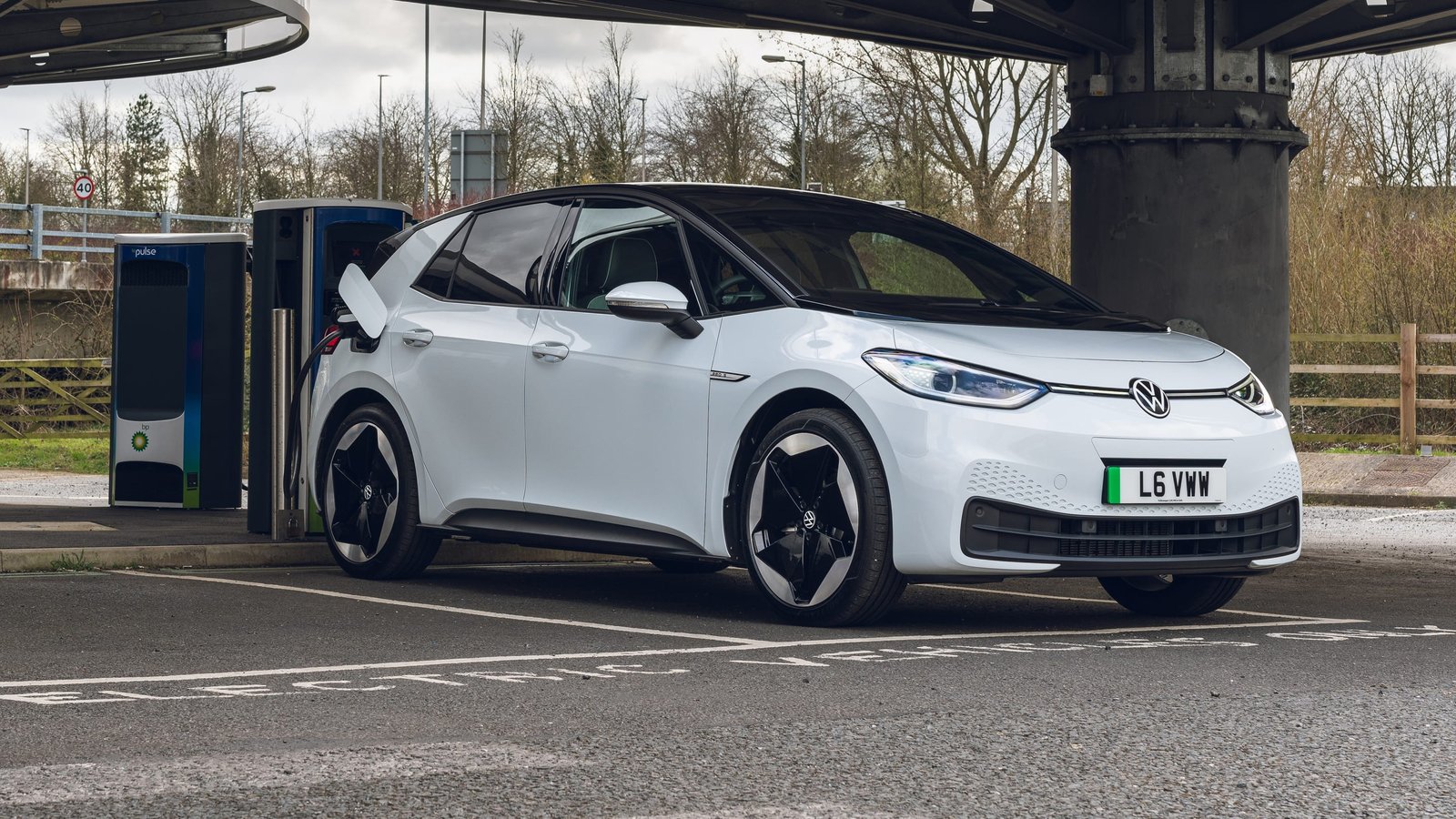
Volkswagen will cease sales of internal combustion-engined vehicles in Europe by 2035, an executive of the marque has confirmed – though petrol and diesel sales in other markets will continue for a “good deal longer”, despite positive signs from Volkswagen Australia that new fuel quality legislation will pave the way for more plug-in vehicles Down Under.
Speaking to German newspaper Muenchner Merkur, Volkswagen passenger cars sales boss Klaus Zellmer confirmed the car maker’s plans to end petrol and diesel sales by 2035 – though only in Europe, with other markets to trail behind.
“In Europe, we will exit the business with internal combustion vehicles between 2033 and 2035, [but] in the United States and China somewhat later,” said Zellmer.
“In South America and Africa, it will take a good deal longer due to the fact that the political and infrastructure framework conditions are still missing,” the executive added.
While no specific reference was made to Australia, a developing electric-vehicle charging network and lack of emissions targets locally – which would fall under “missing political and infrastructure framework” – means our market could be classified as one of the last to make the switch to electric-only sales.
MORE: Audi to phase out combustion engines outside of China by 2033, last all-new combustion model to debut in 2025
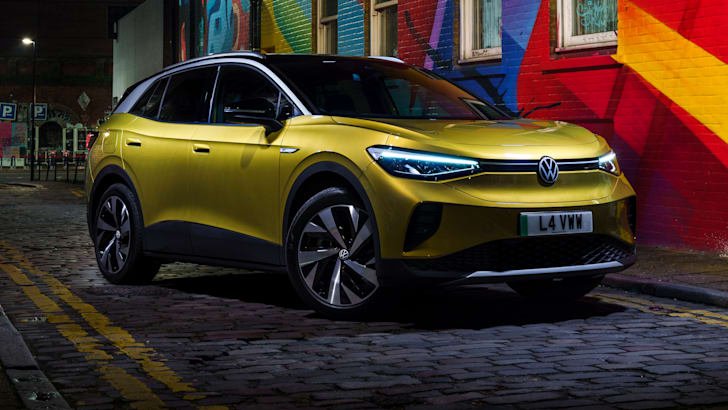
Volkswagen’s European deadline aligns with its previously-announced target for all-electric vehicles to account for 70 per cent of its sales on the Continent, with Zellmer adding that full carbon neutrality is planned to occur by 2050 – though it’s not clear whether the latter goal is Europe-specific, or instead applies globally.
Automotive News Europe reports the European Union (EU) will soon announce plans for a 60 per cent reduction in vehicle emissions by 2030 (versus the 40 per cent reduction target currently in place), ahead of a 100 per cent emissions cut by 2035 – aligning with Volkswagen’s own targets, and essentially outlawing combustion-engined vehicles by mid-next decade.
“We are already prepared for a possible tightening of the requirements and are even going a long way beyond that,” Zellmer said in the Muenchner Merkur interview over the weekend.
While European buyers might not be offered a combustion-powered Volkswagen beyond 2035, it could be some time before something similar is seen in Australia – though recently-announced fuel quality upgrades (to match the petrol offered in Europe) could see more efficient petrol-only and plug-in hybrid vehicles introduced locally sooner than expected.
MORE: Automotive industry welcomes cleaner petrol, paves the way for fuel miser cars
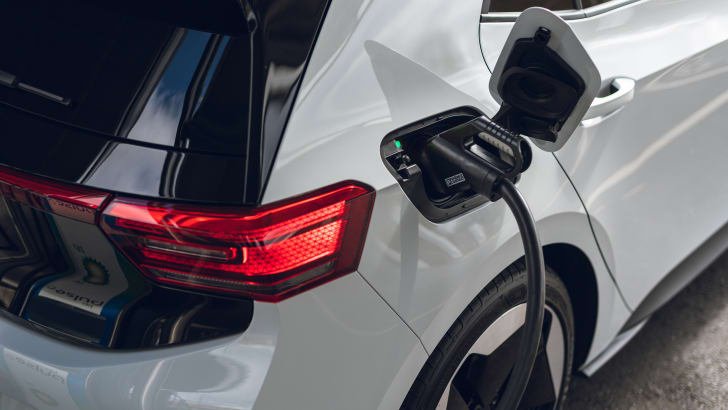
“All [Volkswagen Group Australia] petrol vehicles meet Euro 6 [emissions rules], but availability of first-world standard petrol will enable access to yet more sophisticated engine technology … [including those that] require better quality petrol than even what currently passes for ‘premium’ unleaded in Australia,” a spokesperson for Volkswagen and Skoda’s Australia operations told CarAdvice.
These include plug-in hybrid vehicles, the first of which from Volkswagen Group Australia will reach local shores as early as next year: the Cupra Leon and Formentor e-Hybrids (bottom) due by July 2022, and the Volkswagen Touareg R hybrid SUV that’s “in discussion” for a local launch between 2022 and 2024.
“Harmonisation with the best-practice automotive regulations of Europe would greatly enhance the prospects of Australian customers getting the latest and best vehicles – [both] conventional and electric. Failing that, all brands will benefit from 10ppm petrol – even those that choose to sell here engine technology that does not pass muster in other markets.”
However, the spokesperson noted that new electric-vehicle (EV) taxes (including those now offered in Victoria) will see zero-emissions vehicles disadvantaged versus other markets – with plug-in hybrids taxed twice, attracting both fuel excise and EV road-user charges, the latter not incurred by non-plug-in ‘conventional’ hybrid vehicles.
Volkswagen to axe combustion engines in Europe by 2035; Australian arm opens door to more hybrid and electric vehicles
[bsa_pro_ad_space id=15]