
[bsa_pro_ad_space id=14]
Though it likely wasn’t Mazda’s intention when it unveiled the RX500 concept car at the 17th Tokyo Motor Show in the fall of 1970, the radically angular yet streamlined car became a world favorite — as a Matchbox toy.
The RX500 was created by Mazda to showcase its rotary engine and the latest developments in safety technology. The car also celebrated Mazda’s 50th anniversary.
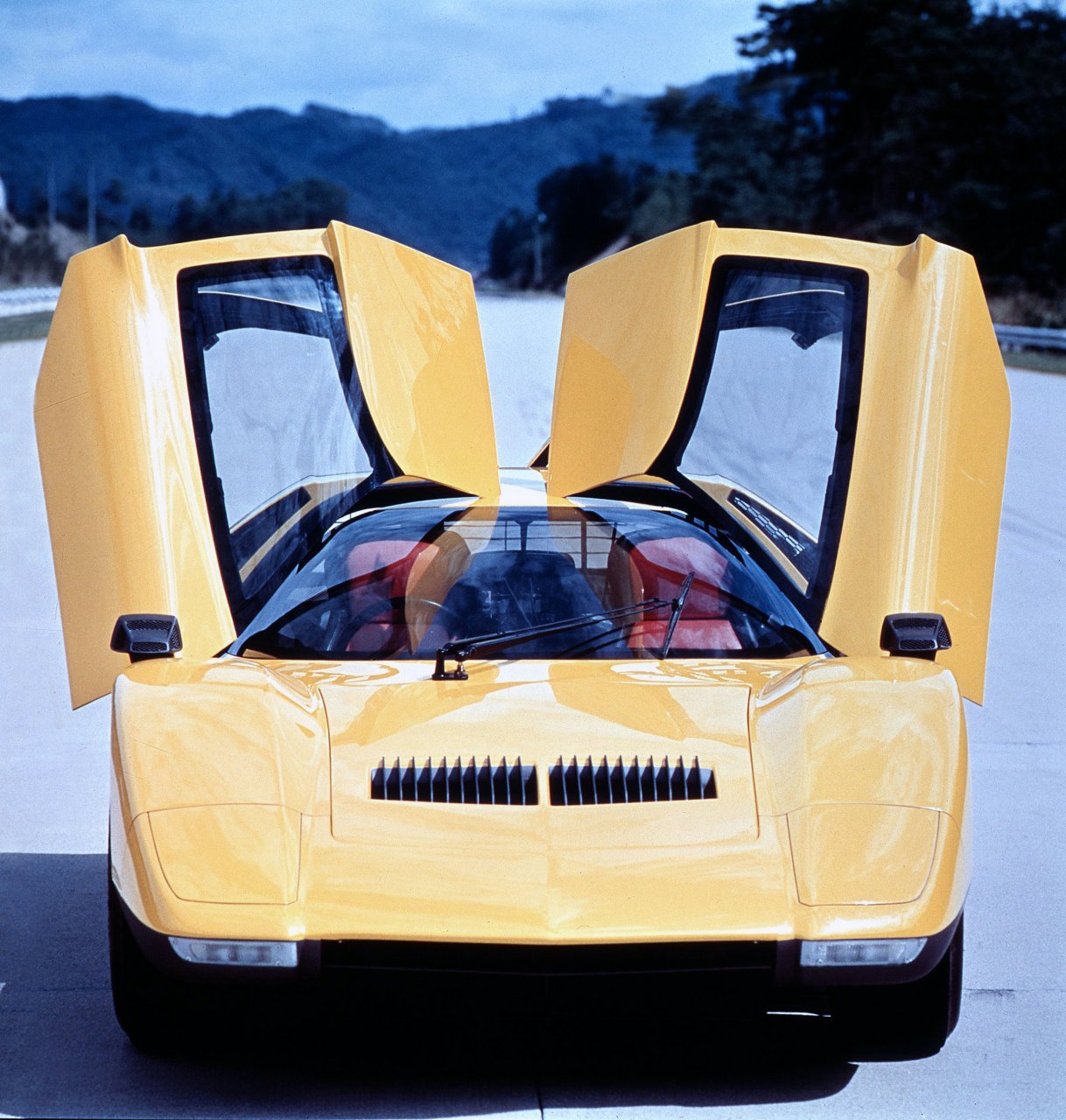
Mazda’s Cosmo sports car, Luce executive-class sedan and R100 compact sedan also offered rotary power, but the RX500 looked like something else altogether, a glimpse into the future. The car was wedge shaped and had butterfly doors. Not only that, but to access its 250-horsepower, 15,000-rpm 10A rotary engine, you opened a gullwing-style set of engine covers.
Among its innovative safety features were rear lights that changed colors depending on whether the car was accelerating, cruising or braking.
-
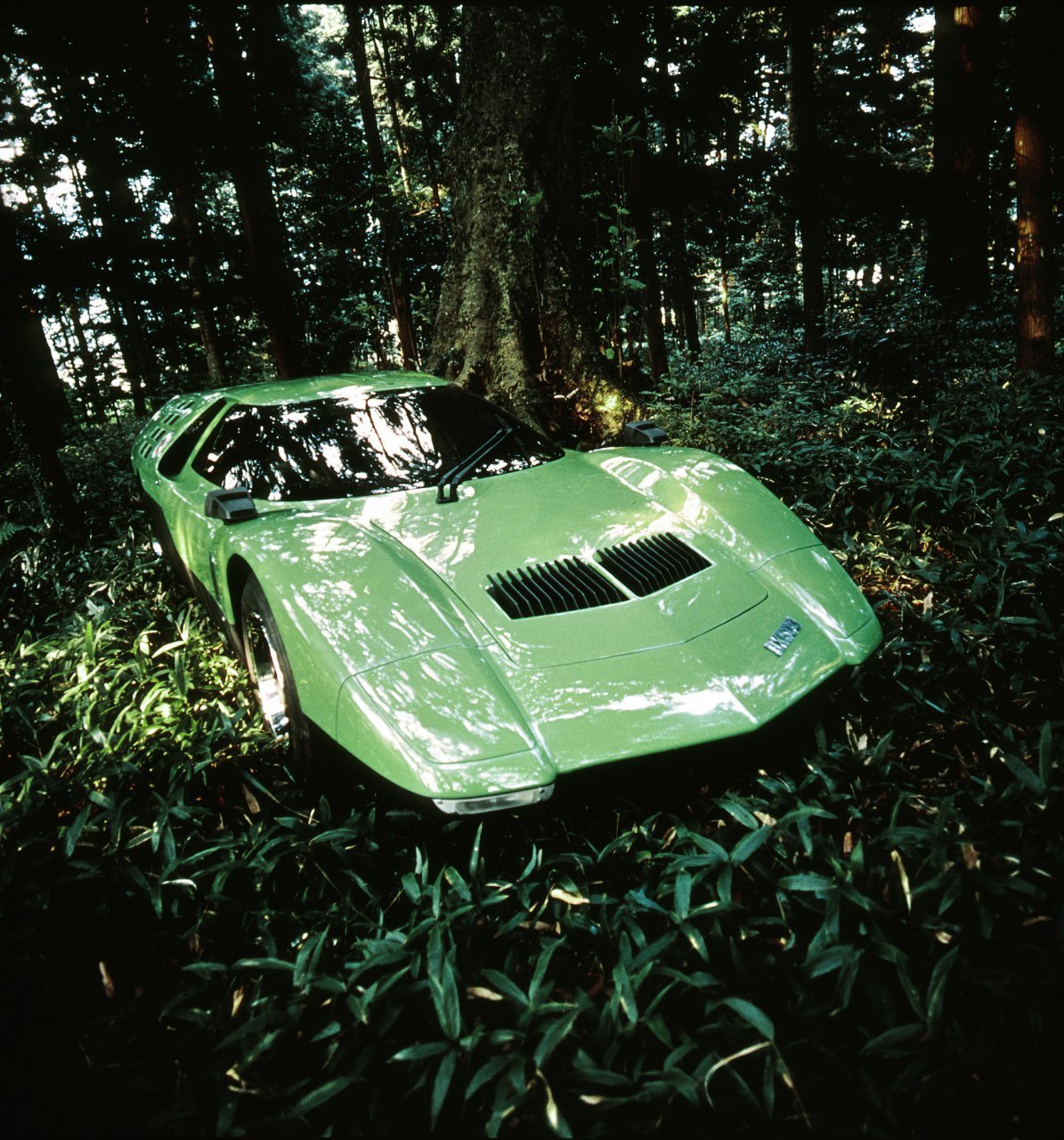
Car originally was green -
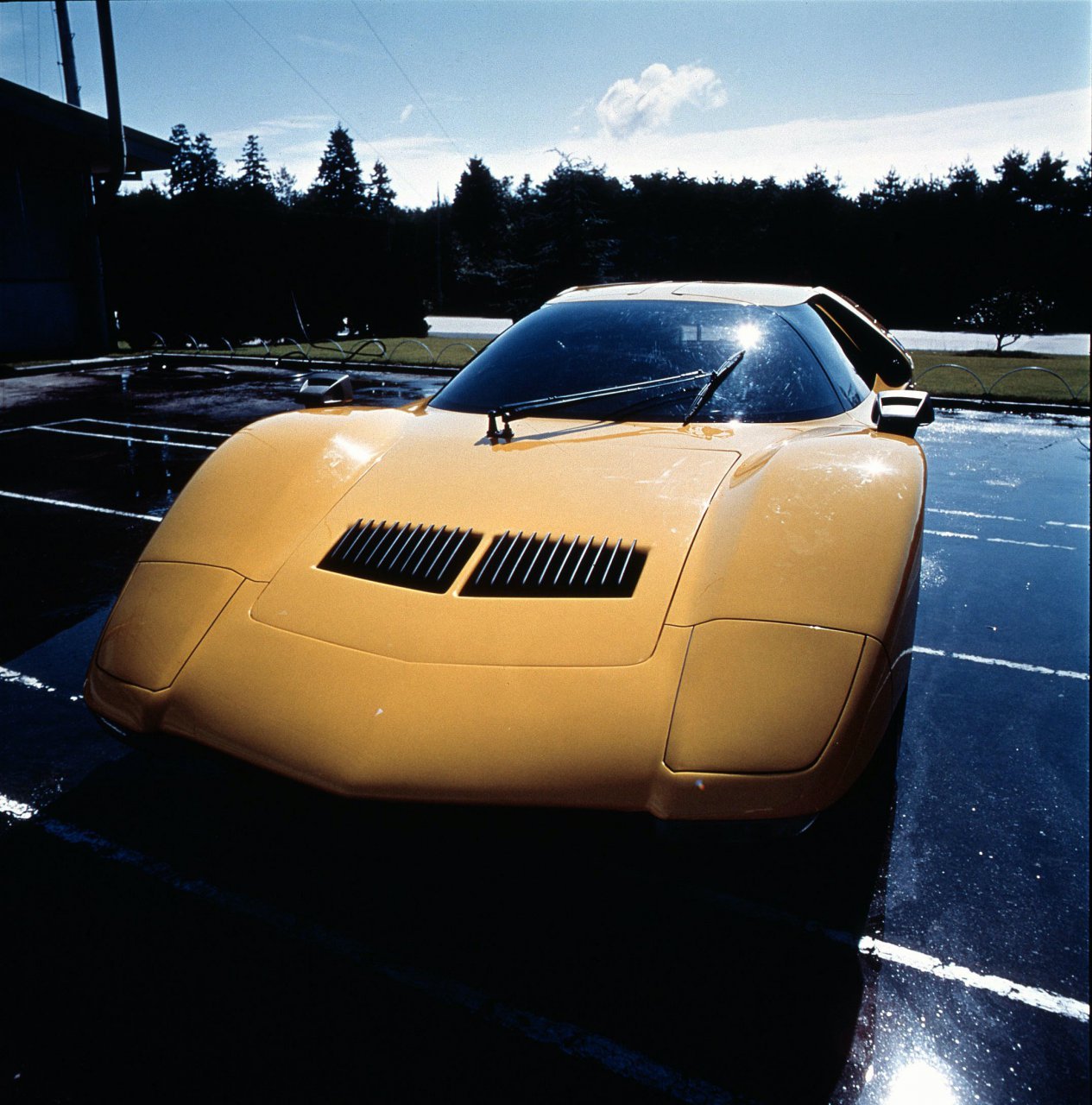
But was repainted yellow for Tokyo show
The design was so popular so quickly that British toymaker Matchbox gained the right to reproduce the car in 1:59 scale.
“Famous British toy car makers Matchbox recognized the potential of the RX500 and included it in its ‘Superfast program’ — a response to the 1968 introduction of Hot Wheels by Mattel, which featured thin axles and new wheels that made them faster and more fun to play with,” Mazda noted in a recent news release.
“Why did Matchbox decide to include this one-off Japanese supercar concept in its portfolio?” Mazda continued. “Matchbox’s largest sales market at the time was the United States and Matchbox was looking for futuristic fantasy and concept cars that would appeal to children in America.
“The RX500 perfectly matched these requirements, and with a lot of interest in Mazda and the rotary engine in Europe as well, it was no wonder that the orange Matchbox RX500, introduced in 1971 as the MB66, immediately became a global bestseller”
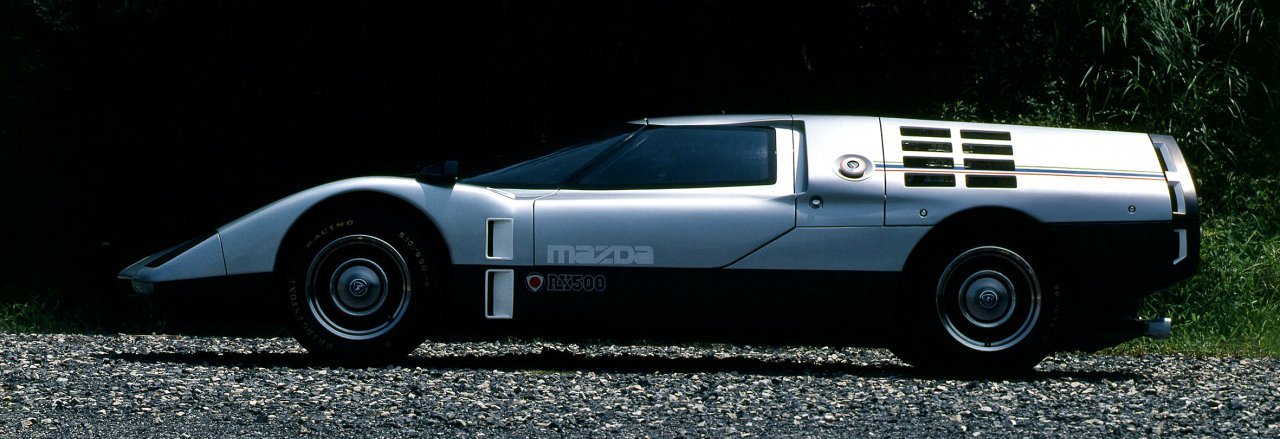
Mazda said the inspiration for the RX500 was to develop a prototype vehicle to research the behavior of fiberglass-bodied vehicles and driving dynamics at speed in excess of 125 mph. The program began in 1968 under the codename X810.
“The idea was to investigate the harmony between people and speed in a future society, based on possible future intercity traffic scenarios,” Mazda reported in its news release. “An experimental vehicle was required – one with a mid-engine, low air resistance and high downforce and, at the same time, the smoothness of a rotary engine.
“The RX500 was also considered as a potential successor to the Cosmo Sport 110 S, Mazda’s flagship car at the time.
“A carefully selected team produced various models and studied their aerodynamic drag in the wind tunnel. Contrary to the original plan of building a coupe, designer Shigenori Fukuda’s streamlined Shooting Brake model, which offered the lowest aerodynamic drag, was chosen.
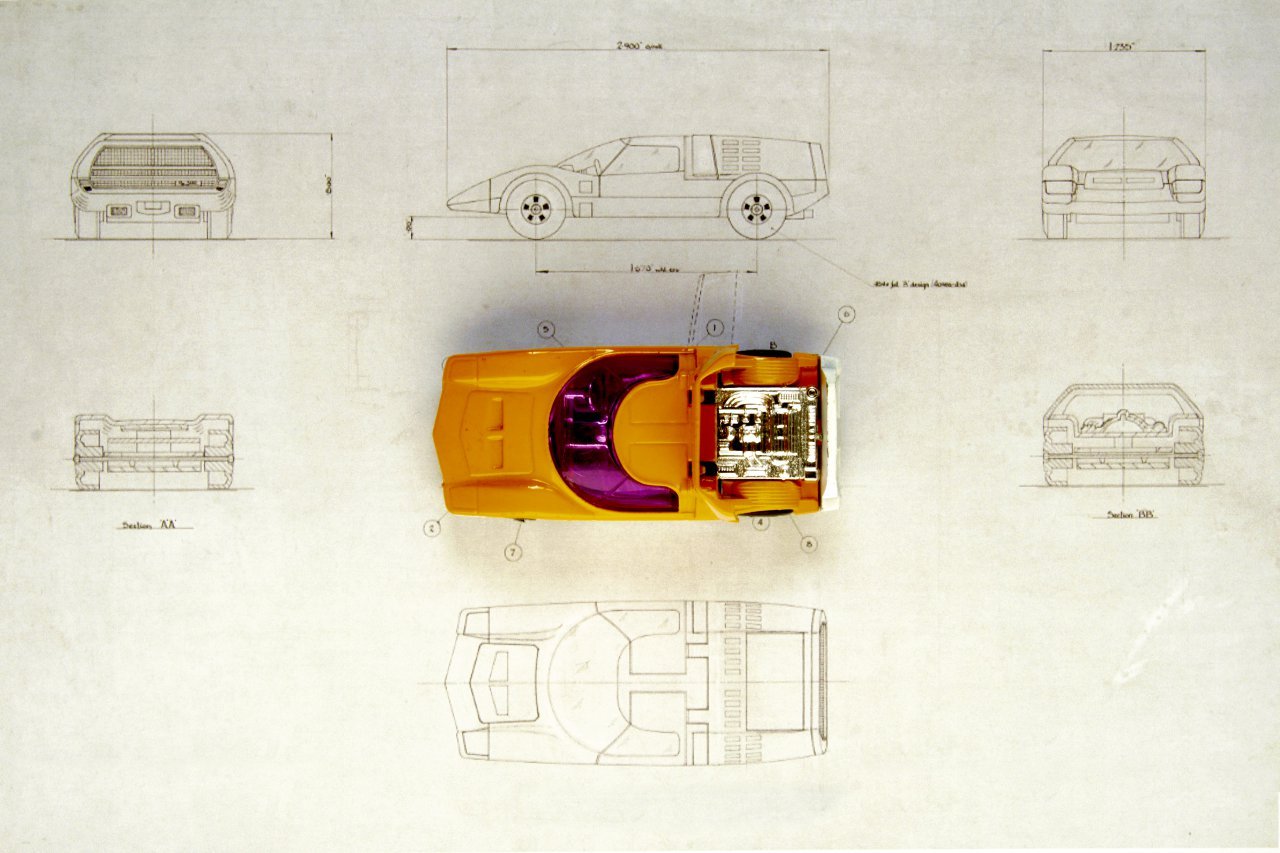
“Fukuda-san drew inspiration for the RX500’s design from the film 2001: A Space Odyssey, among other things,” Mazda noted. “The vehicle was to resemble a classic car as little as possible, so a wide variety of design elements from racing and aviation found their way into the RX500.”
Mazda said the most notable change was the rear section of the car, “evoking a mix between a spaceship and a jet fighter. “
Fukuda had worked at Mazda on vehicle designed with Bertone of Italy, but wanted some softer curves and contours rather than what he saw as monotonous straight lines.
Mazda also noted the car’s wrap-around windshield as a design element.
It pointed out that while the concept car had gullwing doors over the rotary engine, the toy version had a simply hatch that opened to expose the scale-version powerplant.
The concept had room inside for a driver and one passenger, with a wrap-around dashboard, AM/FM radio and shifter for the 4-speed transmission taken from the Luce R130 coupe.
With the 982cc rotary engine spinning out 250 horsepower and the car’s fiberglass-reinforced plastic body over a tube frame chassis, the concept weighed only 1,870 pounds.
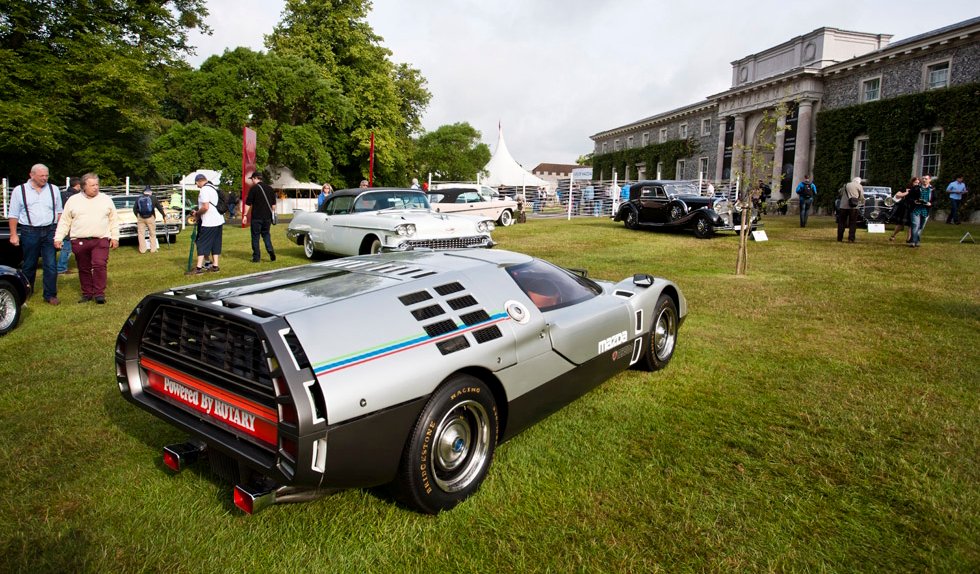
Although only one concept car was built, there are photographs showing it in various colors. The car was painted green, but changed to yellow to match all other 1970 Mazda concepts. After the Tokyo show, the car was redone in silver.
The RX500 was restored by Mazda in 2008 and is on display at the Numaji Transportation Museum in Hiroshima.
So why didn’t the RX500 reach production?
“The oil price crisis of 1973 dashed any hopes of production RX500s,” Mazda said, adding however, “The crisis did not affect the miniature edition of the RX500. After its launch, the Matchbox model remained on sale for over four years until it was reissued as a red Streaker model in 1975. Production was discontinued in 1976.
“Then, between 1978 and 1985, the RX500 was again available in other color versions in a number of local markets. Thus, the small, successful homage to the RX500 remained on toy shelves for a total of over a decade and has been sold countless times around the world.”
[bsa_pro_ad_space id=15]