
[bsa_pro_ad_space id=14]
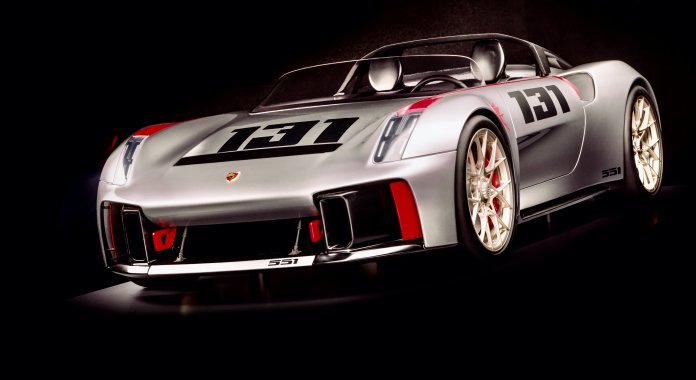
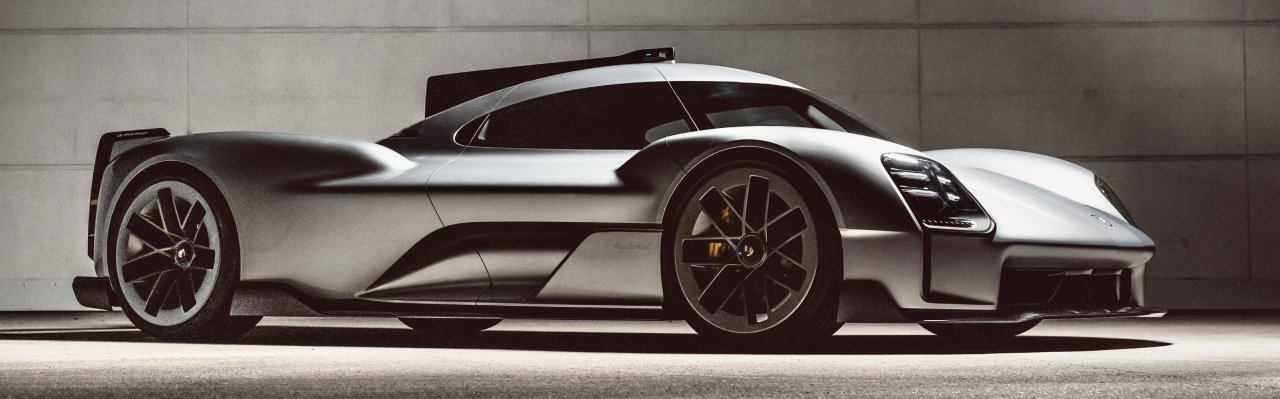
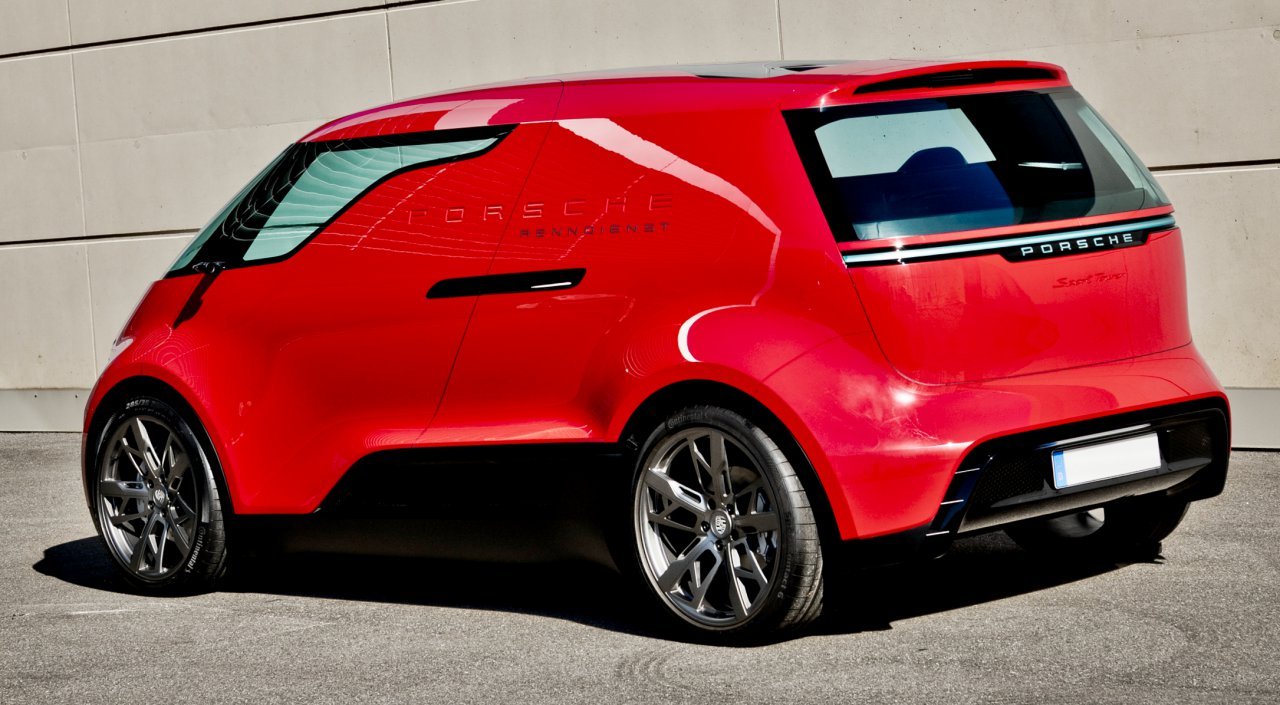
In what appears to be an unprecedented move, Porsche is offering a peek into its styling studio with the publication of Porsche Unseen, a book that shares designs for potential Porsche vehicles that never reached the road.
According to Porsche, the book covers design studies from 2005 to 2019, which “have until now been kept under lock and key.”
The book includes 15 vehicles, including such groupings as “spin-offs,” “little rebels” (an obvious tribute to James Dean and his “Little Bastard” 550 Spyder), “hyper cars” and “what’s next?”
“In this way, Porsche is offering an exclusive insight into its design process – from the very first drawing to the finished model ready for series production,” according to the book announcement.
“People all over the world love the timeless and innovative design of our sports cars,” the news release quotes Oliver Blume, chairman of the executive board at Porsche AG. “Visionary concept studies are the foundation of this success: they provide the pool of ideas for the Porsche design of tomorrow, and combine our strong tradition with trailblazing future technologies.”
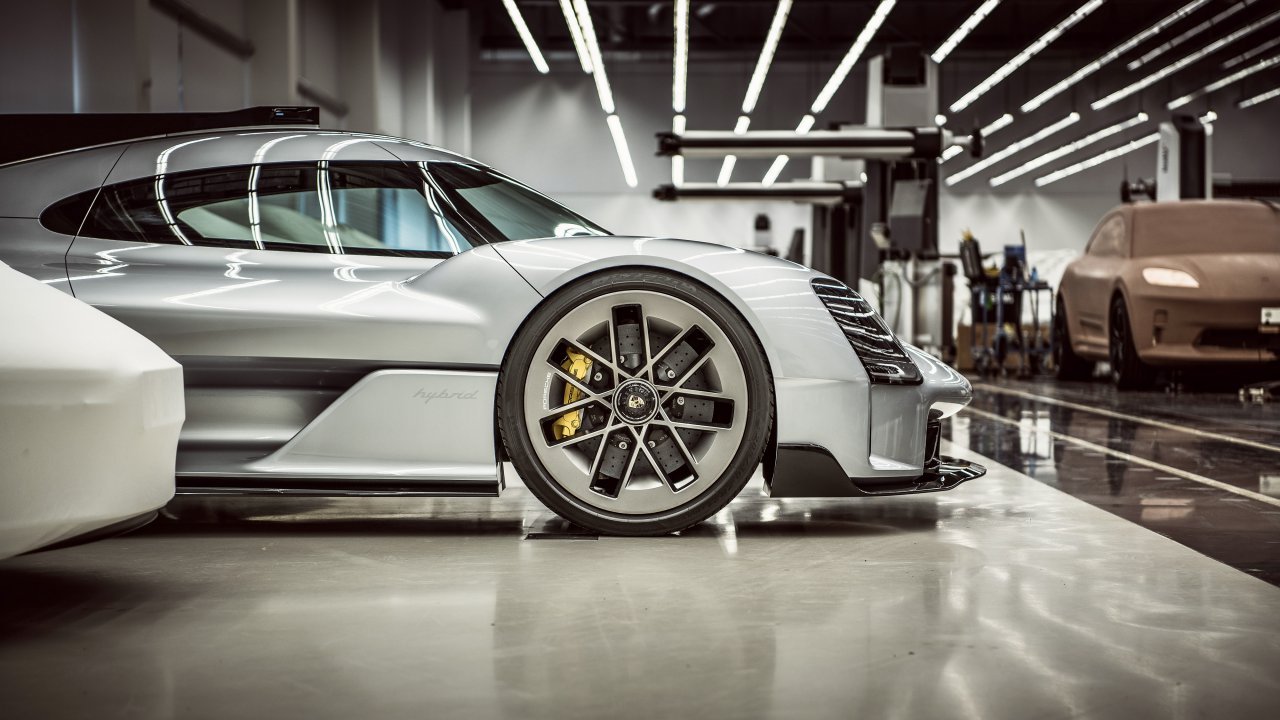
“Porsche intentionally has just a single design studio – located in the direct proximity of (the) development (department),” Michael Mauer, vice president of Style Porsche, is quoted. “Weissach is our epicenter.
“Instead of opening advanced design studios in the distant metropolises of North America and Asia, our designers come from all over the world to Porsche in Weissach in order to create the latest production sports cars and automotive visions at the heart of the brand. More than 120 designers, experts for interior, exterior, colors and materials, model builders, modelers and study engineers work in the Porsche Design Studio.
“When it comes to the visions we develop, it is not about bringing every car onto the road. Instead, it is more a question of establishing creative space and a relationship with the future.
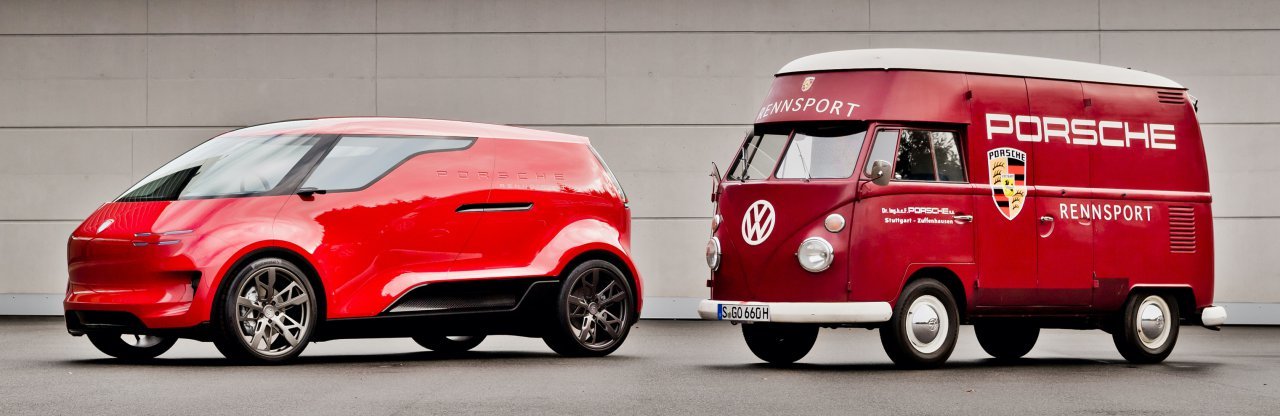
“There are two possibilities for continuing to develop as a brand: either you improve your products from the present, that is to say step-by-step. However, it is difficult to be really innovative in this process. Or you give free rein to your creativity. The idea is to let your thoughts jump to the day after tomorrow, and to then move back from there to tomorrow.”
The automaker suggests that its design process “starts with a sketch. This is visualized in the next step as a 3D model. As soon as an idea is to be developed further, small models are produced in a scale of 1:3, then followed by hard models in the scale 1:1.
“The virtual world is the first step, but you especially have to experience the unusual models in reality in order to understand whether a car has small, large or surprising proportions,” Mauer explains.
But while production models are produced after a variety of models are developed, “vision projects” focus on a single model, which the company says, “serves as a protagonist for the central idea.”
Production and vision vehicles thus contribute to the design language for future Porsche vehicles.
“On the one hand, this secures the innovative capability of future Porsche models and, on the other, also provides an evolutionary reference to the rich history of Porsche,” the company explains.
Porsche Unseen, spanning 328 pages, is published by the Delius Klausing publishing house. The book also is available through Amazon’s German website and at the Porsche Museum, where the models of some of the vehicles revealed in the book will be on display in 2021.
[bsa_pro_ad_space id=15]