
[bsa_pro_ad_space id=14]
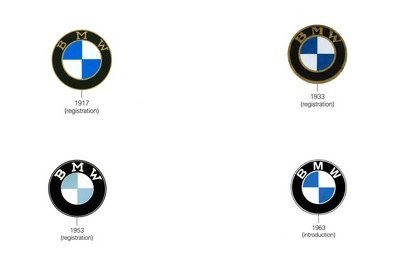
BMW is one of Germany’s best-well-known automakers and one of the world’s most valuable brands with a value of $25.6 billion as of 2017. Bavaria’s finest creator of luxury vehicles sold last year in excess of 2.1 million units, over 310,000 of these finding their customers in the U.S. In spite of the company’s sizeable footprint and large array of models on sale, as well as its history that dates back to the beginning of the 20th century, many still aren’t sure of the history behind BMW’s ubiquitous logo. Along with the kidney grilles, the circular badge that features a black outline and a central area divided into four sections, two white and two blue, is part of any Bimmer’s identity. But what does it represent? Is it a nod to BMW’s aeronautical origins or does it simply have to do with the flag of the region of Bavaria?
The question we posed above is simple, about as simple as they get in the auto industry. Or so you’d think. In fact, many hardcore BMW fans still debate to this day on the backstory of this seemingly basic-looking badge that has remained largely unchanged since 1917. While many stories have been written about how BMW settled for the logo you see to this day on its cars, the debate continues, so we thought we’d give it a stab ourselves at putting the dispute to rest. Read on to find out what really hides behind the emblem.
[bsa_pro_ad_space id=15]