
[bsa_pro_ad_space id=14]
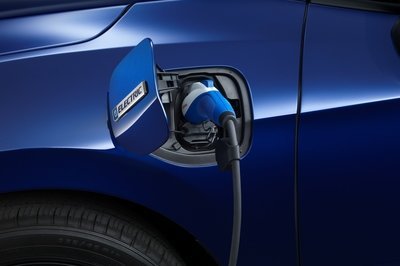
It does not seem that the electric car trend will perish. Sure, the economy of it does seem sketchy, and I do not believe that manufacturers would invest as much in it without generous government subsidies and incentives, but electric cars are on the roads and they are here to stay. However, the single most challenging hurdle of the further development of electric vehicles is battery technology. Since the very beginning in the 19th century, manufacturers had problems storing, or actually, creating electrons. That did not stop them from trying to create an electric car. After all, in the year 1900, 38 percent of all vehicles on American roads were electric, 40 percent steam-powered, and only 22 percent ran on gasoline.
I am not making this up –
the U.S. Dept. of Energy reported that “by 1900, electric cars were at their heyday, accounting for around a third of all vehicles on the road. During the next 10 years, they continued to show strong sales.”
More than 100 years of development dramatically changed battery technology. Health hazardous batteries from the first electric vehicles have evolved into a state of the art lithium-ion and nickel-metal hydride batteries, but even to this day, they do not seem to be able to serve as a replacement for gasoline and diesel.
So, what new battery solutions will shape our future?
[bsa_pro_ad_space id=15]